Brazil is the kind of country that feels impossible to summarize in a single sentence. It’s vast, wildly diverse, bursting with culture, and filled with natural wonders that shift from rainforest to wetlands to tropical coastline in a single trip. But beyond the famous postcards—Carnaval, Copacabana, Christ the Redeemer—Brazil hides countless fascinating details that most people don’t realize.
In this SEO-optimized guide, you’ll discover 10 truly interesting facts about Brazil, from its jaw-dropping biodiversity to its surprising history, languages, foods, festivals, and geographic superlatives. Whether you’re planning a trip, writing a travel itinerary, or just curious, these facts will give you a deeper appreciation of the country.
Quick Snapshot: Brazil at a Glance
- Official name: Federative Republic of Brazil
- Continent: South America
- Capital: Brasília
- Language: Portuguese
- Currency: Brazilian Real (BRL)
- Time zones: Multiple (it’s huge!)
- Known for: Amazon Rainforest, Carnaval, football, samba, beaches, biodiversity, and cultural diversity
1) Brazil Is the Largest Country in South America (and One of the Biggest on Earth)
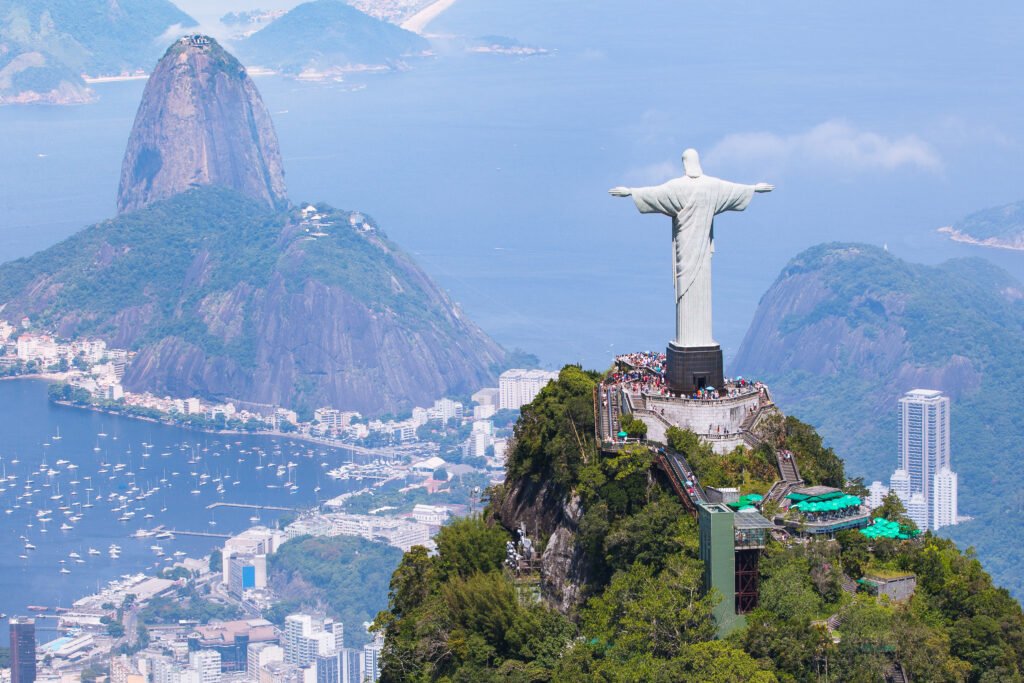
Brazil isn’t just big—it’s massive. It covers nearly half of South America, stretching across more than one time zone and bordering almost every country on the continent (the only exceptions are Chile and Ecuador). This size is one reason Brazil feels like multiple countries in one.
Why this matters for travelers
Because of Brazil’s scale, you’ll notice dramatic changes as you move around:
- Climate shifts (tropical rainforest to semi-arid regions)
- Food changes (Amazonian fish dishes to southern barbecue traditions)
- Culture and accents vary widely
Pro travel tip: Don’t underestimate distances. A flight between major Brazilian cities can be as long as flying between countries elsewhere.
2) The Amazon Rainforest Isn’t Just in Brazil—But Brazil Holds the Biggest Share
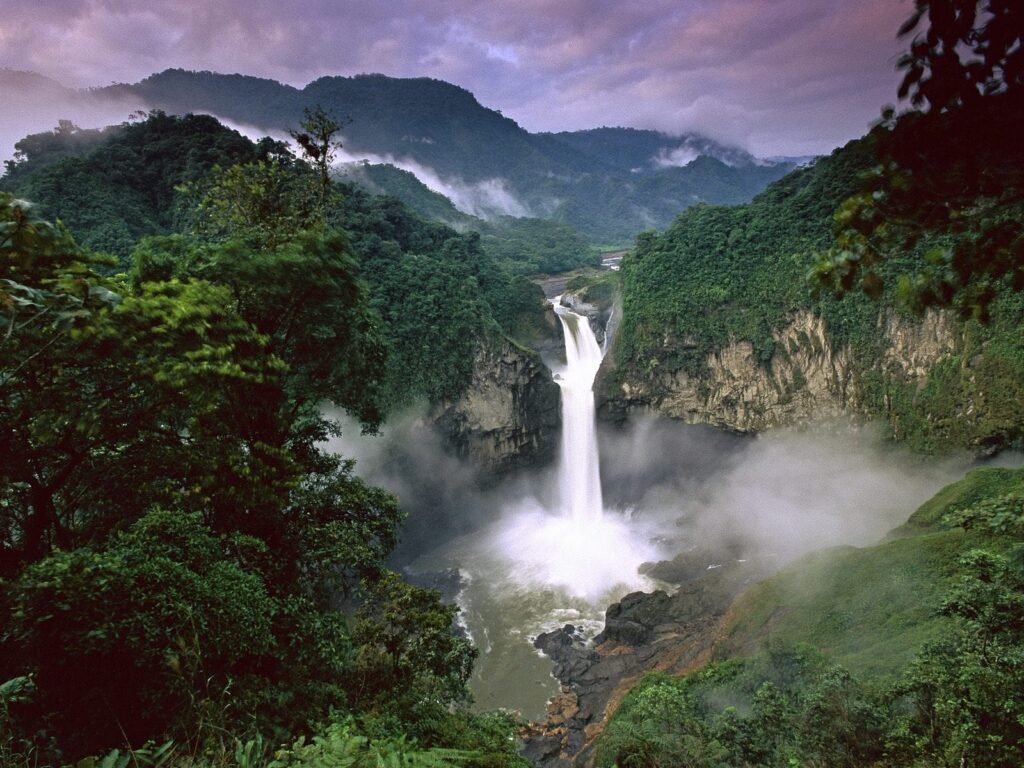
When people say “the Amazon,” they often imagine one endless jungle. In reality, the Amazon Rainforest spreads across several countries—but Brazil contains the largest portion. This makes Brazil central to one of the planet’s most important ecosystems.
Why the Amazon is globally important
- It’s one of the world’s largest and most complex ecosystems
- It’s home to millions of species (many still undiscovered)
- It influences rainfall patterns across South America
Unique Amazon experiences in Brazil
- River cruises near Manaus
- Wildlife spotting (pink river dolphins, sloths, macaws)
- Indigenous cultural experiences (when done ethically with reputable guides)
- Jungle lodges and canopy walks
Travel safety note: The Amazon is best explored with certified operators—don’t attempt remote routes without guidance.
3) Brazil Has One of the Greatest Biodiversity Levels on the Planet
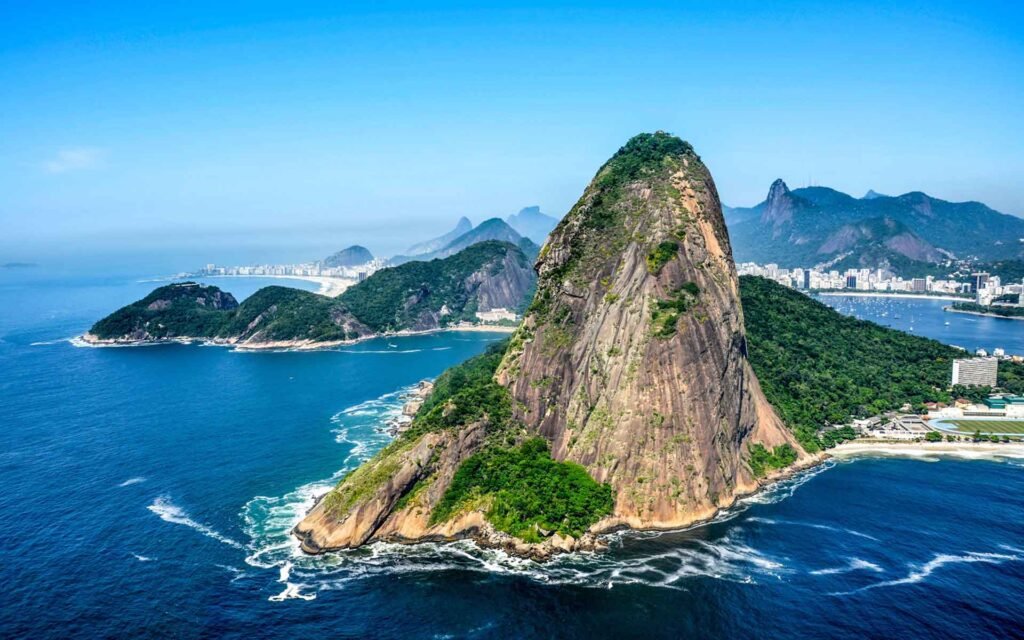
Brazil is considered a “megadiverse” country—meaning it holds an extraordinary share of Earth’s species. That biodiversity isn’t just in the Amazon, either.
Brazil’s major biodiversity hotspots
- Amazon Rainforest: unmatched scale and species richness
- Pantanal: arguably the best wildlife viewing in South America
- Atlantic Forest (Mata Atlântica): one of the most threatened, yet richly diverse forests
- Cerrado: tropical savanna with unique species and landscapes
- Caatinga: semi-arid biome found nowhere else
What you might see (depending on where you go)
- Jaguars (Pantanal is famous for sightings)
- Capybaras (the world’s largest rodent—oddly cute!)
- Toucans, macaws, and countless tropical birds
- Sea turtles on parts of the coast
- Exotic orchids and medicinal plants
If you love nature: Brazil can easily become a “repeat destination” because the ecosystems are so different.
4) Brazil Speaks Portuguese (Not Spanish) — and That’s a Big Cultural Clue
Many visitors assume Brazil speaks Spanish because it’s in South America. But Brazil’s official language is Portuguese, which comes from its history as a Portuguese colony.
Why Portuguese shapes Brazil’s identity
- It influences music lyrics, slang, humor, and pop culture
- Brazilian Portuguese has its own rhythm, pronunciation, and vocabulary
- It creates a cultural distinction from neighboring countries
Quick beginner phrases (Brazilian Portuguese)
- Olá (Hello)
- Por favor (Please)
- Obrigado/Obrigada (Thank you — male/female speaker)
- Quanto custa? (How much does it cost?)
- Tudo bem? (All good?/How are you?)
Tip: Even a few words can unlock warmer interactions—Brazilians often appreciate the effort.
5) The Capital City Was Built from Scratch (and It’s a Modernist Masterpiece)
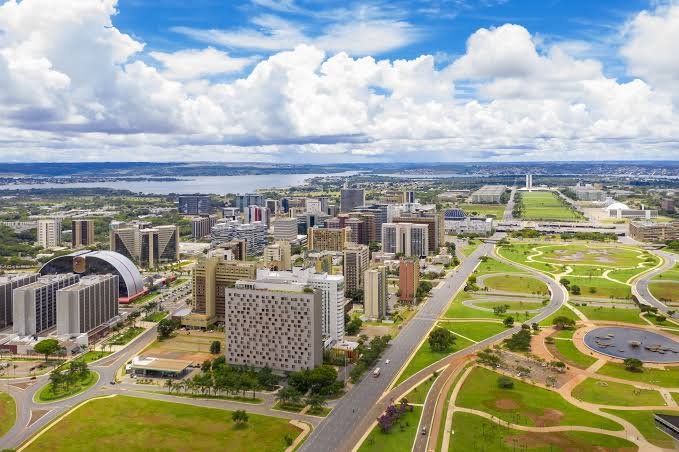
Brazil’s capital isn’t Rio de Janeiro or São Paulo—it’s Brasília, and it’s one of the most interesting planned cities in the world.
Brasília was designed and constructed in the 20th century to help develop Brazil’s interior. Its urban plan is famous for modernist architecture and bold city design.
What makes Brasília unique
- Iconic modernist buildings
- Wide avenues and symmetrical planning
- A city that looks futuristic compared to older coastal cities
- UNESCO World Heritage recognition (often mentioned in travel architecture circles)
For architecture lovers: Brasília is a must-see. It feels like walking through a living design concept.
6) Brazil Has Some of the World’s Most Famous Waterfalls—And They’re Absolutely Unreal
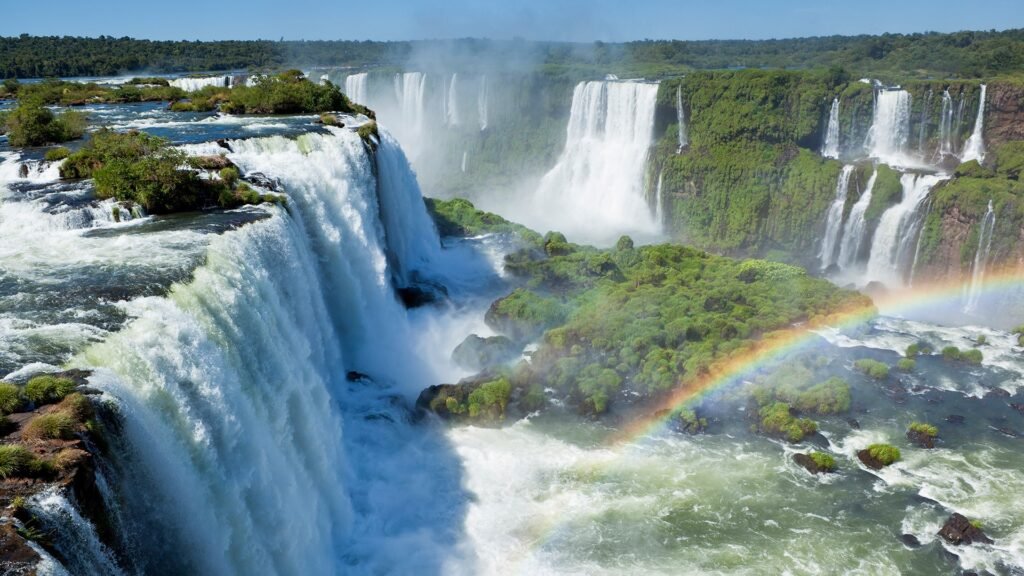
If you’ve heard of Iguazu Falls, you already know Brazil has major waterfall bragging rights. While the waterfall system is shared with Argentina, Brazil offers some of the most panoramic views.
Why Iguazu is special
- It’s made up of hundreds of individual falls
- Misty rainforest atmosphere with rainbows on sunny days
- Powerful roar you can hear before you see it
- Well-developed trails and viewpoints on the Brazilian side
Best experience: Combine both sides (Brazil + Argentina) if you can. Each offers a different perspective.
7) Carnaval Isn’t Just a Party—It’s an Enormous Cultural Engine

Carnaval is famous for glitter, parades, and samba. But it’s also deeply tied to Brazilian identity, creative industries, community organizations, and local traditions.
Carnaval varies by region
- Rio de Janeiro: Sambadrome parades, samba schools, big productions
- Salvador (Bahia): street parties with trio elétrico music trucks
- Recife & Olinda: frevo dancing, giant puppets, colorful street scenes
What many people don’t realize
Samba schools are not just dance groups—they often function as year-round cultural institutions with community programs and intense preparation.
Traveler tip: Carnaval can be incredible, but it’s peak demand. Plan bookings far ahead if you want to go.
8) Brazil Is a Football (Soccer) Superpower—But It’s Also a Land of Many Sports
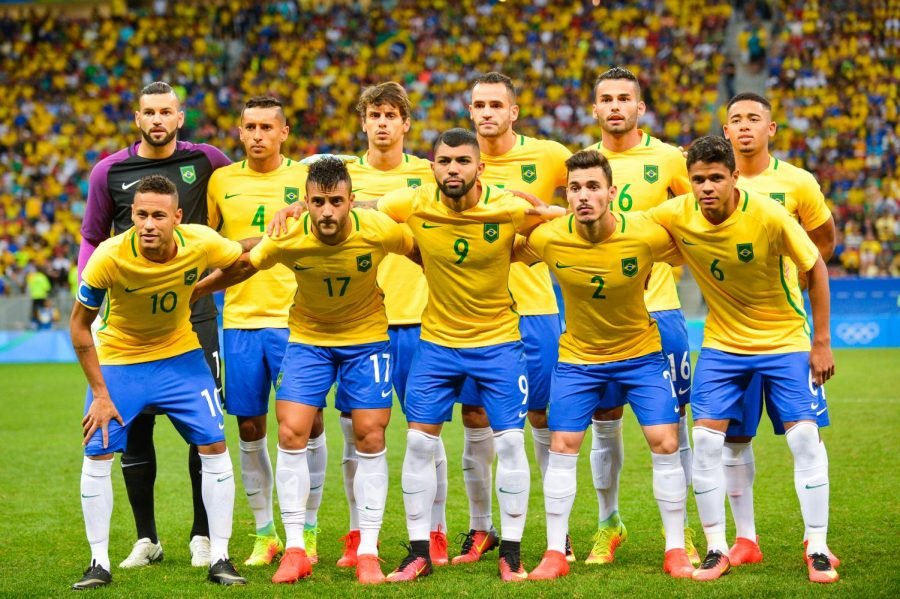
Brazil’s relationship with football is legendary. It’s more than a sport—it’s a social thread that connects neighborhoods, beaches, schools, and stadiums.
Why football is deeply rooted in Brazilian life
- Street football culture (futsal, beach football)
- Huge club rivalries
- National pride connected to the Seleção (national team)
- Icons who shaped global football history
But Brazil also has strong traditions in:
- Volleyball (very popular nationally)
- Martial arts (like Brazilian Jiu-Jitsu and Capoeira)
- Surfing (especially along the coast)
If you want culture fast: Watch a local match, even a small one. The energy is unforgettable.
9) Brazil’s Food Goes Way Beyond “Steak and Caipirinhas”
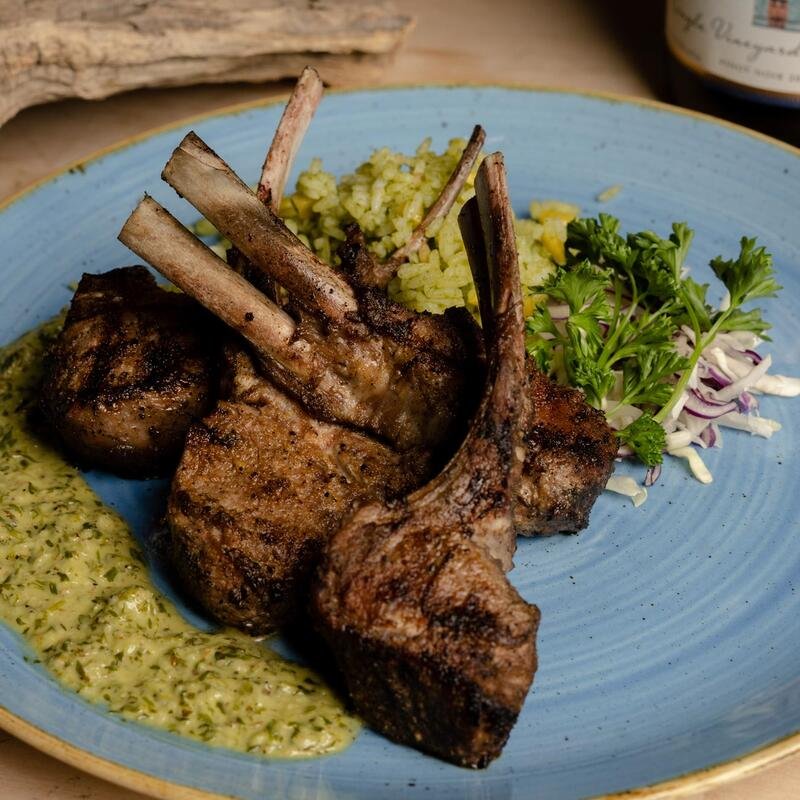
Brazilian cuisine is incredibly diverse because Brazil itself is a blend of Indigenous, African, Portuguese, and immigrant influences.
Iconic Brazilian foods to know
- Feijoada: a hearty bean stew (often considered a national dish)
- Pão de queijo: chewy cheese bread (perfect snack)
- Açaí: often served thick in bowls with toppings (different from the “juice” version)
- Moqueca: coconut-based seafood stew (varies by region)
- Churrasco: Brazilian barbecue (especially strong in the south)
- Brigadeiro: classic chocolate truffle treat
Brazil’s famous drink
- Caipirinha: Brazil’s national cocktail, typically made with cachaça, lime, sugar, and ice.
Foodie tip: Ask locals what’s regional. What’s “typical” in one state might be rare in another.
10) Brazil Has One of the Most Visually Diverse Landscapes on the Planet
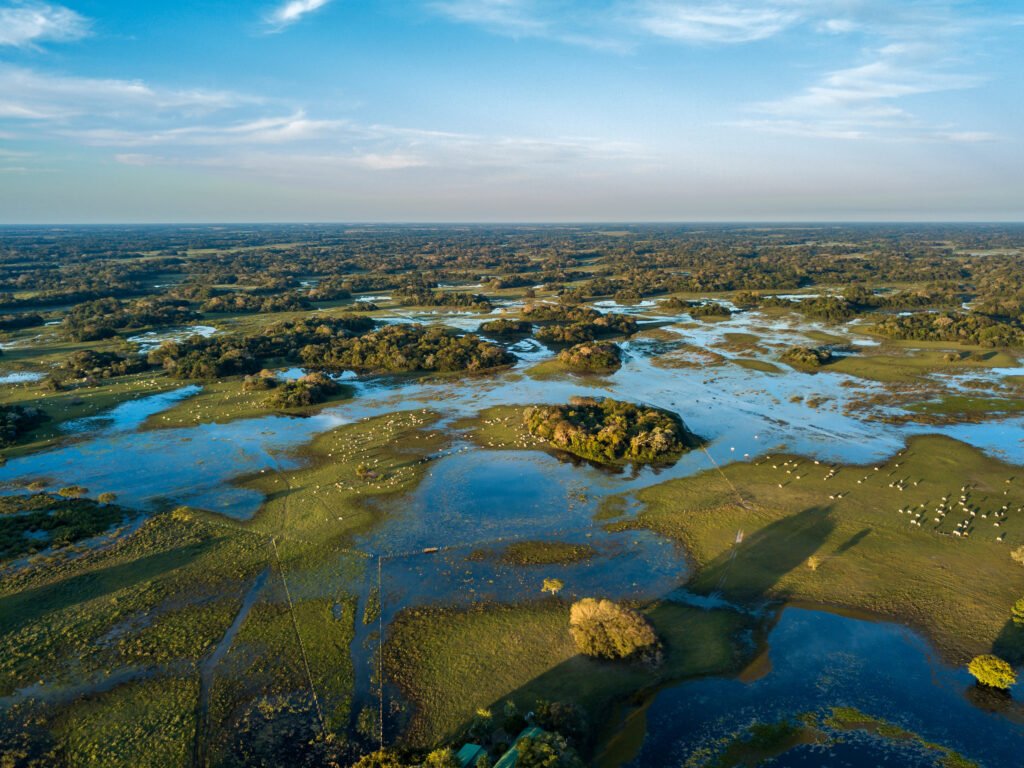
Brazil isn’t just rainforest and beaches. It’s dunes, wetlands, canyons, savannas, mountains, and islands.
Must-know landscapes (and why they’re fascinating)
- Pantanal: the world’s largest tropical wetland—wildlife paradise
- Lençóis Maranhenses: surreal dunes with seasonal lagoons
- Chapada Diamantina: waterfalls, caves, and hiking trails
- Fernando de Noronha: iconic island chain with marine life
- Ilha Grande: coastal rainforest + beaches with clear water
- Serra Gaúcha: cooler climate, vineyards, European-influenced towns
Travel planning tip: Choose your “Brazil theme” (wildlife, beaches, culture, adventure) because the options are endless.
Bonus: 10 Fast Fun Facts About Brazil (Quick List)
If you want quick trivia-style facts, here are a few:
- Brazil has multiple climates due to its vast size.
- The country has some of the world’s largest river systems, led by the Amazon.
- Brazil’s music styles include samba, bossa nova, forró, funk, and MPB.
- The coastline is incredibly long with thousands of beaches.
- Brazil is home to Indigenous communities with diverse languages and traditions.
- It has major mega-cities like São Paulo, one of the largest urban areas in the world.
- The country produces globally recognized coffee and agricultural exports.
- Brazil’s wildlife includes capybaras, jaguars, toucans, and giant anteaters.
- Street art culture is strong, especially in large cities.
- Brazil’s festivals and religious traditions vary widely by region.
FAQs About Brazil
What is Brazil most famous for?
Brazil is most famous for the Amazon Rainforest, Carnaval, football, stunning beaches, biodiversity, samba, and iconic landmarks like Christ the Redeemer.
Is Brazil safe to visit?
Brazil can be safe with smart planning. Like many large countries, safety varies by city and neighborhood. Use common sense: avoid displaying valuables, use trusted transport options, and research the specific areas you’ll visit.
What’s the best time to visit Brazil?
It depends on where you’re going. The country spans multiple climates. Generally, many travelers prefer drier seasons for nature trips and summer months for beach vibes—while Carnaval season is a cultural highlight.
Do I need to speak Portuguese to travel in Brazil?
It helps, but it’s not required. In tourist areas, you can often manage with English, especially in hotels and tours. Learning a few Portuguese phrases makes travel smoother and more friendly.
Final Thoughts: Brazil Is a World Within a Country
Brazil is a country that rewards curiosity. It’s not just a destination—it’s an experience shaped by nature’s extremes and a culture that feels alive everywhere you go. Whether you’re drawn by the rainforest, the rhythm of samba, the beaches, the food, or the wildlife, Brazil has layers that surprise even seasoned travelers.