Greece is more than just a beautiful Mediterranean destination—it is a living bridge between ancient civilization and modern European life. From shaping democracy and philosophy to offering thousands of islands and one of the world’s most celebrated cuisines, Greece continues to influence the global cultural, political, and intellectual landscape.
In this fully detailed, SEO-optimized guide, we explore the top 10 most interesting facts about Greece, uncovering lesser-known details, historical depth, cultural richness, and natural wonders that make this country truly unique.
Table of Contents
- Greece Is the Birthplace of Western Civilization
- Democracy, Philosophy & Science Were Born Here
- Greece Has Over 6,000 Islands (But Only a Fraction Are Inhabited)
- The Greek Language Is One of the Oldest in the World
- Greece Is Home to 18 UNESCO World Heritage Sites
- Greek Mythology Still Shapes Global Culture
- The Olympic Games Originated in Greece
- Greek Cuisine Is One of the Healthiest in the World
- Greece Has One of the Longest Coastlines on Earth
- Modern Greece Blends Ancient Traditions with Contemporary Life
1. Greece Is the Birthplace of Western Civilization
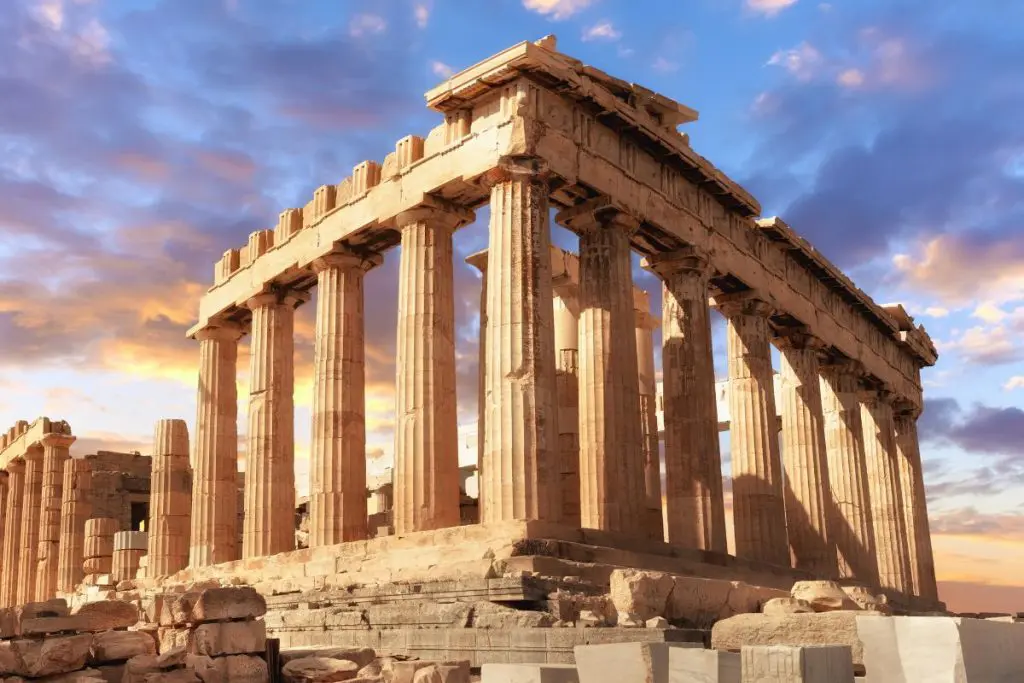
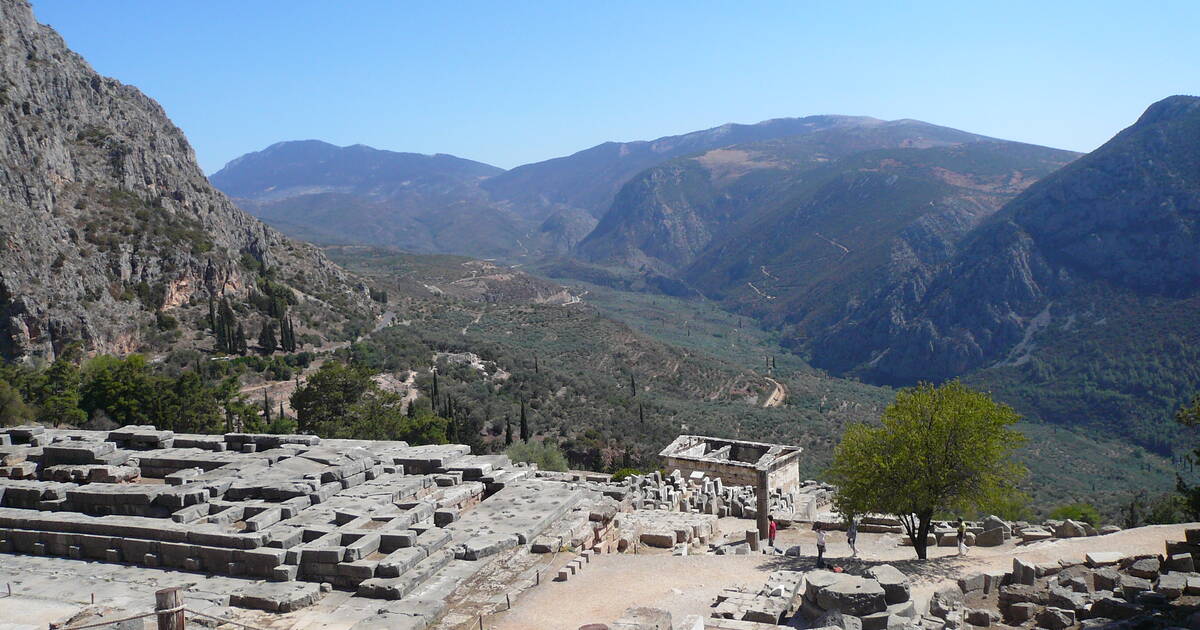
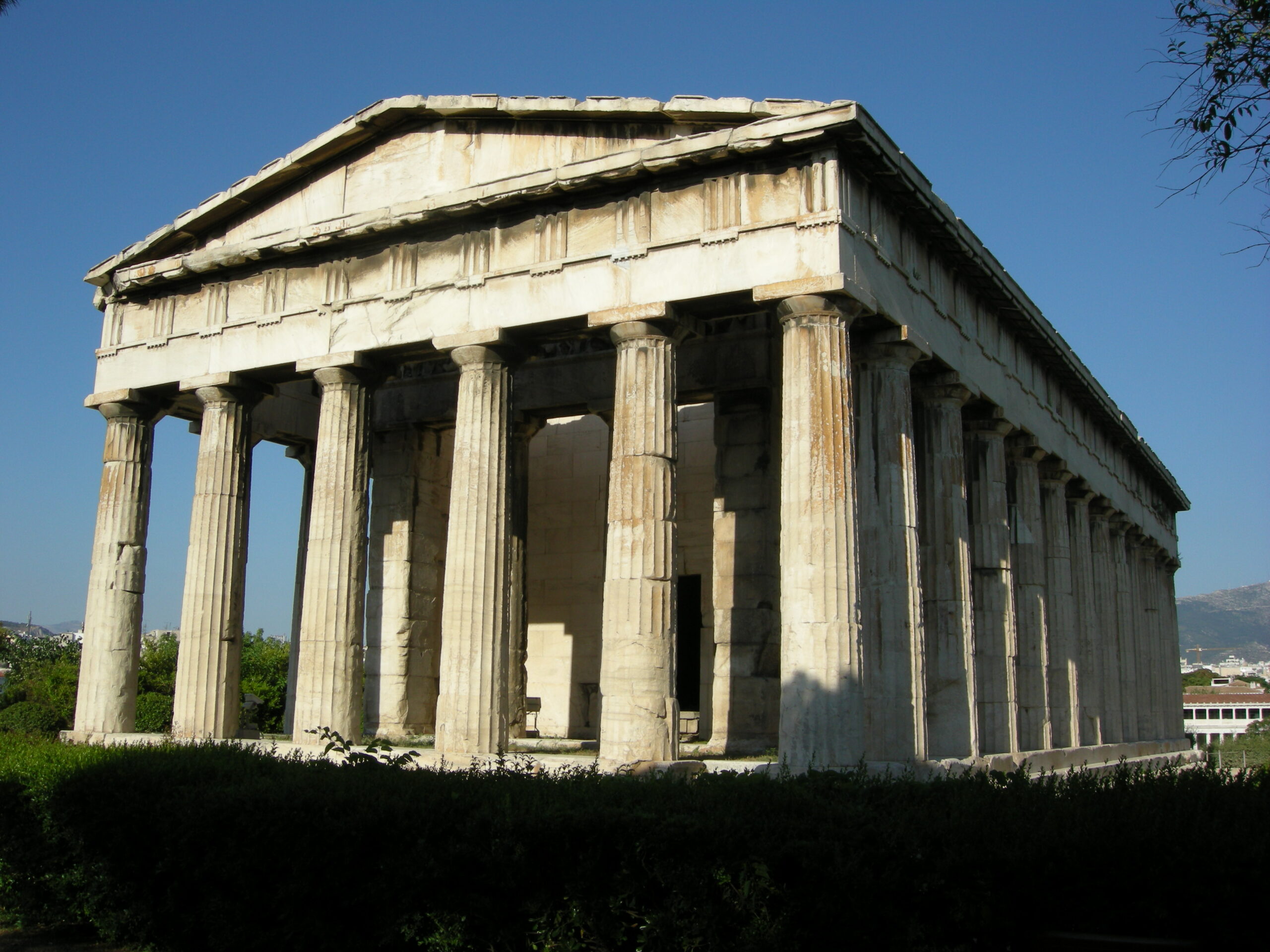
Greece is widely regarded as the cradle of Western civilization, a title earned through its foundational contributions to politics, philosophy, science, art, and architecture.
Why Ancient Greece Changed the World
Between roughly 800 BCE and 300 BCE, ancient Greek city-states like Athens, Sparta, Corinth, and Thebes laid the groundwork for systems and ideas still used today.
Key contributions include:
- Democratic governance
- Philosophical reasoning
- Historical writing
- Mathematical logic
- Theater and drama
- Classical architecture
Monuments such as the Parthenon in Athens remain symbols of balance, proportion, and intellectual achievement.
City-States, Not Empires
Unlike centralized empires, ancient Greece consisted of independent city-states (poleis), each with its own laws, military, and culture. This political diversity encouraged experimentation—especially in governance and civic participation.
Fun Fact: The concept of citizenship was born in ancient Greece, though it was limited to free male citizens at the time.
2. Democracy, Philosophy & Science Were Born Here

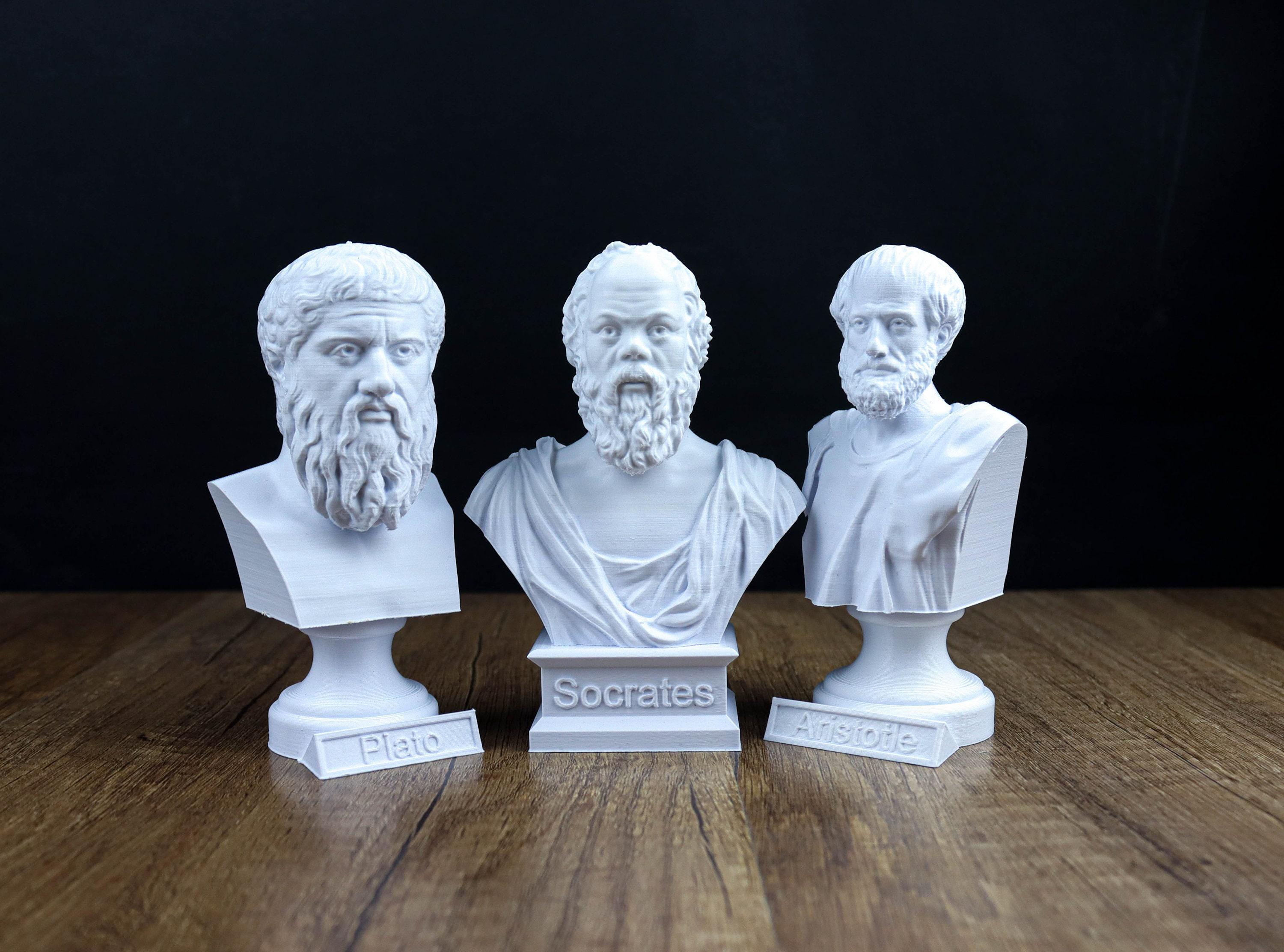

Modern democracy traces its roots directly to ancient Athens, where citizens voted on laws, policies, and public decisions.
The Birth of Democracy
The word democracy comes from Greek:
- Demos – people
- Kratos – power
This system allowed eligible citizens to:
- Vote directly on legislation
- Serve in public offices
- Participate in juries
Though limited by today’s standards, it was revolutionary for its time.
Philosophers Who Shaped Human Thought
Greek philosophers laid the intellectual foundation for Western thought:
- Socrates – ethics and questioning authority
- Plato – political philosophy and ideal forms
- Aristotle – logic, biology, ethics, and metaphysics
Their ideas are still taught in universities worldwide, influencing:
- Political systems
- Scientific methodology
- Moral philosophy
Interesting Insight: Aristotle tutored Alexander the Great, linking philosophy directly to world history.
3. Greece Has Over 6,000 Islands (But Only a Fraction Are Inhabited)

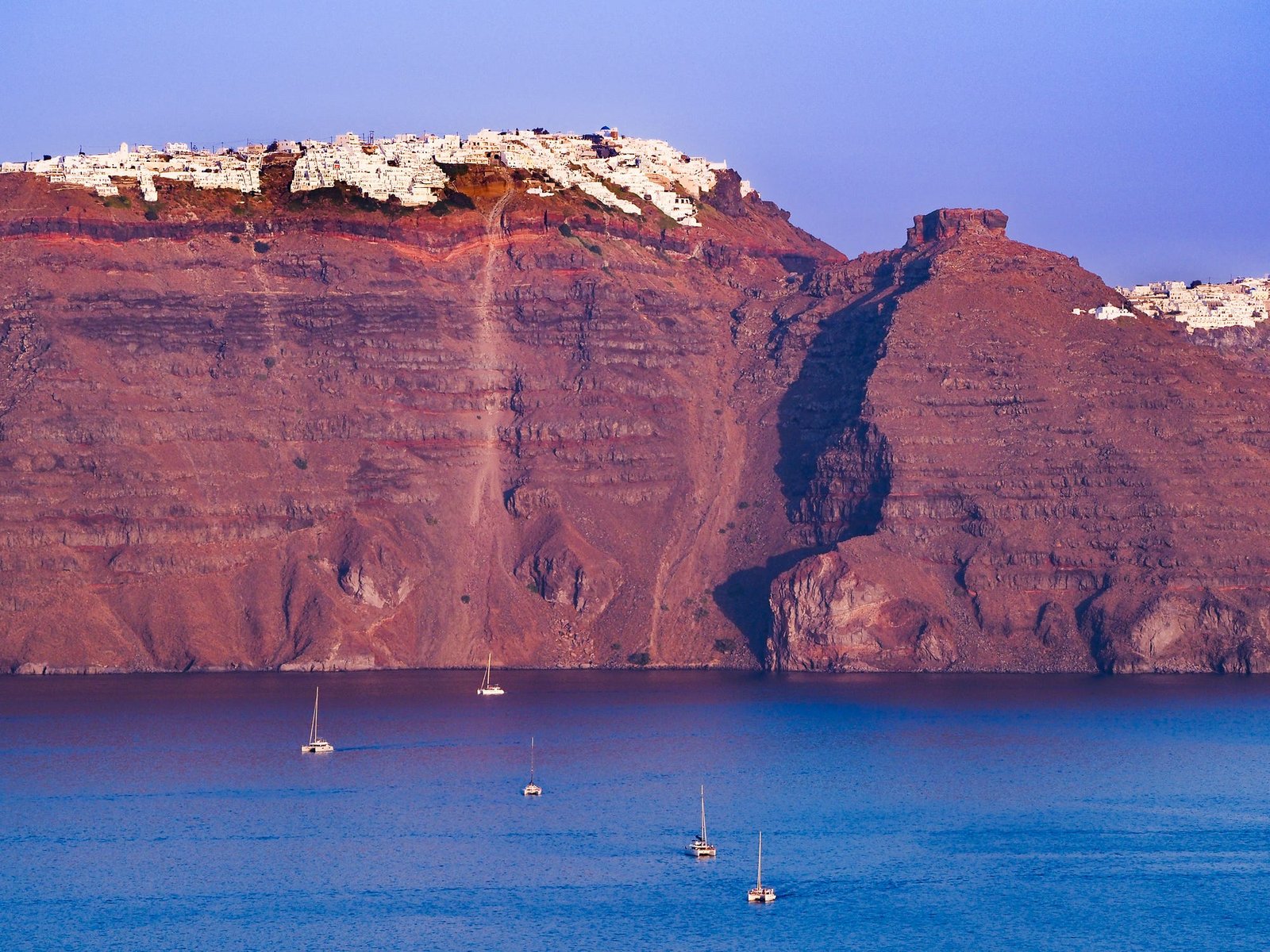
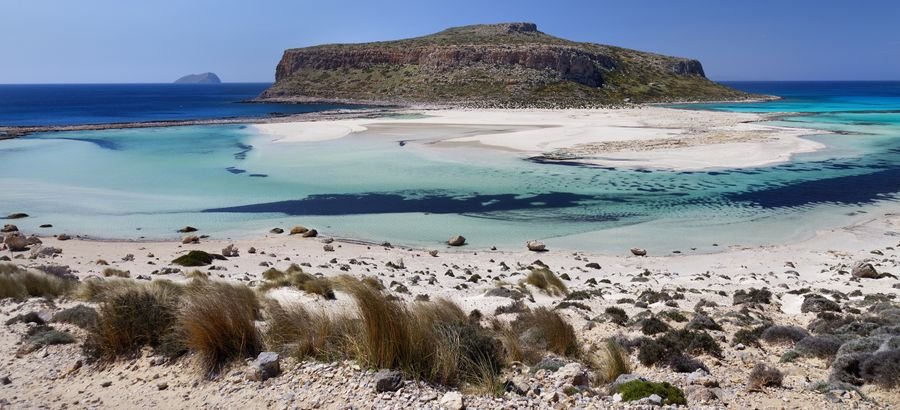
Greece boasts one of the largest archipelagos in the world, with approximately 6,000 islands and islets scattered across the Aegean and Ionian Seas.
How Many People Actually Live on Them?
- Total islands: ~6,000
- Inhabited islands: ~227
Each island has its own:
- Architectural style
- Local cuisine
- Dialect and traditions
Major Island Groups
- Cyclades – whitewashed villages (Santorini, Mykonos)
- Dodecanese – medieval history (Rhodes)
- Ionian Islands – lush landscapes (Corfu, Zakynthos)
- Crete – Greece’s largest island with ancient Minoan roots
Did You Know? Some Greek islands have fewer than 50 residents, while others attract millions of visitors annually.
4. The Greek Language Is One of the Oldest in the World
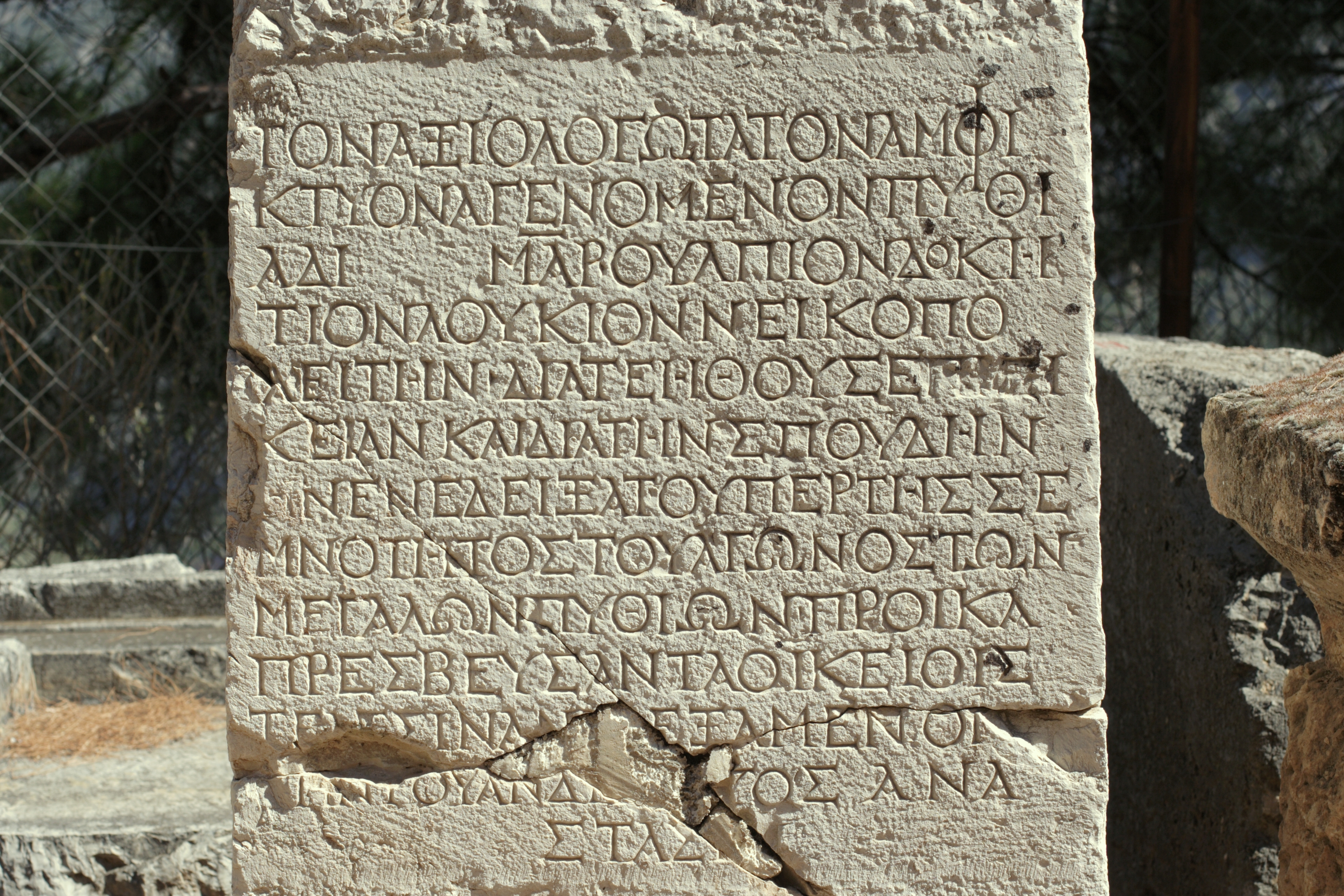
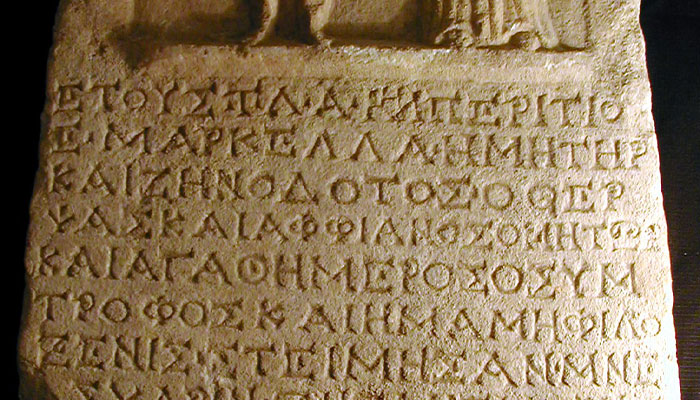

Greek is among the oldest continuously used written languages in human history.
A 3,000-Year Linguistic Journey
- Earliest written records date back to Mycenaean Greek (c. 1400 BCE)
- The Greek alphabet inspired:
- Latin alphabet
- Cyrillic alphabet
Greek Words You Use Every Day
Many English words have Greek origins:
- Democracy
- Philosophy
- Biology
- Astronomy
- Mathematics
- Theatre
Language Legacy: Scientific and medical terminology worldwide still relies heavily on Greek roots.
5. Greece Is Home to 18 UNESCO World Heritage Sites

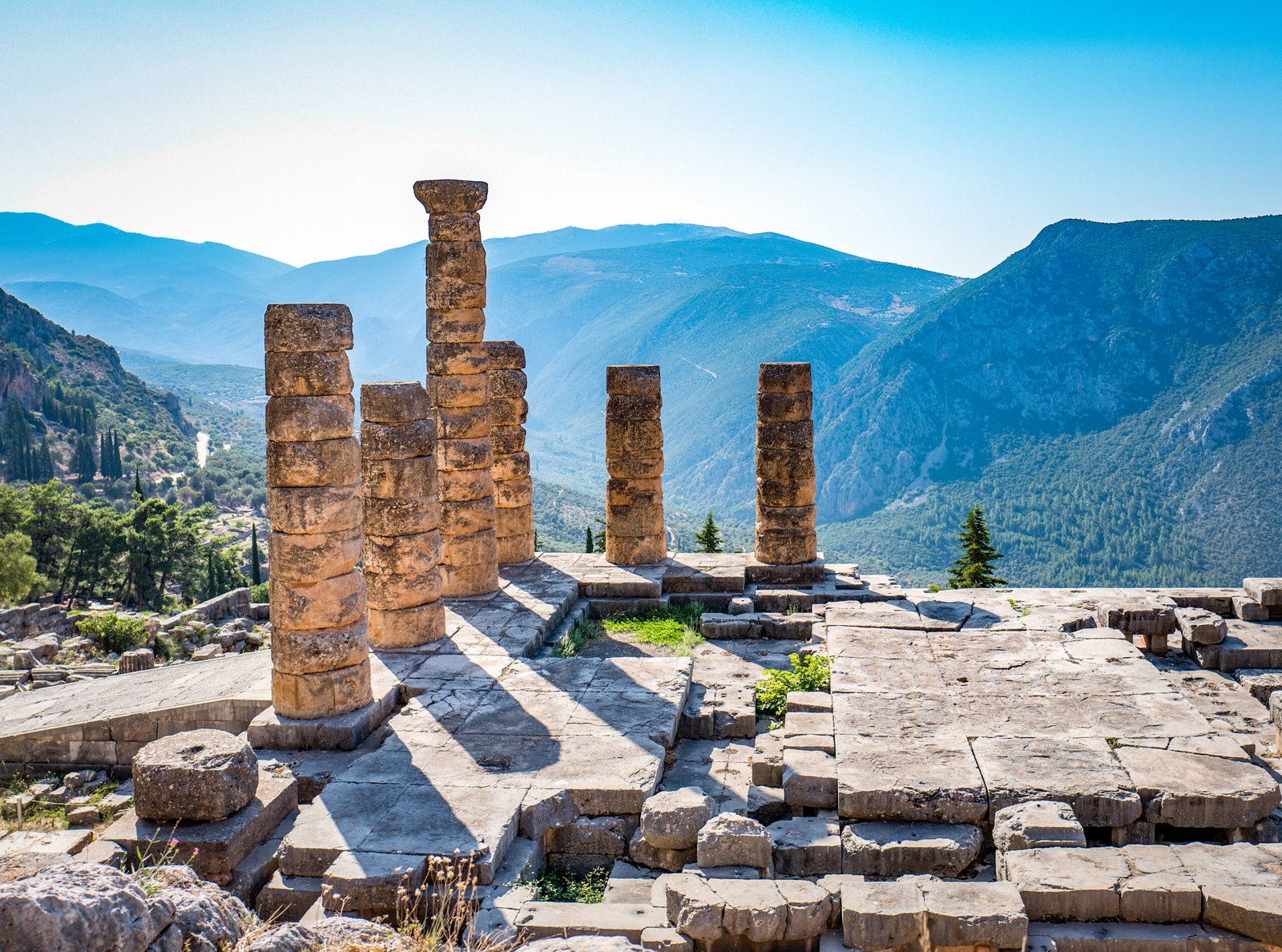
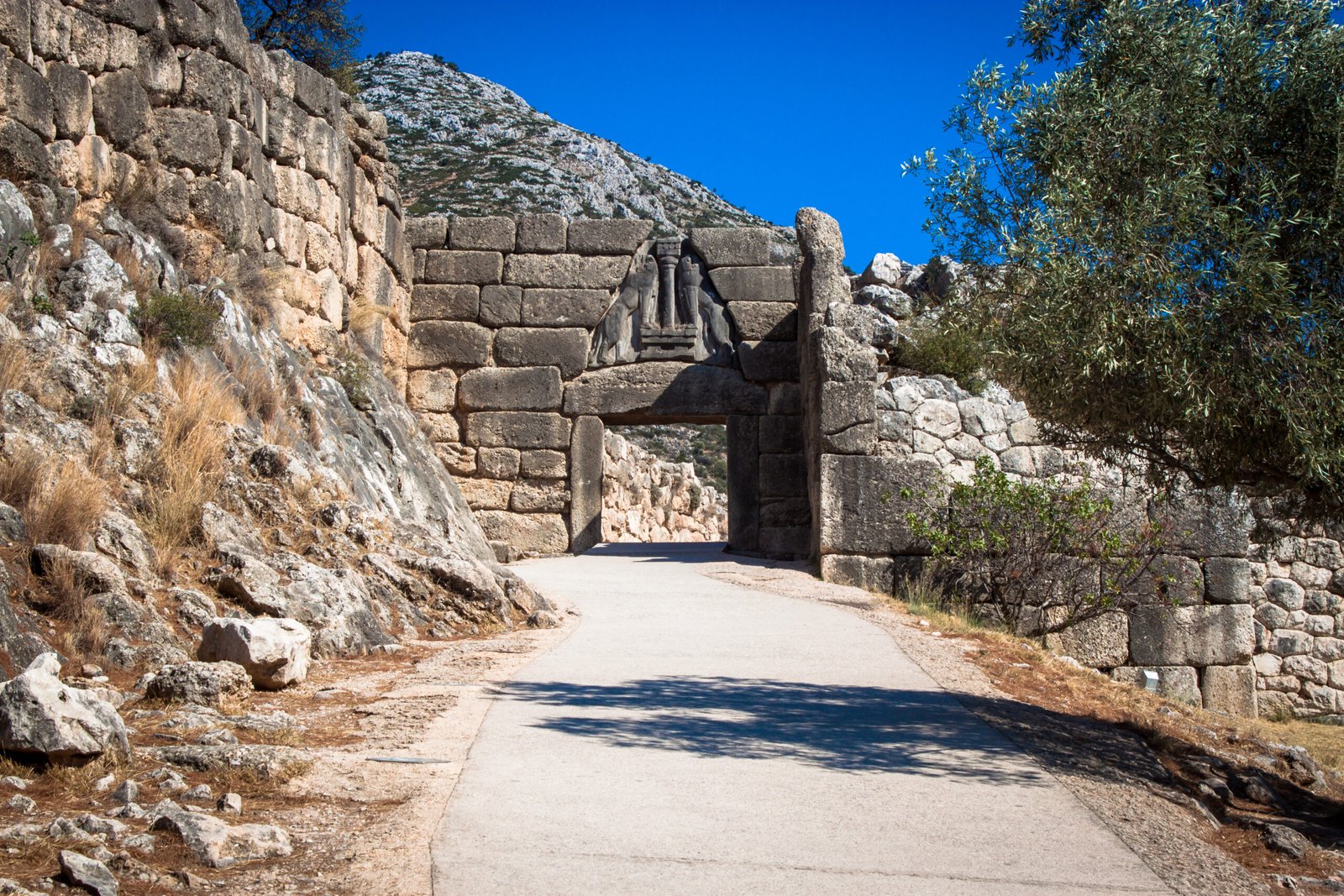
Despite its relatively small size, Greece has 18 UNESCO World Heritage Sites, highlighting its historical and cultural significance.
Notable UNESCO Sites
- Acropolis of Athens
- Meteora Monasteries
- Delphi Archaeological Site
- Ancient Olympia
- Medieval City of Rhodes
These sites span:
- Ancient Greek civilization
- Roman influence
- Byzantine architecture
- Medieval fortifications
Unique Fact: Meteora’s monasteries were built atop towering rock pillars to protect monks from invasions.
6. Greek Mythology Still Shapes Global Culture

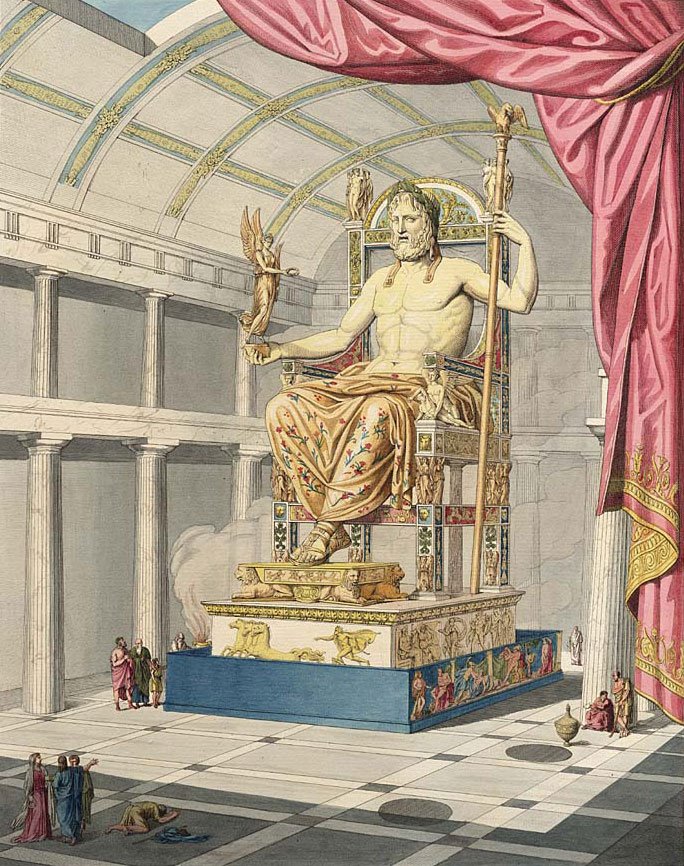
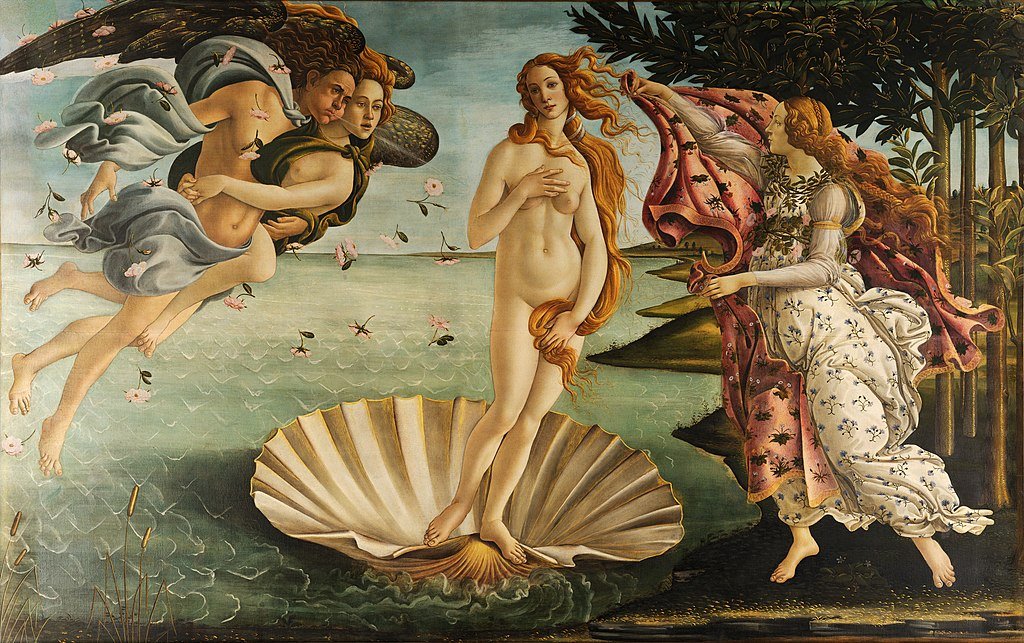
Greek mythology is not just ancient storytelling—it remains deeply embedded in modern culture.
Gods, Heroes & Legends
Greek myths introduced iconic figures such as:
- Zeus
- Athena
- Apollo
- Hercules
- Achilles
These stories explained:
- Natural phenomena
- Human emotions
- Moral lessons
Modern Influence
Greek mythology influences:
- Movies (Hollywood blockbusters)
- Literature and fantasy novels
- Video games
- Brand names (Nike, Amazon)
Fun Detail: Mount Olympus, believed to be the home of the gods, is Greece’s highest mountain.
7. The Olympic Games Originated in Greece


The Olympic Games began in 776 BCE in Olympia, Greece, as a tribute to Zeus.
Ancient vs Modern Olympics
Ancient Olympics featured:
- Running races
- Wrestling
- Discus throw
- Chariot racing
Modern Olympic traditions still linked to Greece:
- Olympic flame is lit in Olympia
- Opening ceremonies honor Greek heritage
Historical Twist: The ancient Olympics continued for nearly 1,200 years before being banned in 393 CE.
8. Greek Cuisine Is One of the Healthiest in the World



Greek cuisine forms the backbone of the Mediterranean diet, consistently ranked among the healthiest eating patterns globally.
Core Ingredients
- Olive oil
- Fresh vegetables
- Whole grains
- Seafood
- Yogurt and cheese
Health Benefits
Studies associate Greek-style diets with:
- Lower heart disease risk
- Increased longevity
- Reduced inflammation
Culinary Fun Fact: Greece is one of the world’s largest consumers of olive oil per capita.
9. Greece Has One of the Longest Coastlines on Earth
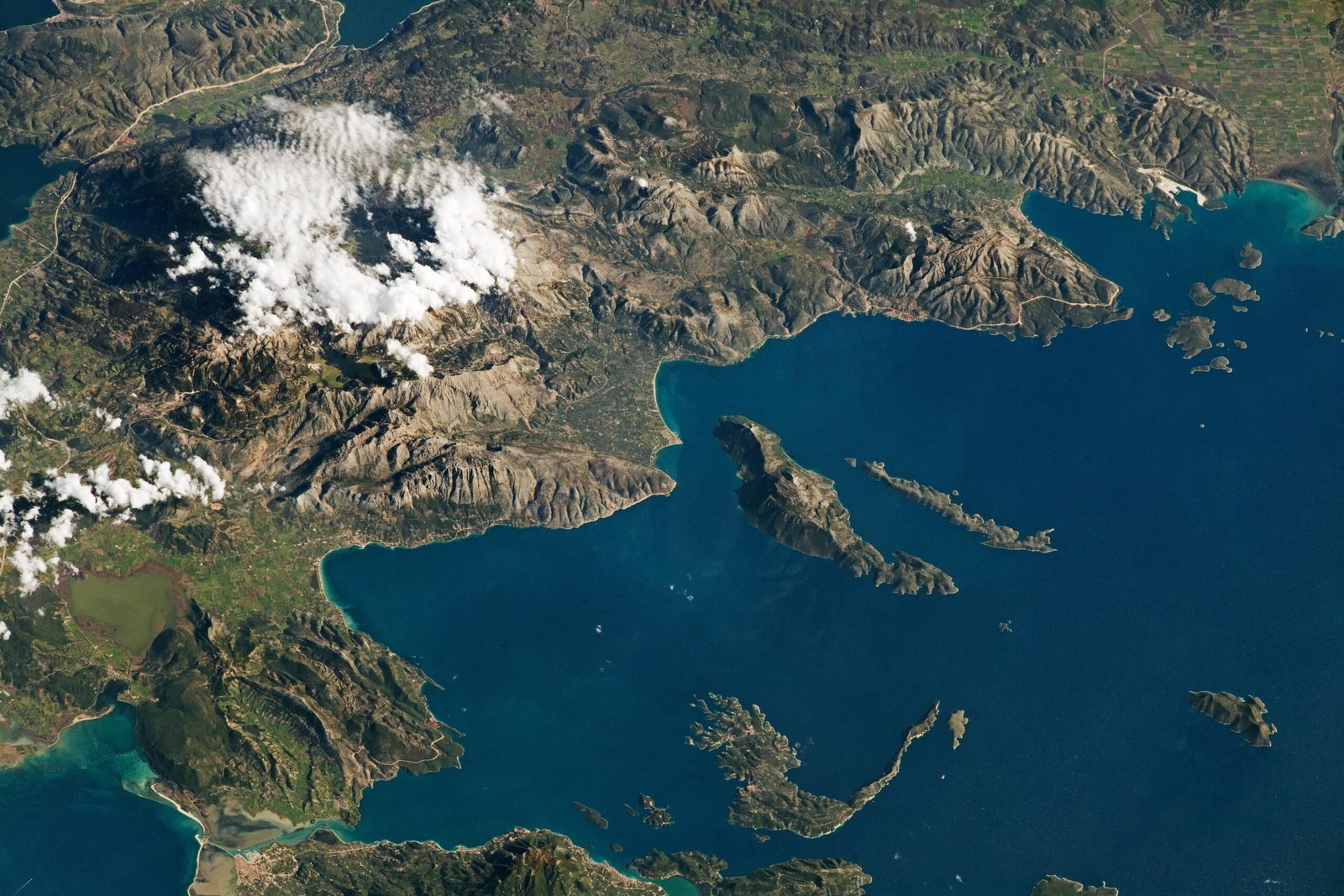
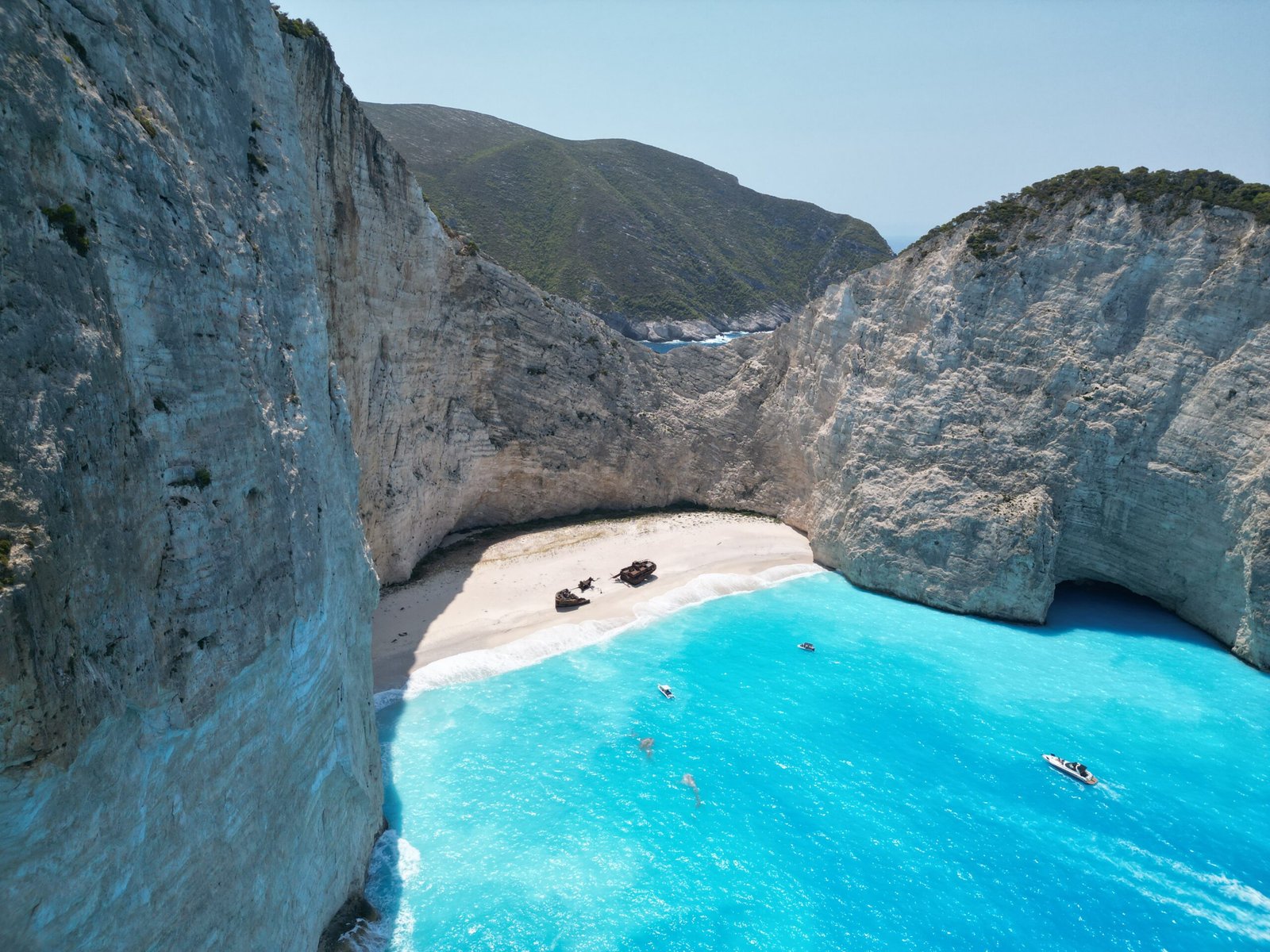
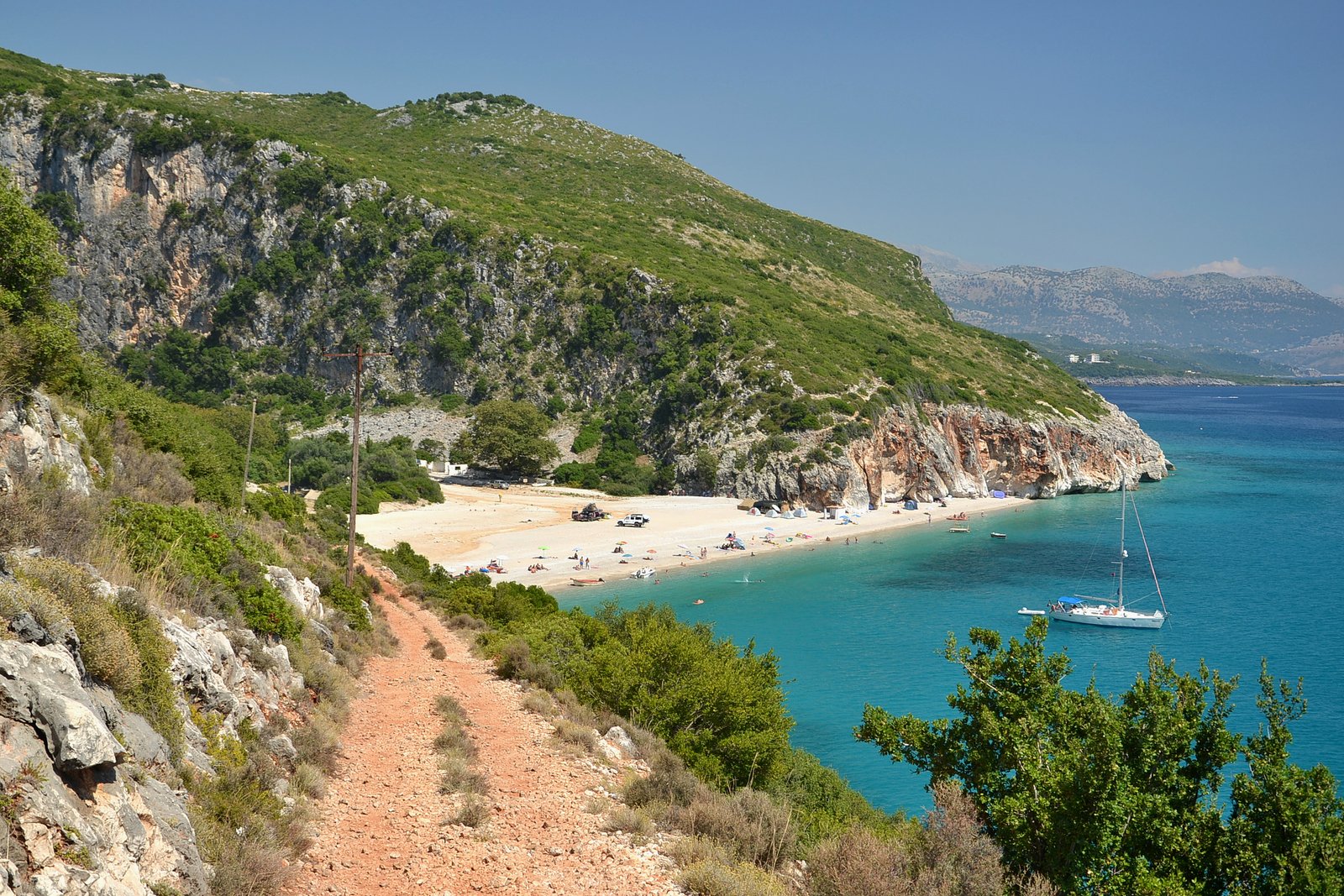
Thanks to its islands and peninsulas, Greece has a coastline stretching over 13,600 kilometers, ranking among the top 10 longest coastlines worldwide.
Why This Matters
- Thousands of beaches
- Diverse marine ecosystems
- Strong maritime tradition
From sandy shores to dramatic cliffs, Greece offers unmatched coastal variety.
Bonus Fact: Greece has more beaches awarded the Blue Flag certification than most countries.
10. Modern Greece Blends Ancient Traditions with Contemporary Life

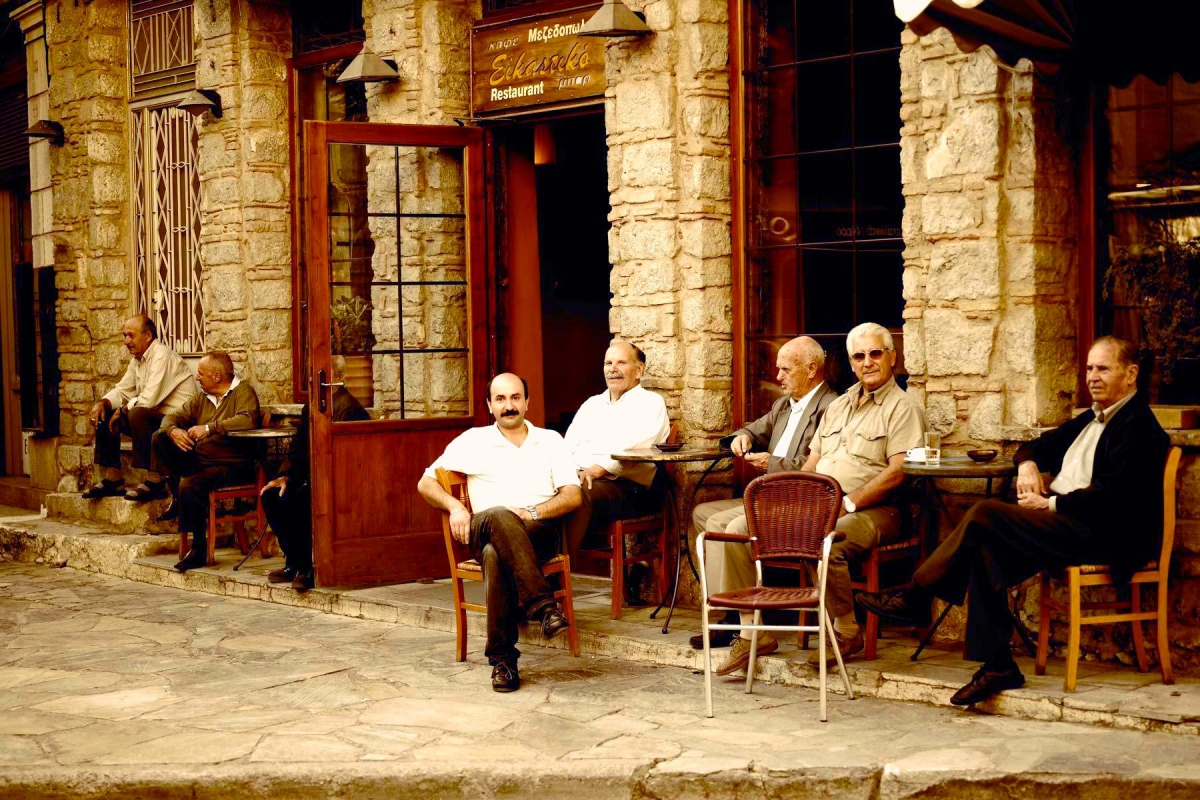
Modern Greece is a fascinating mix of ancient heritage and modern European lifestyle.
Daily Life in Greece
- Ancient ruins beside metro stations
- Traditional festivals celebrated nationwide
- Strong emphasis on family and community
- Café culture and relaxed pace of life
Cultural Continuity
Despite globalization, Greeks maintain:
- Traditional music and dances
- Orthodox Christian customs
- Regional festivals and cuisines
Cultural Insight: Many modern Greek celebrations date back thousands of years, blending pagan and Christian traditions.
Conclusion: Why Greece Continues to Fascinate the World
Greece is not just a country—it’s a living civilization. From shaping global thought and governance to offering breathtaking landscapes and rich traditions, Greece stands as one of the most influential nations in human history.
Whether you’re a traveler, history enthusiast, foodie, or culture lover, Greece offers endless stories, lessons, and experiences.
Frequently Asked Questions (FAQs)
Q1. Why is Greece called the cradle of Western civilization?
Because it introduced democracy, philosophy, science, and arts that shaped Western societies.
Q2. How old is Greek civilization?
Greek civilization dates back over 4,000 years, with written records from around 1400 BCE.
Q3. Is Greece only about ancient history?
No. Greece is a modern EU country with vibrant cities, technology, and contemporary culture.
Q4. How many islands can tourists visit in Greece?
Over 200 inhabited islands welcome visitors, each with unique charm.