Indonesia is not just a country—it’s an entire world of cultures, landscapes, languages, and traditions spread across thousands of islands. From ancient temples hidden in misty jungles to ultra-modern cities buzzing with life, Indonesia stands as one of the most fascinating destinations on Earth.
Whether you are a traveler, student, culture enthusiast, or geography lover, this in-depth guide explores the top 10 most interesting facts about Indonesia, fully detailed, SEO-optimized, and easy to read.
Table of Contents
- Indonesia Is the Largest Archipelago in the World
- Home to Over 17,000 Islands
- One of the Most Culturally Diverse Nations on Earth
- Indonesia Has the World’s Largest Muslim Population
- It Sits on the Pacific Ring of Fire
- Indonesia Is a Biodiversity Hotspot
- Over 700 Living Languages Are Spoken
- Indonesia Is Home to Ancient World Wonders
- Jakarta Is One of the World’s Fastest-Growing Megacities
- Indonesia’s Cuisine Is Incredibly Diverse
1️⃣ Indonesia Is the Largest Archipelago in the World
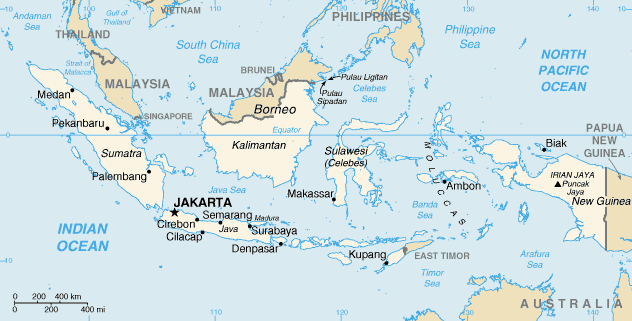


Indonesia proudly holds the title of the world’s largest archipelagic nation. Stretching across Southeast Asia and Oceania, the country forms a natural bridge between two continents and two oceans.
Key Highlights:
- Spans over 5,000 kilometers from west to east
- Lies between the Indian Ocean and the Pacific Ocean
- Strategically located along historic global trade routes
This geographic positioning has shaped Indonesia’s long history of trade, migration, and cultural exchange. It’s also why Indonesian culture reflects influences from India, China, the Middle East, and Europe.
2️⃣ Indonesia Is Home to Over 17,000 Islands
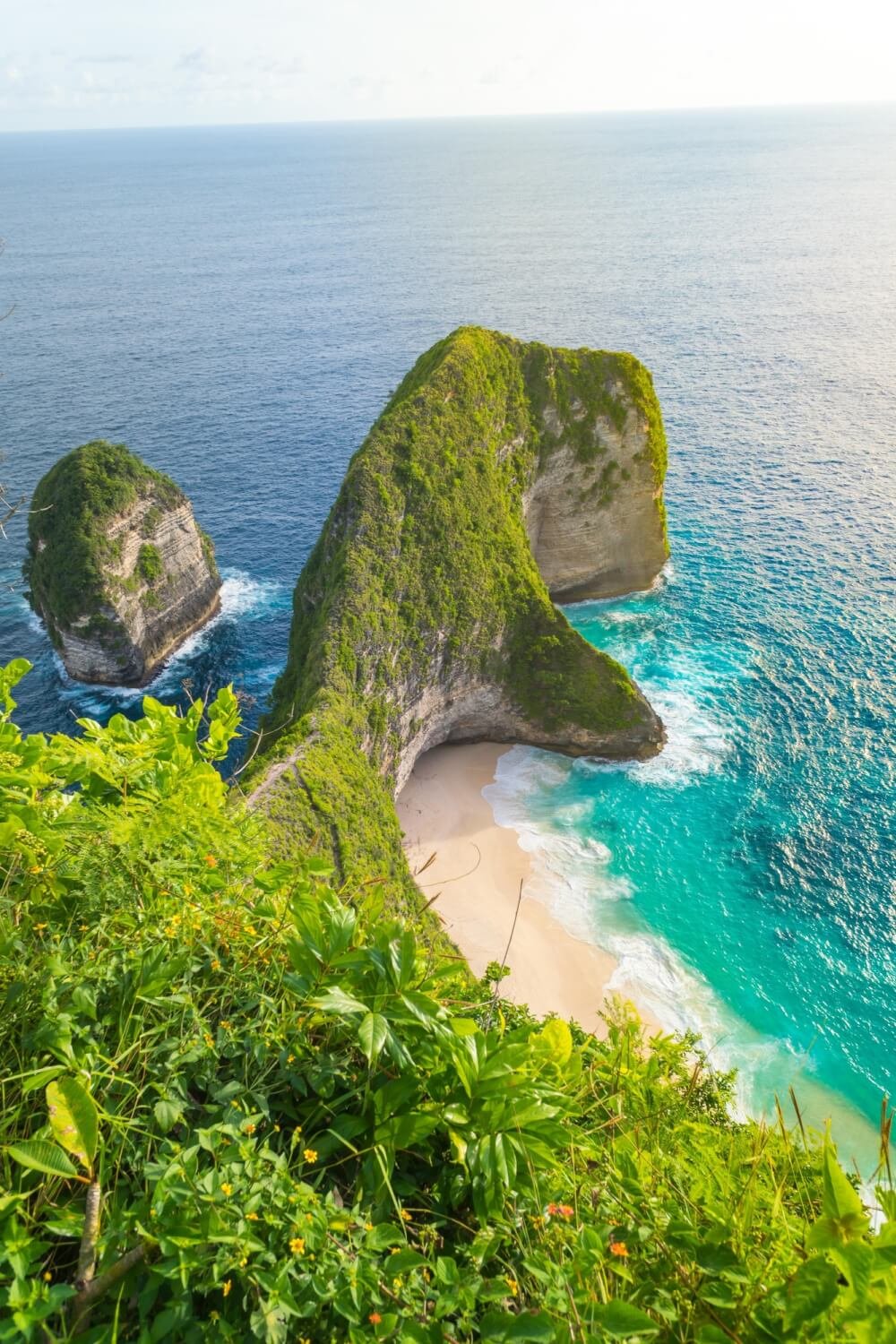
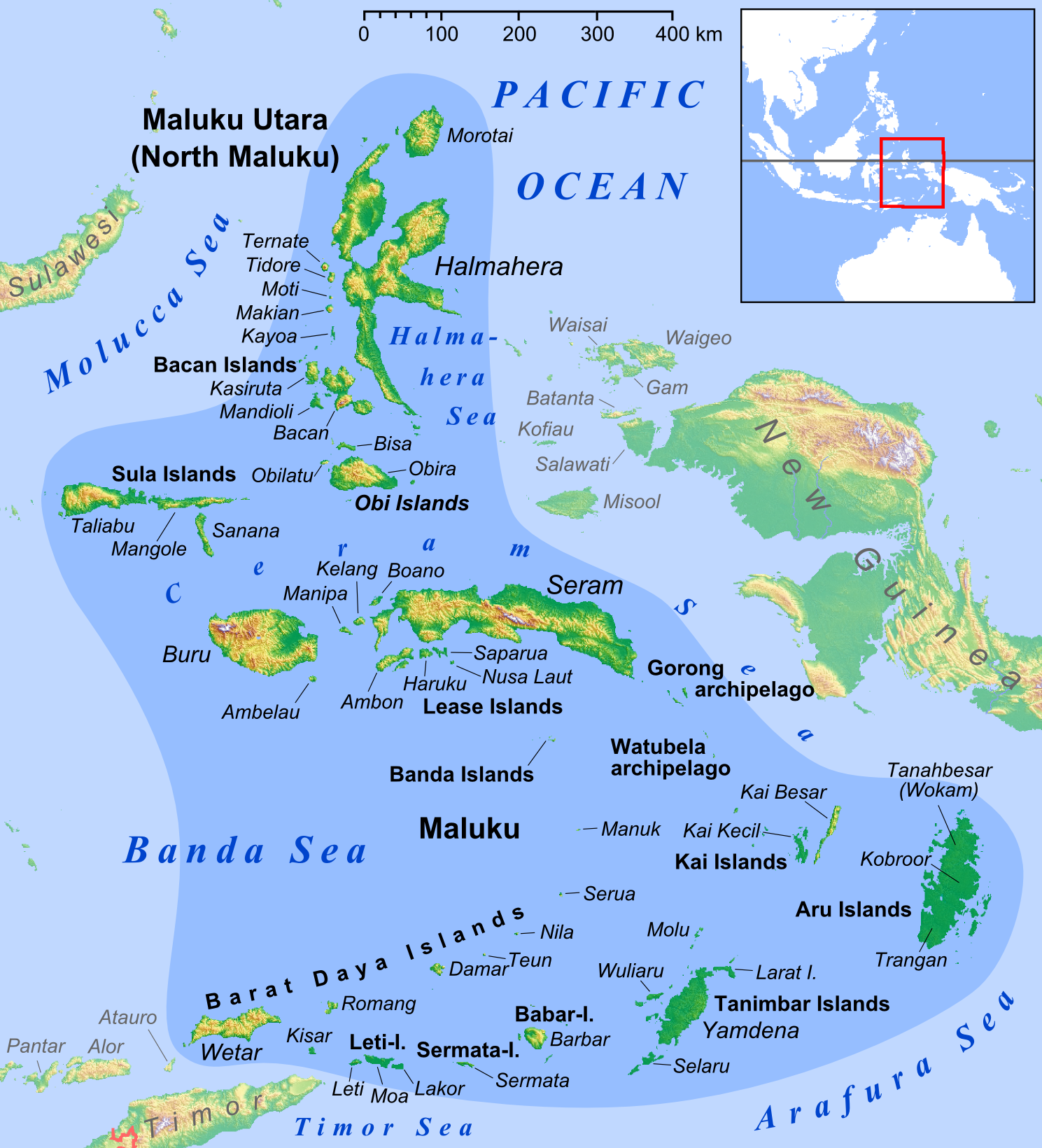
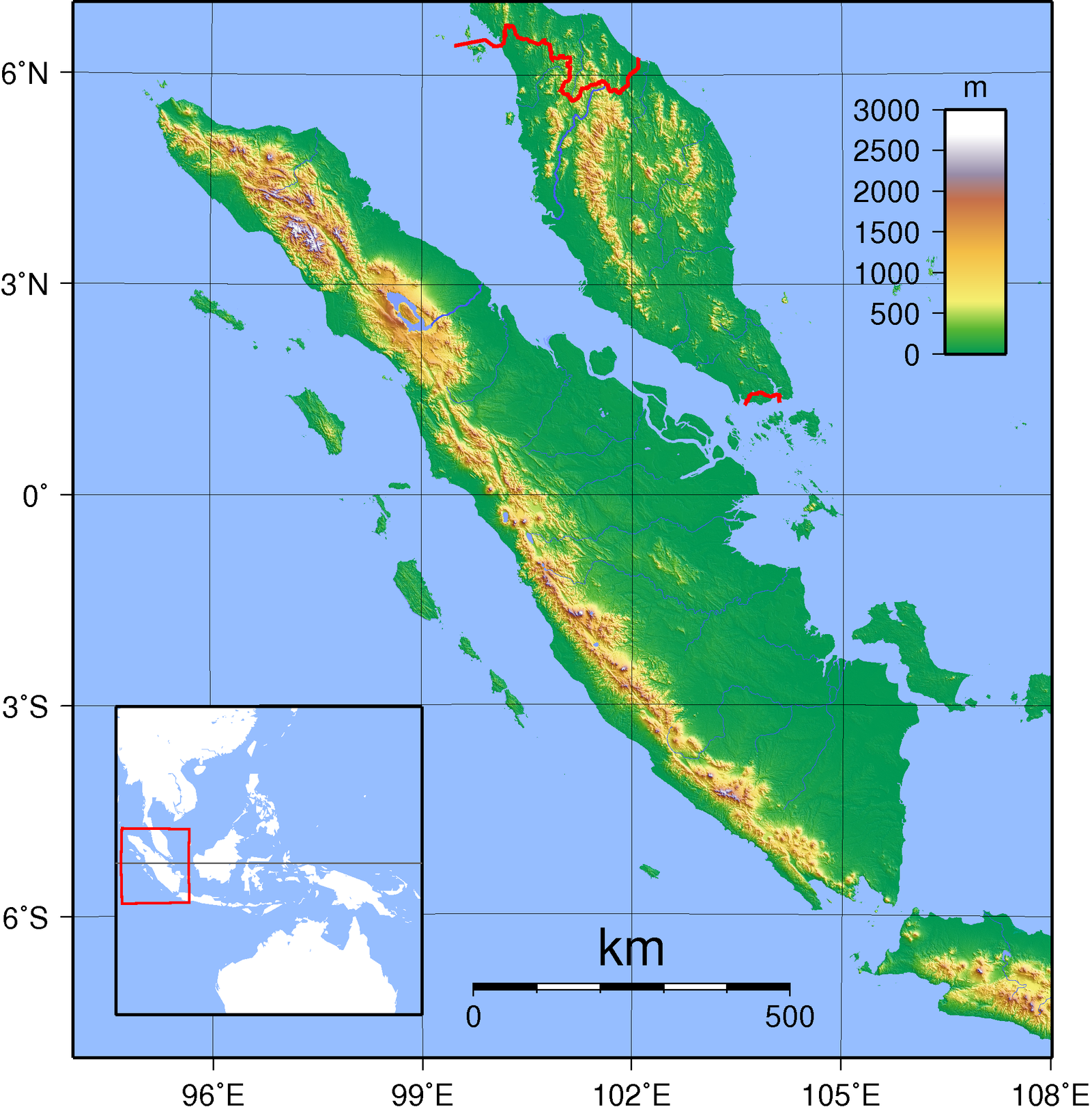
Indonesia officially consists of more than 17,000 islands, though only about 6,000 are inhabited.
️ Major Islands Include:
- Sumatra – Known for rainforests and volcanoes
- Java – The political and economic heart
- Borneo (shared with Malaysia & Brunei)
- Sulawesi – Famous for unique wildlife
- Papua – Home to ancient tribal cultures
Each island offers its own traditions, landscapes, and lifestyles—making Indonesia feel like many countries in one.
3️⃣ One of the Most Culturally Diverse Countries in the World
Indonesia is a cultural mosaic made up of more than 1,300 ethnic groups.
Cultural Diversity Includes:
- Traditional dances like Balinese Legong
- Unique textiles such as Batik and Ikat
- Indigenous rituals passed down for centuries
Despite this diversity, Indonesia remains united under the national philosophy of “Bhinneka Tunggal Ika”—Unity in Diversity.
4️⃣ Indonesia Has the World’s Largest Muslim Population
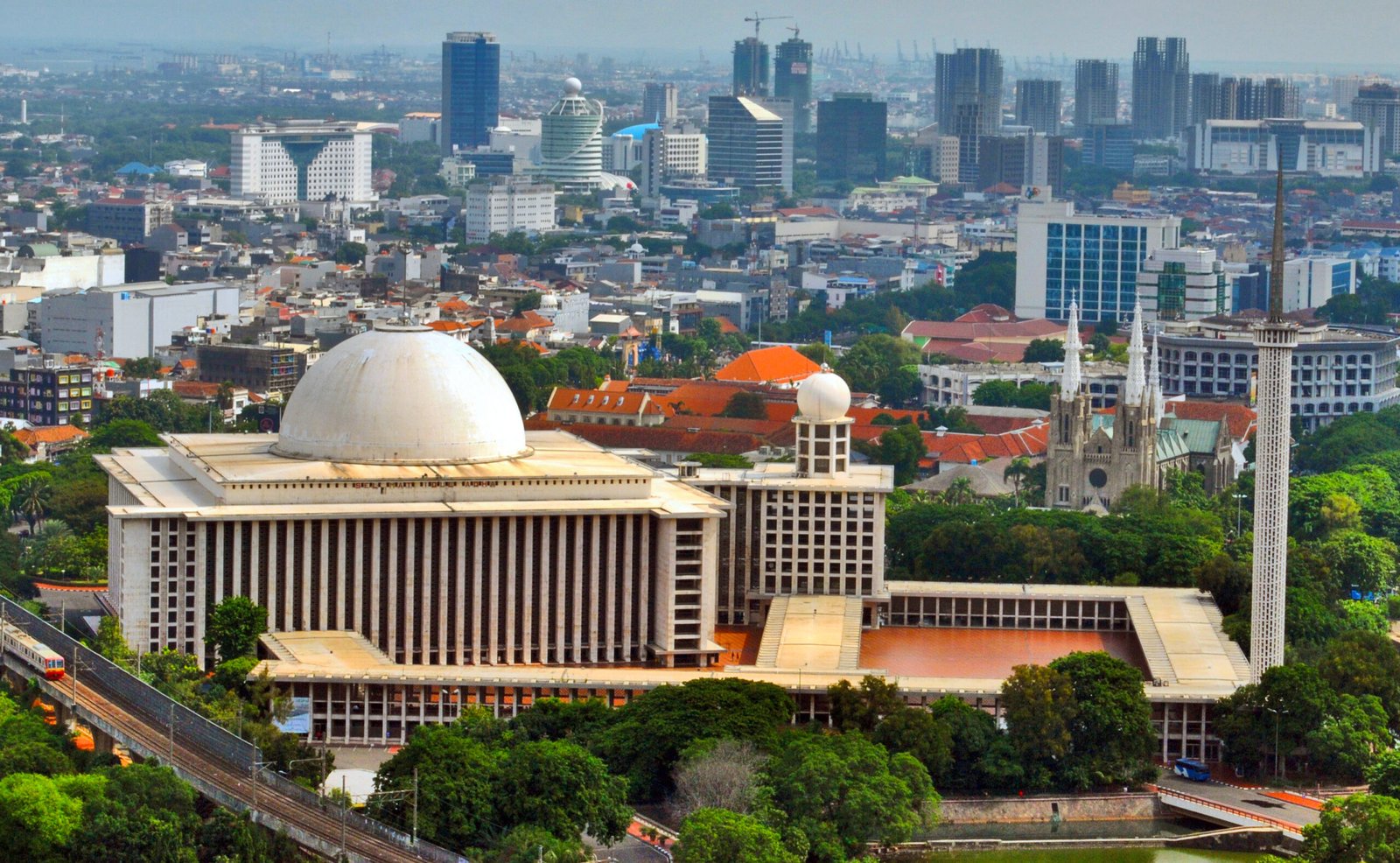
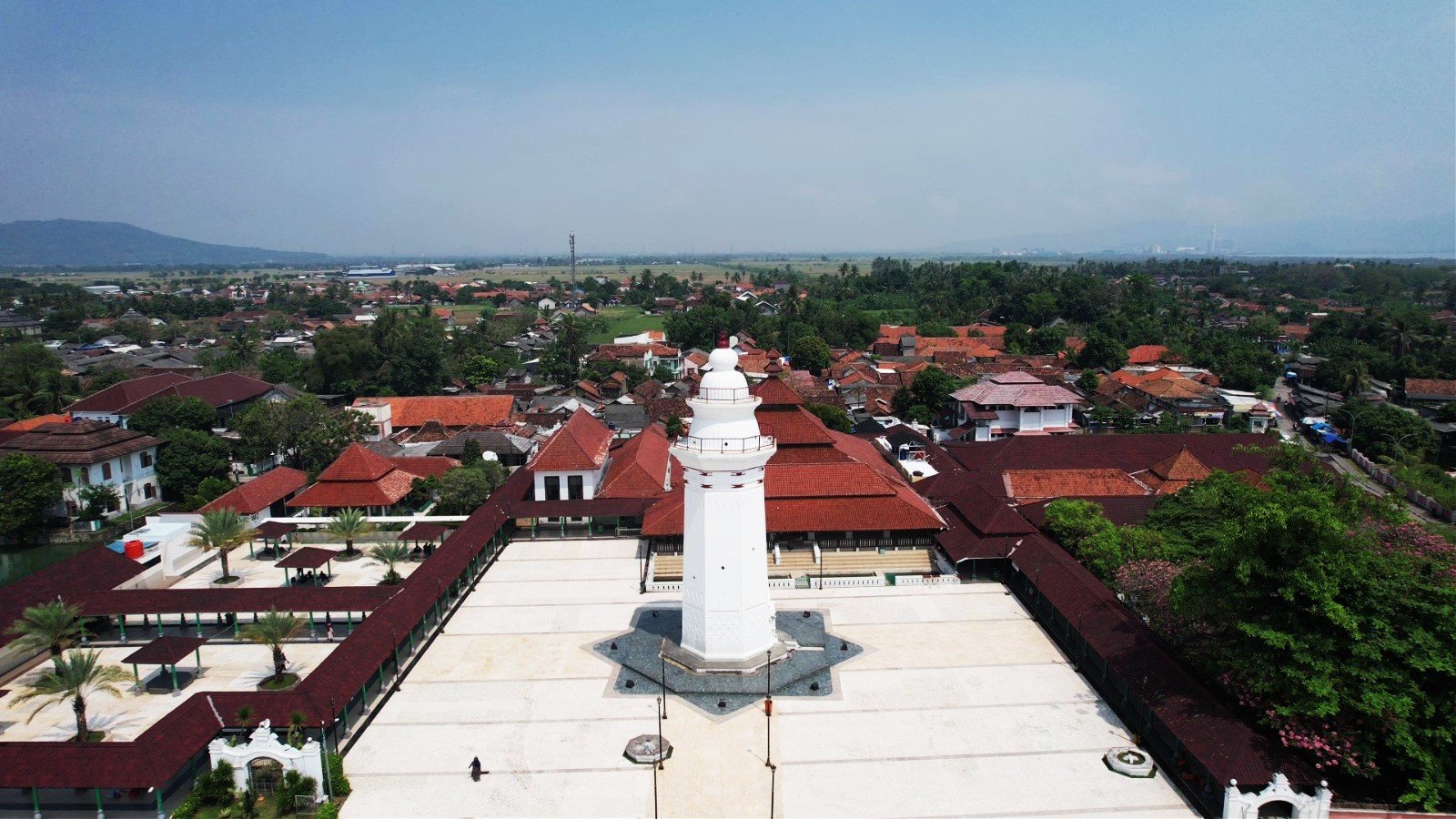
Although Indonesia is not an Islamic state, it is home to the largest Muslim population in the world.
Religious Landscape:
- ~87% Muslim
- Significant Christian, Hindu, Buddhist, and Confucian communities
- Bali is predominantly Hindu
Indonesia’s approach to religion is notably tolerant, with national recognition of multiple faiths and widespread interfaith harmony.
5️⃣ Indonesia Lies on the Pacific Ring of Fire
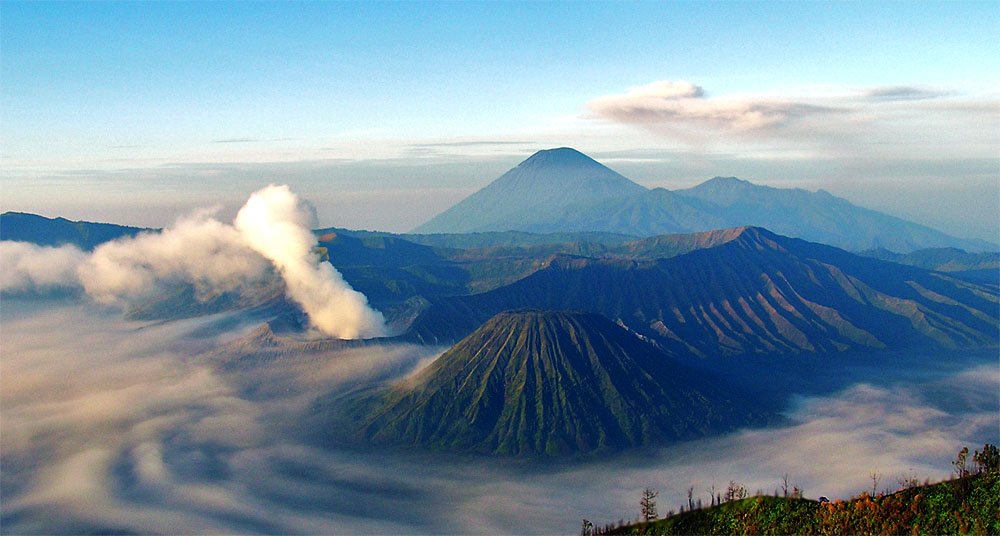
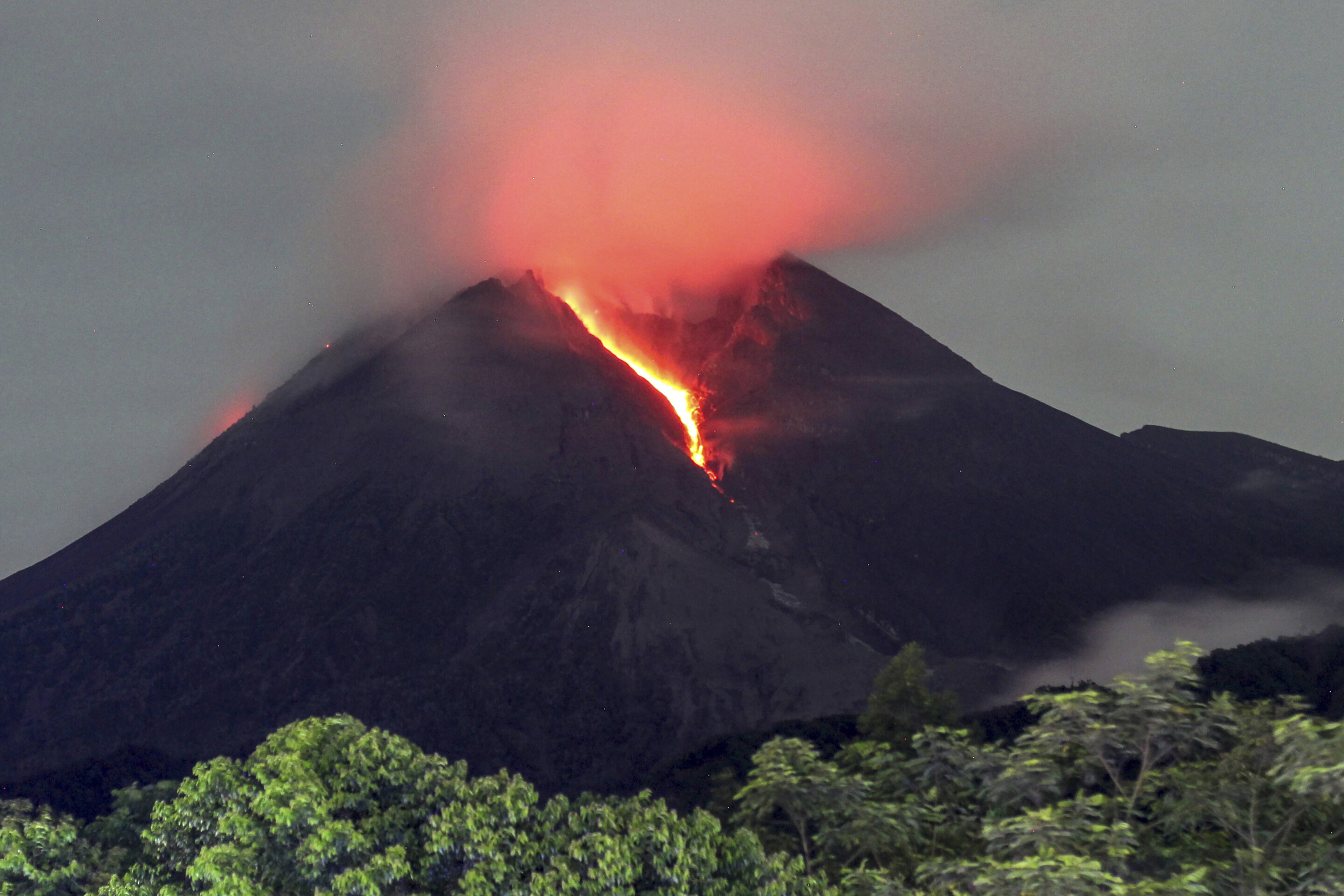
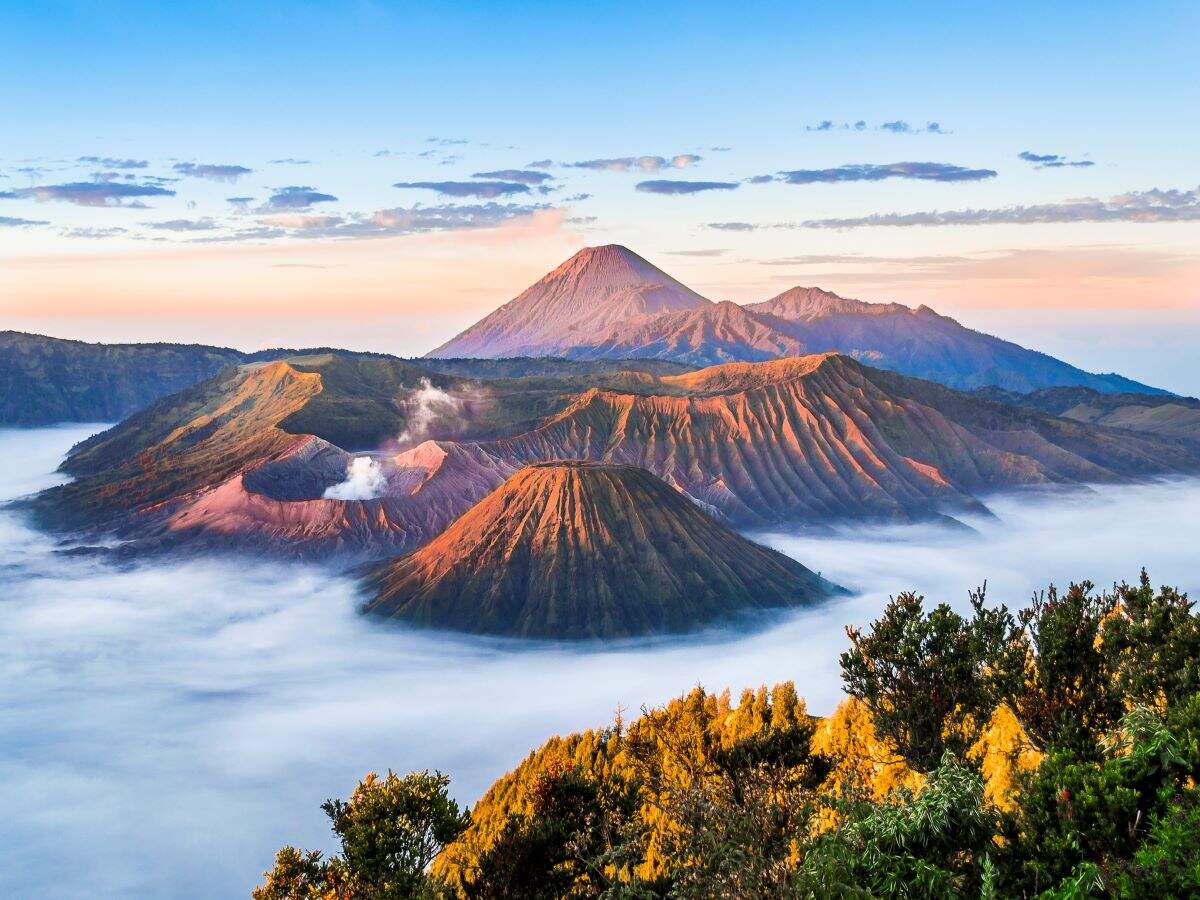
Indonesia sits directly on the Pacific Ring of Fire, a zone of intense seismic and volcanic activity.
Geological Facts:
- Over 130 active volcanoes
- Frequent earthquakes
- Volcanic soil creates fertile farmland
Famous volcanoes like Mount Bromo and Mount Merapi attract both scientists and adventure travelers.
6️⃣ Indonesia Is One of the World’s Richest Biodiversity Zones
Indonesia is classified as a mega-biodiverse country, ranking among the top globally.
Wildlife Highlights:
- Komodo dragon
- Sumatran tigers and orangutans
- Over 3,000 species of fish
Its rainforests are often called the “lungs of the planet,” though conservation remains a critical challenge.
7️⃣ Over 700 Languages Are Spoken in Indonesia

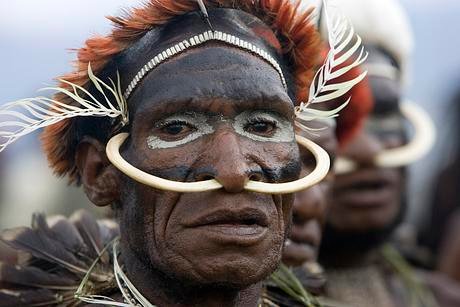
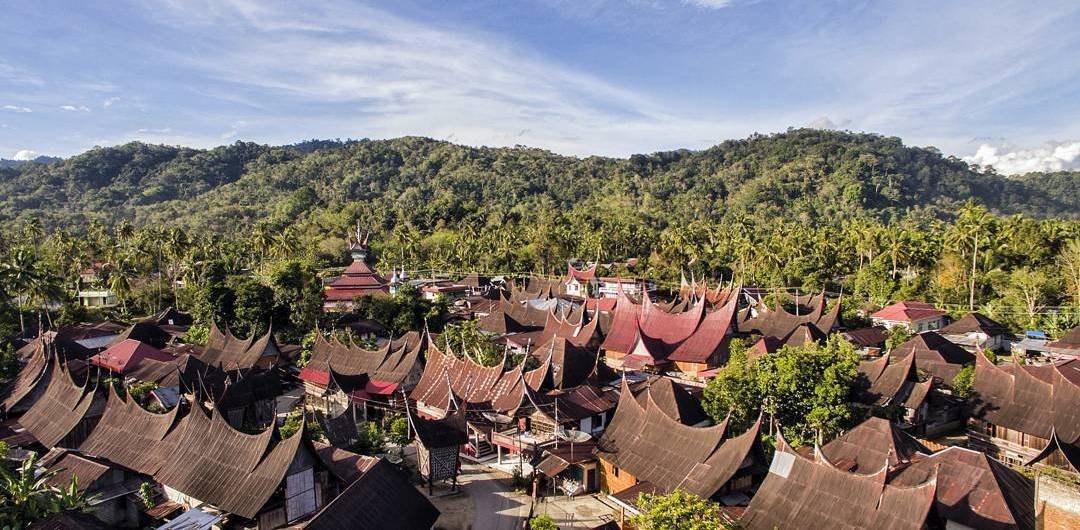
Indonesia is one of the most linguistically diverse countries on Earth.
️Language Facts:
- Bahasa Indonesia is the national language
- 700+ regional and indigenous languages
- Many languages are endangered
The national language plays a key role in unifying such a diverse population.
8️⃣ Indonesia Is Home to Ancient World Wonders
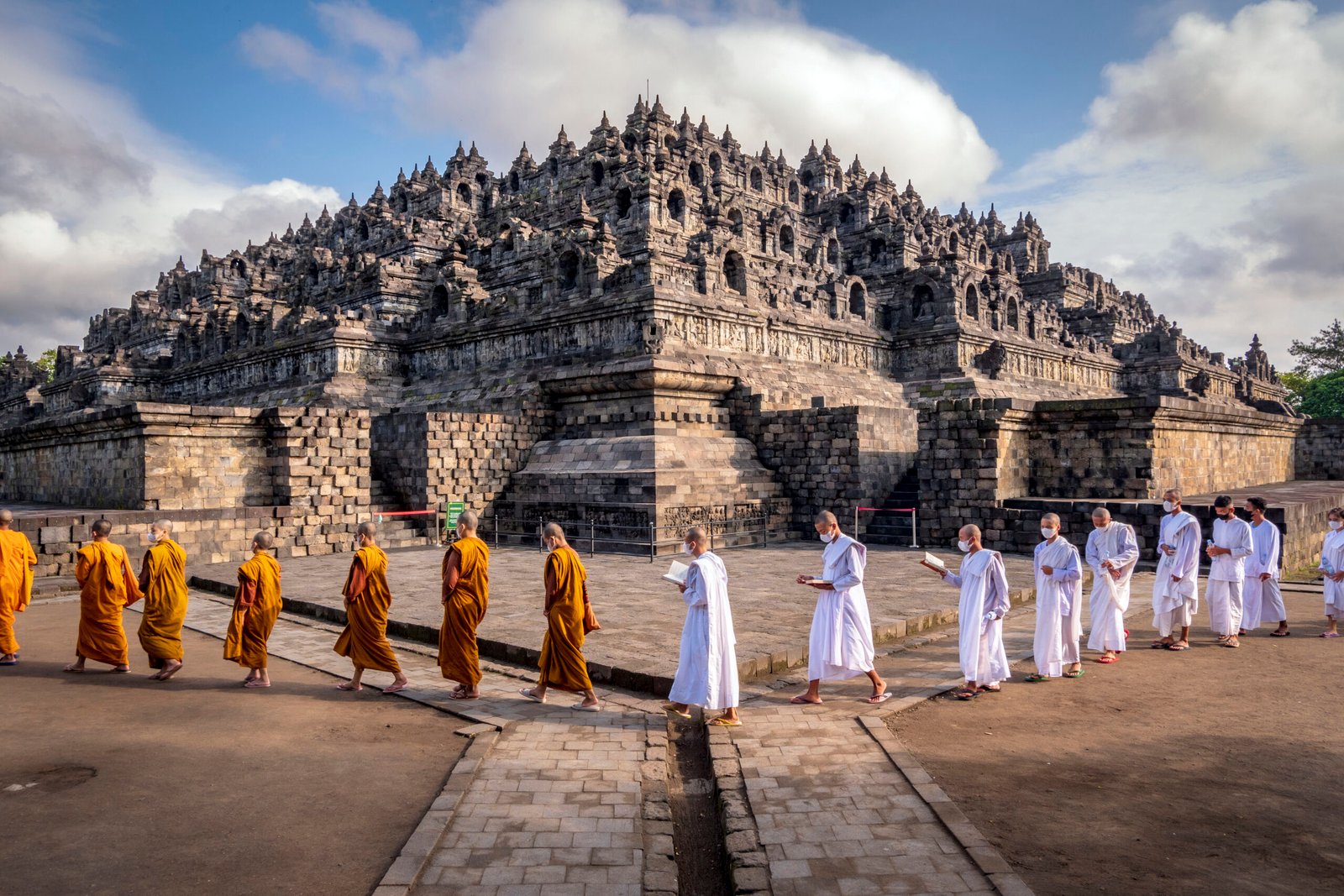
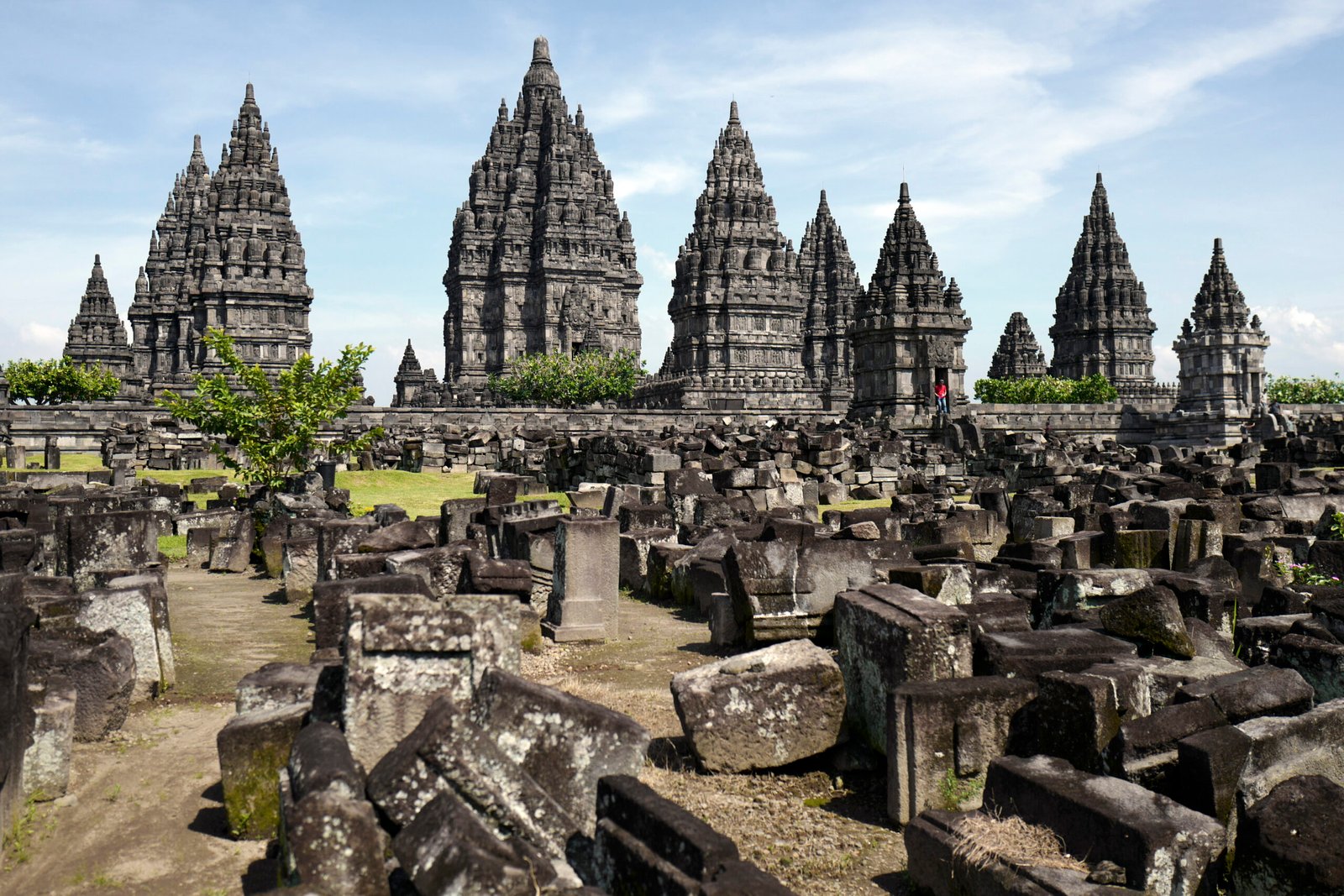
Indonesia hosts some of the most important ancient monuments in Southeast Asia.
️ Iconic Sites:
- Borobudur – World’s largest Buddhist temple
- Prambanan – A Hindu architectural masterpiece
These UNESCO World Heritage Sites reflect Indonesia’s deep spiritual and historical roots.
9️⃣ Jakarta Is One of the World’s Fastest-Growing Megacities

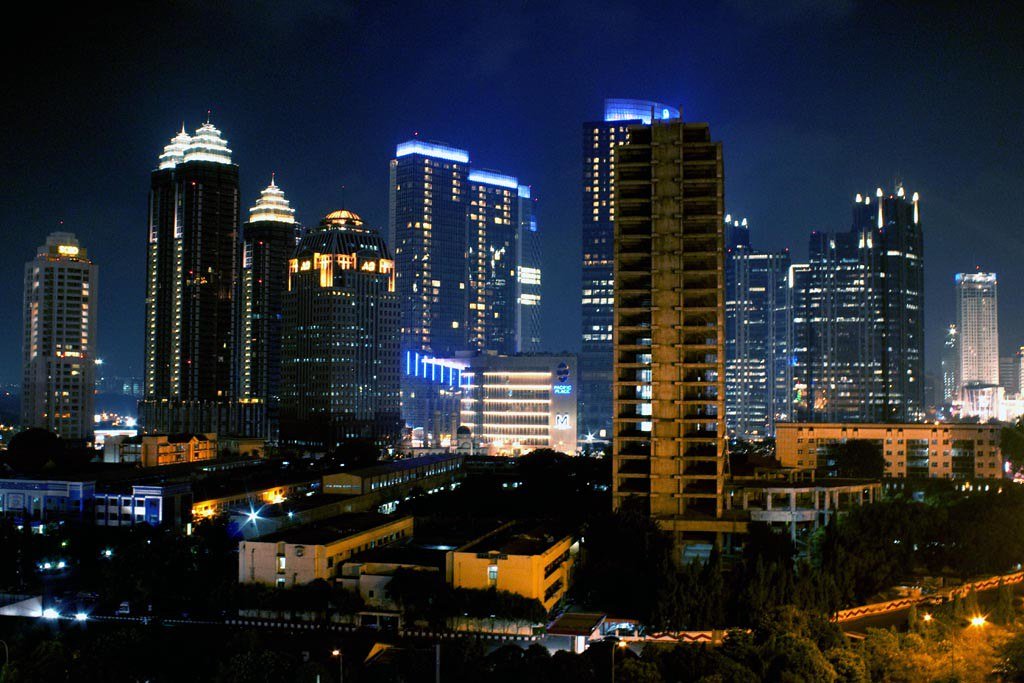
Jakarta is a city of contrasts—luxury malls beside traditional markets, skyscrapers alongside kampungs.
️ City Facts:
- Population over 10 million
- Economic hub of Indonesia
- Facing challenges like flooding and congestion
Indonesia is even planning a new capital city to reduce Jakarta’s burden.
🔟 Indonesian Cuisine Is Incredibly Diverse

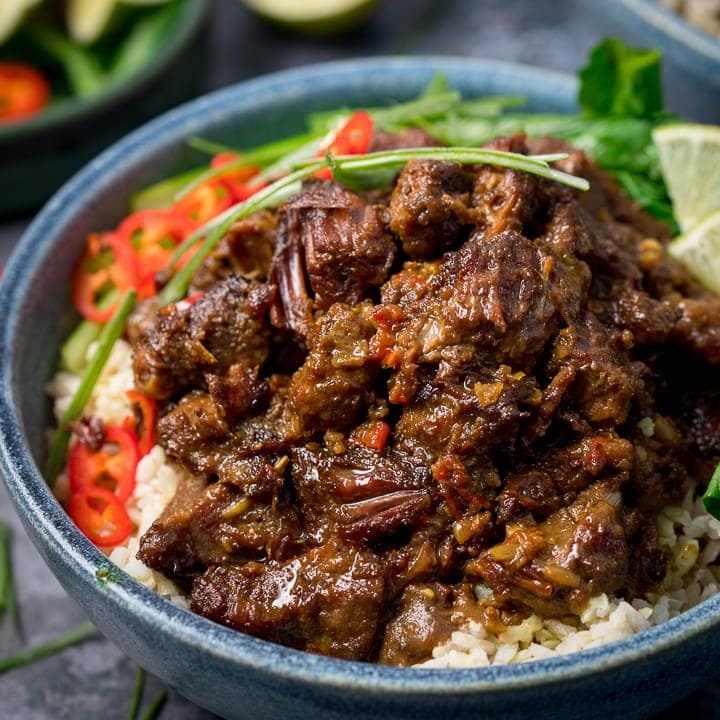

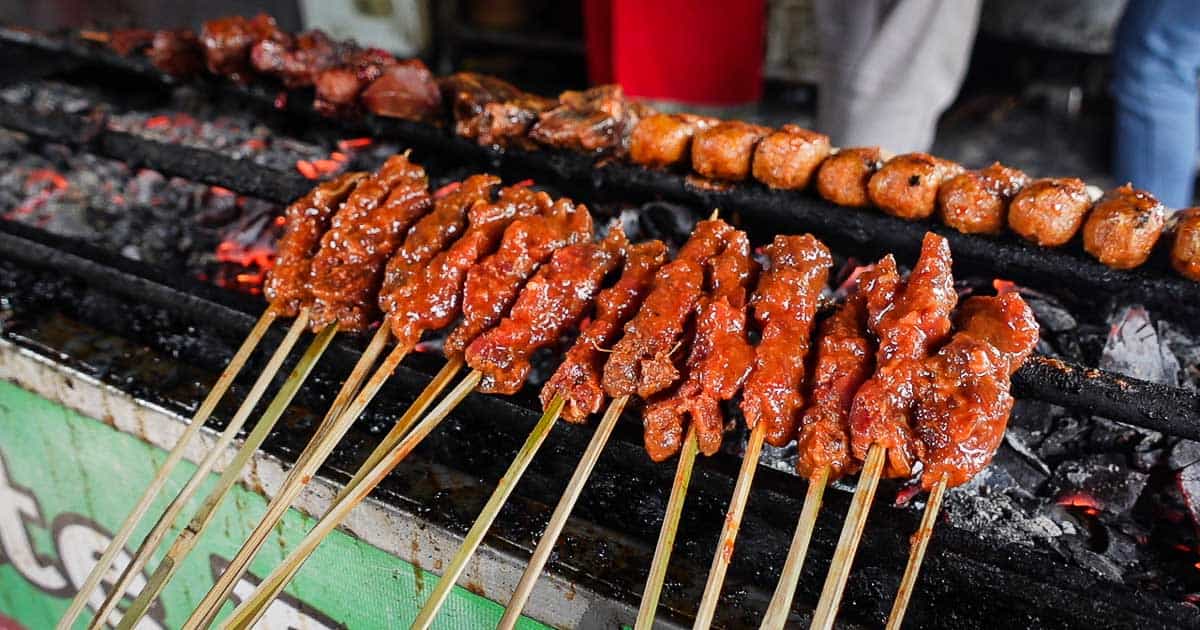
Indonesian food reflects its cultural diversity—bold flavors, aromatic spices, and regional variations.
️ Must-Try Dishes:
- Nasi Goreng – National fried rice
- Rendang – World-famous slow-cooked beef
- Satay – Skewered grilled meat
- Sambal – Fiery chili sauce
Each region offers its own specialties, making Indonesia a paradise for food lovers.
Final Thoughts: Why Indonesia Truly Stands Out
Indonesia is not just big—it’s deeply diverse, culturally rich, geographically dramatic, and historically profound. Few countries can match its blend of natural beauty, spiritual heritage, and living traditions.
Whether you’re planning a trip, writing a school project, or simply exploring the world from home, Indonesia promises endless discovery.
FAQs About Indonesia:
1. Why is Indonesia famous around the world?
Indonesia is famous for being the world’s largest archipelago, its stunning islands like Bali, rich cultural diversity, ancient temples such as Borobudur, unique wildlife including Komodo dragons, and its vibrant traditions, cuisine, and natural beauty.
2. How many islands does Indonesia have?
Indonesia has over 17,000 islands, making it the largest island country in the world. Around 6,000 of these islands are inhabited, while the rest remain untouched or sparsely populated.
3. What is Indonesia best known for culturally?
Indonesia is best known for its cultural diversity, with more than 1,300 ethnic groups, traditional dances, batik textiles, indigenous rituals, and a strong philosophy of unity known as Bhinneka Tunggal Ika (Unity in Diversity).
4. Is Indonesia a Muslim country?
Indonesia is not an Islamic country, but it has the largest Muslim population in the world. The nation officially recognizes multiple religions and is known for its religious tolerance and coexistence.
5. What makes Indonesia geographically unique?
Indonesia is geographically unique because it lies between two continents (Asia and Australia) and two oceans (Indian and Pacific). It is also located on the Pacific Ring of Fire, resulting in frequent volcanic and seismic activity.
6. How many active volcanoes are in Indonesia?
Indonesia has over 130 active volcanoes, more than any other country in the world. These volcanoes contribute to fertile soil, dramatic landscapes, and frequent natural phenomena such as eruptions and earthquakes.
7. Why is Indonesia considered a biodiversity hotspot?
Indonesia is considered a biodiversity hotspot because it hosts thousands of plant and animal species, many of which are found nowhere else on Earth. Its rainforests, coral reefs, and marine ecosystems are among the richest globally.
8. What languages are spoken in Indonesia?
Indonesia has more than 700 living languages. While Bahasa Indonesia is the official national language, hundreds of regional and indigenous languages are spoken across different islands.
9. What are the most famous historical sites in Indonesia?
Some of the most famous historical sites in Indonesia include Borobudur, the world’s largest Buddhist temple, and Prambanan, a grand Hindu temple complex. Both are UNESCO World Heritage Sites.
10. What food is Indonesia famous for?
Indonesia is famous for flavorful dishes such as Nasi Goreng, Rendang, Satay, and spicy Sambal. Indonesian cuisine varies widely by region and is known for its bold spices and rich taste.
11. Is Indonesia a good country for tourism?
Yes, Indonesia is one of the top travel destinations in the world, offering beaches, mountains, jungles, cultural festivals, wildlife, spiritual retreats, and affordable travel experiences for all types of travelers.
12. What is the capital of Indonesia?
The current capital of Indonesia is Jakarta, a major economic and cultural hub. However, the country is developing a new capital city to reduce overcrowding and environmental stress in Jakarta.
13. What is the best time to visit Indonesia?
The best time to visit Indonesia is during the dry season, from April to October, when the weather is ideal for sightseeing, beaches, and outdoor activities.
14. Why is Indonesia important globally?
Indonesia is globally important due to its strategic location, large population, economic influence in Southeast Asia, natural resources, and its role in global biodiversity and climate balance.
15. What makes Indonesia different from other countries?
Indonesia stands out for combining extreme cultural diversity, thousands of islands, ancient civilizations, modern megacities, unique wildlife, and deep spiritual traditions—all within one nation.