Mexico is far more than beaches, tacos, and ancient ruins. It’s a country of deep contrasts, mind-blowing history, vibrant traditions, and global influence that reaches far beyond its borders. From ancient civilizations that mastered astronomy to modern cities built on top of lakes, Mexico is packed with fascinating facts that surprise even seasoned travelers.
In this carefully prepared, in-depth guide, we explore the top 10 interesting facts about Mexico, diving into history, culture, geography, cuisine, language, and global impact. Whether you’re a traveler, student, blogger, or simply curious, this article will give you a richer understanding of one of the world’s most captivating countries.
1. Mexico Is Home to One of the World’s Oldest Civilizations

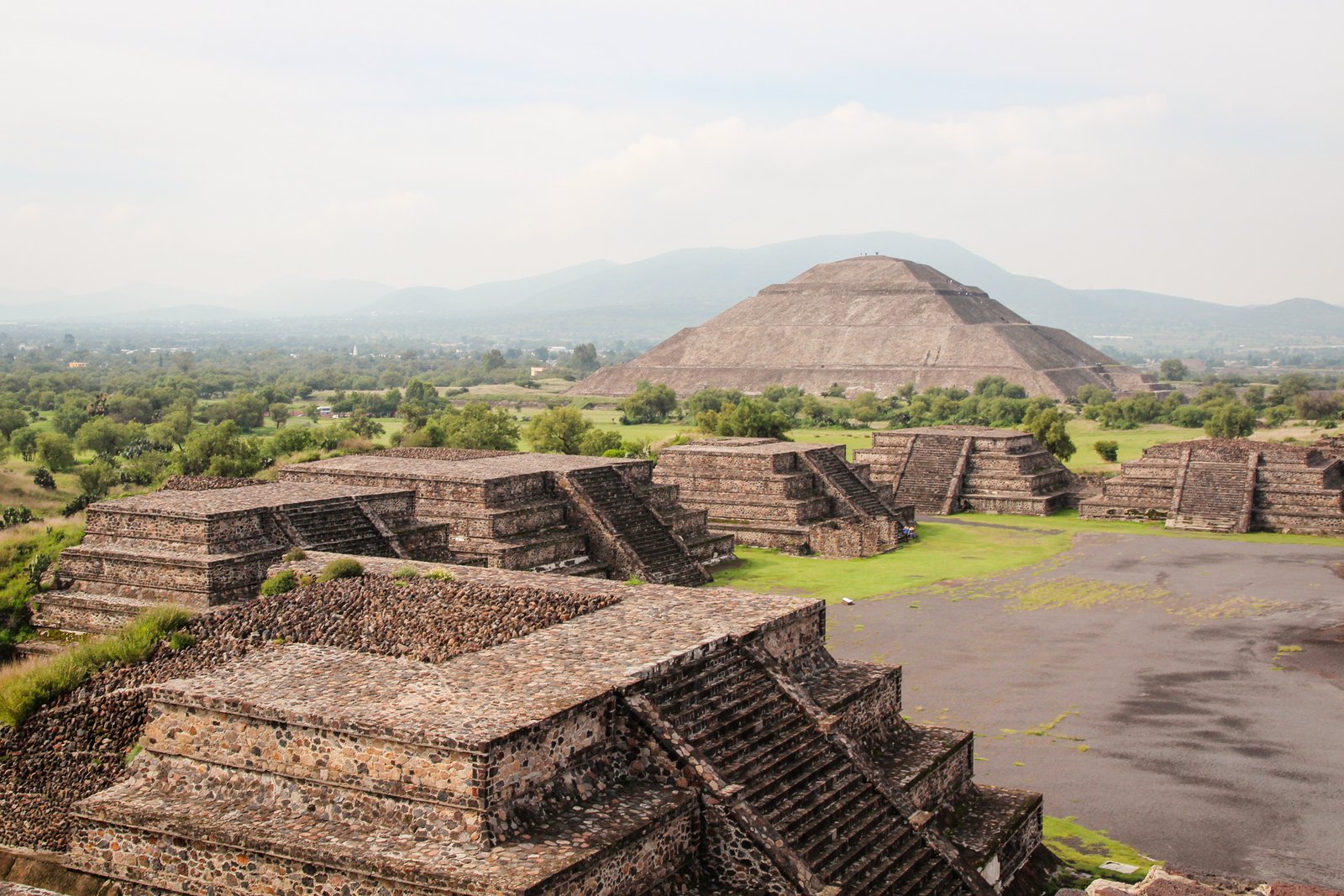
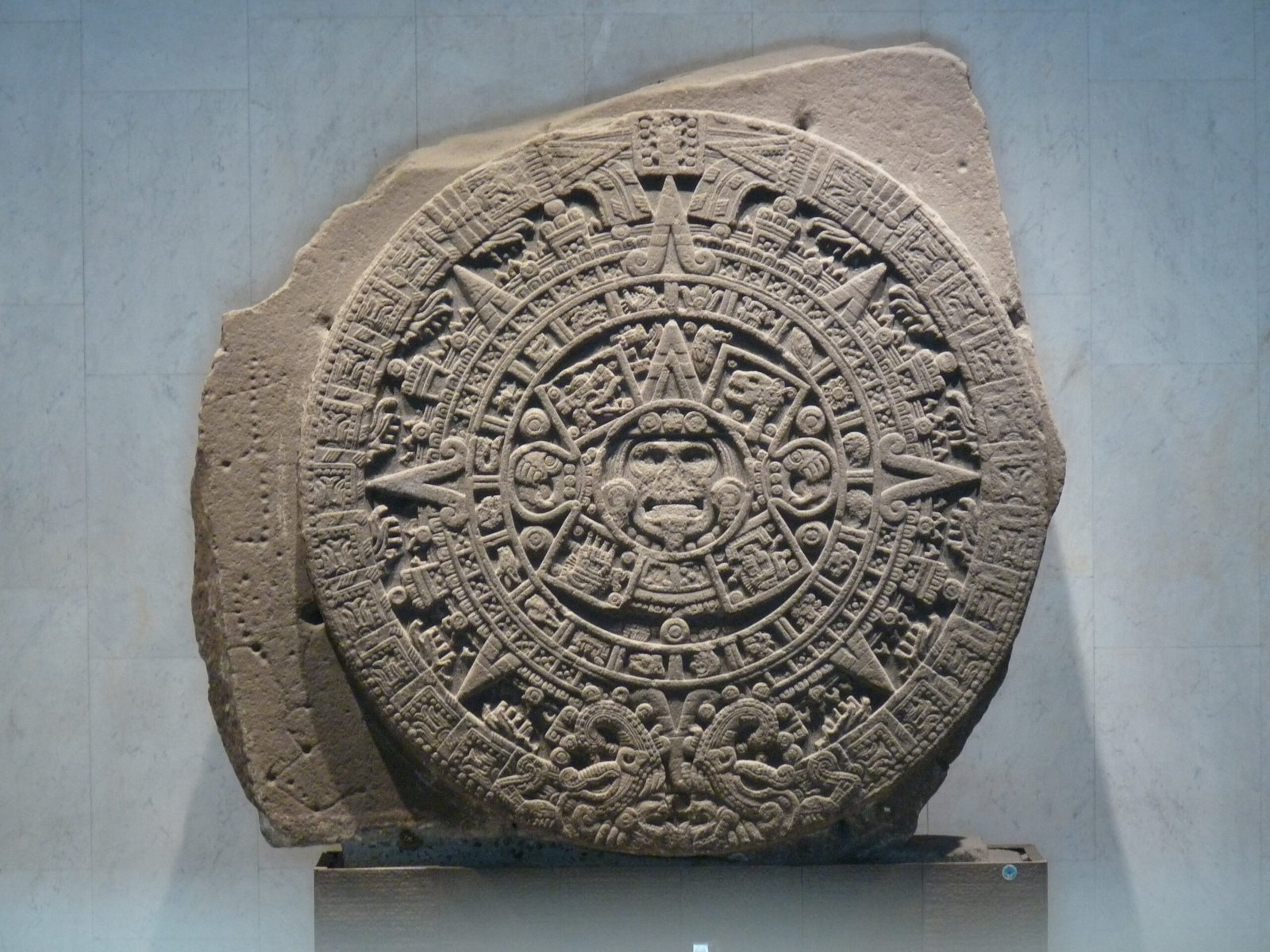
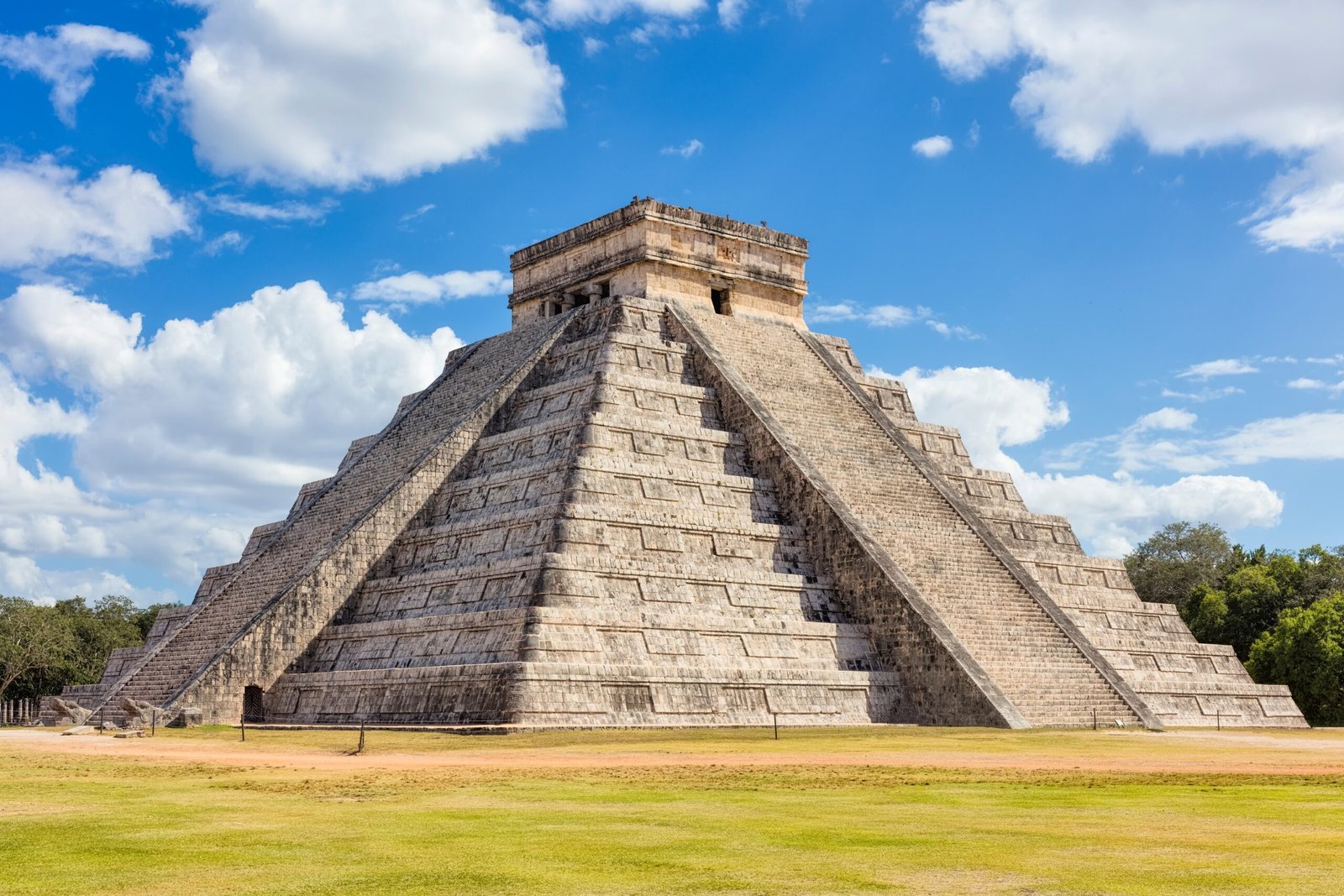
Mexico is one of the cradles of human civilization, with complex societies thriving thousands of years before many parts of the world developed urban cultures.
Ancient Civilizations of Mexico
Some of the most influential ancient civilizations originated in Mexico:
- The Olmecs (c. 1500 BCE) – Often called the “mother civilization” of Mesoamerica
- The Maya – Renowned for advanced astronomy, mathematics, and writing
- The Aztecs (Mexica) – Builders of powerful cities and vast empires
These civilizations developed:
- Sophisticated calendars more accurate than many European systems
- Monumental architecture and pyramids
- Advanced agricultural techniques like chinampas (floating gardens)
One of the most famous ancient sites is Chichén Itzá, a UNESCO World Heritage Site and one of the New Seven Wonders of the World.
Interesting fact: The Maya independently invented the concept of zero—an achievement that few ancient civilizations accomplished.
2. Mexico City Is Built on an Ancient Lake

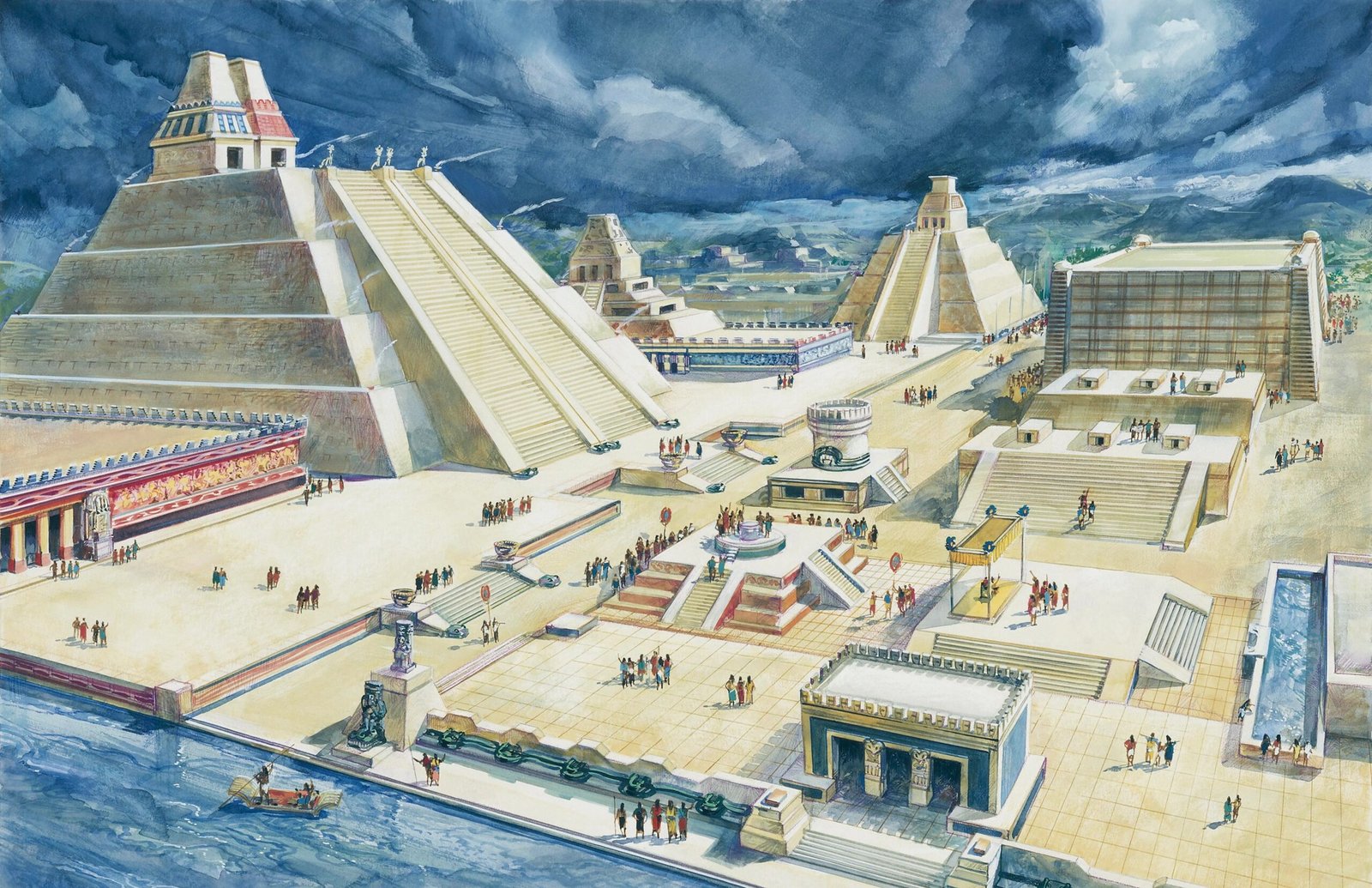

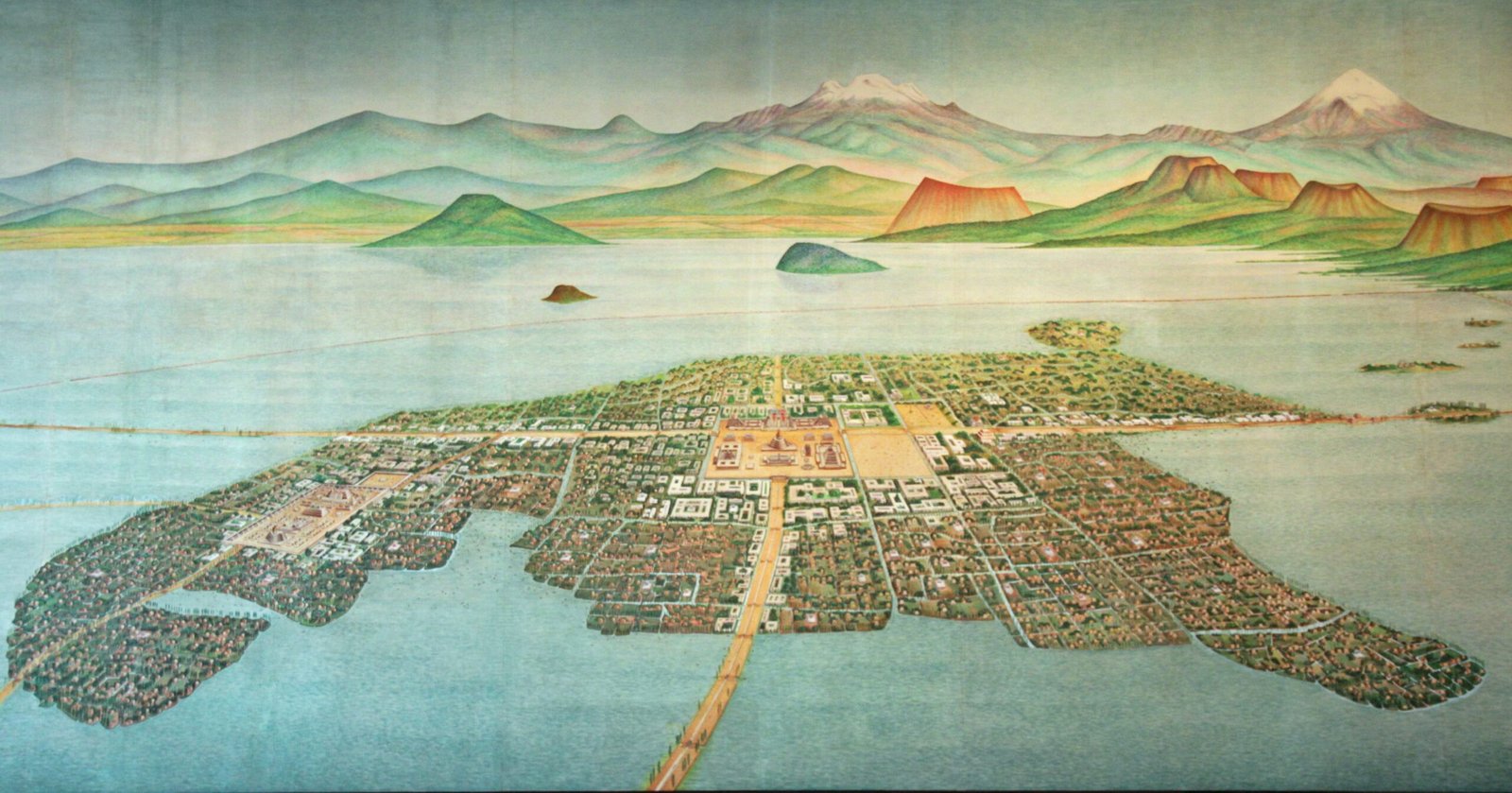
Modern Mexico City stands on the ruins of Tenochtitlán, the former Aztec capital built on Lake Texcoco.
Why This Is Extraordinary
- Tenochtitlán was founded in 1325 and rivaled European cities in size
- It featured canals, causeways, aqueducts, and floating farms
- Spanish conquistadors drained the lake after conquest
A City That Is Slowly Sinking
Because the city rests on soft lakebed soil:
- Mexico City sinks up to 50 cm (20 inches) per year in some areas
- Buildings tilt, roads crack, and infrastructure requires constant repair
Despite this challenge, Mexico City remains:
- One of the largest metropolitan areas in the world
- A global hub of culture, finance, art, and cuisine
3. Mexico Has the Most UNESCO World Heritage Sites in the Americas
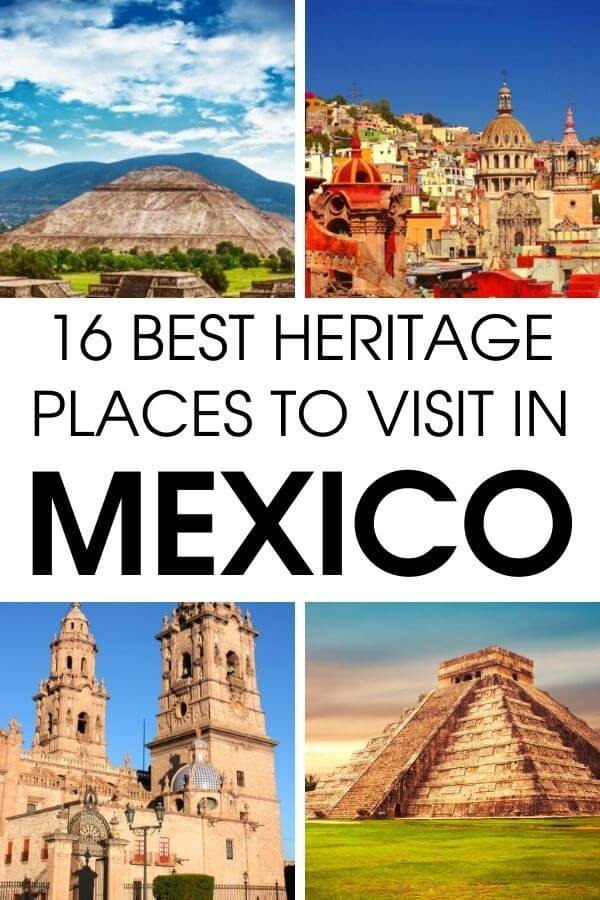
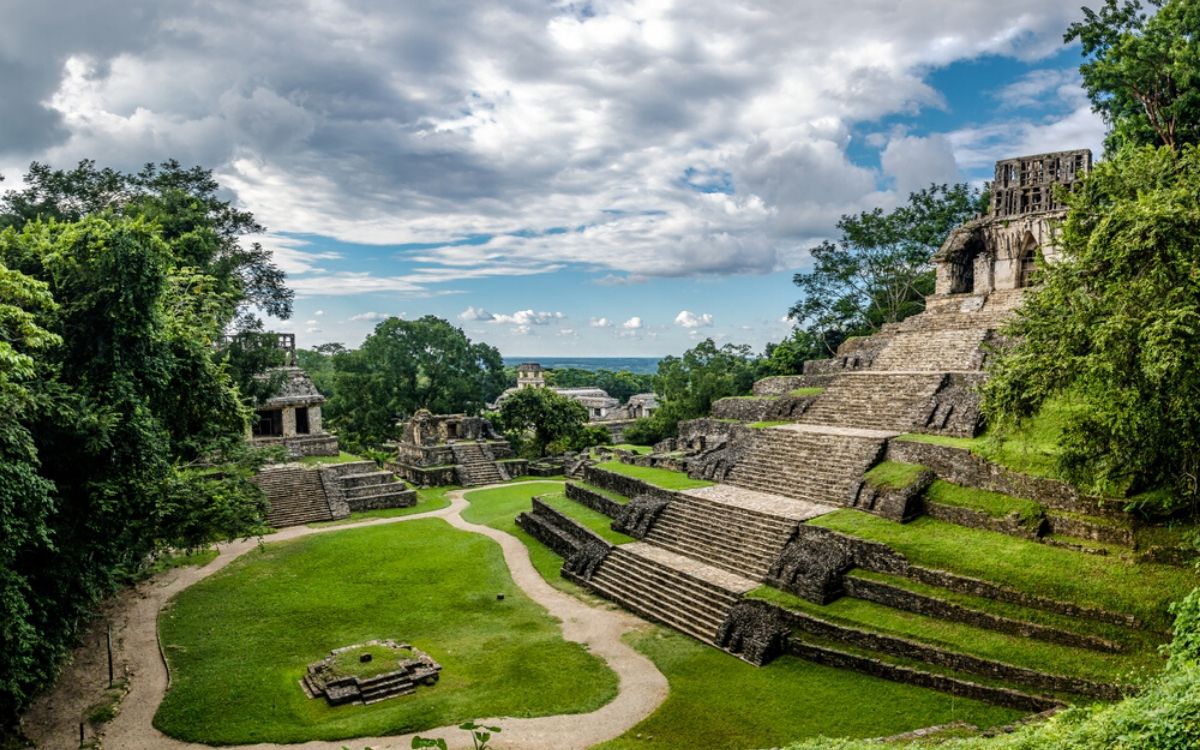
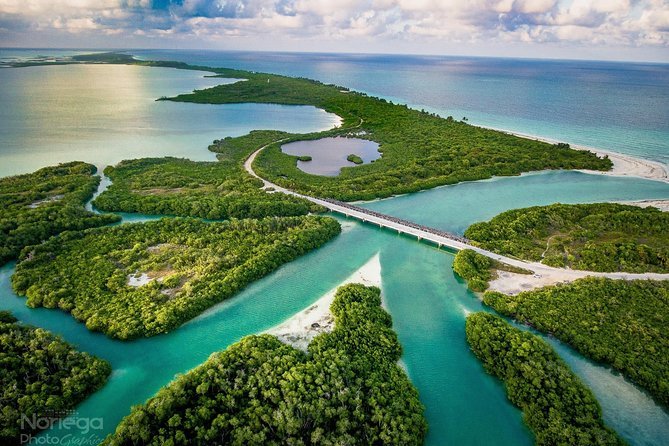
Mexico is a cultural and natural treasure trove, with 35 UNESCO World Heritage Sites, the highest number in the Americas and among the top worldwide.
Types of UNESCO Sites in Mexico
- Cultural Sites: Ancient cities, colonial towns, historic centers
- Natural Sites: Biosphere reserves, deserts, marine ecosystems
- Mixed Sites: Places combining natural beauty and cultural heritage
Famous examples include:
- Historic Centre of Mexico City
- Palenque
- Sian Ka’an Biosphere Reserve
SEO tip: Mexico’s UNESCO sites make it one of the world’s top cultural tourism destinations.
4. Chocolate, Corn, and Chili Peppers Originated in Mexico


Some of the world’s most essential foods were first cultivated in Mexico.
Mexican Contributions to Global Cuisine
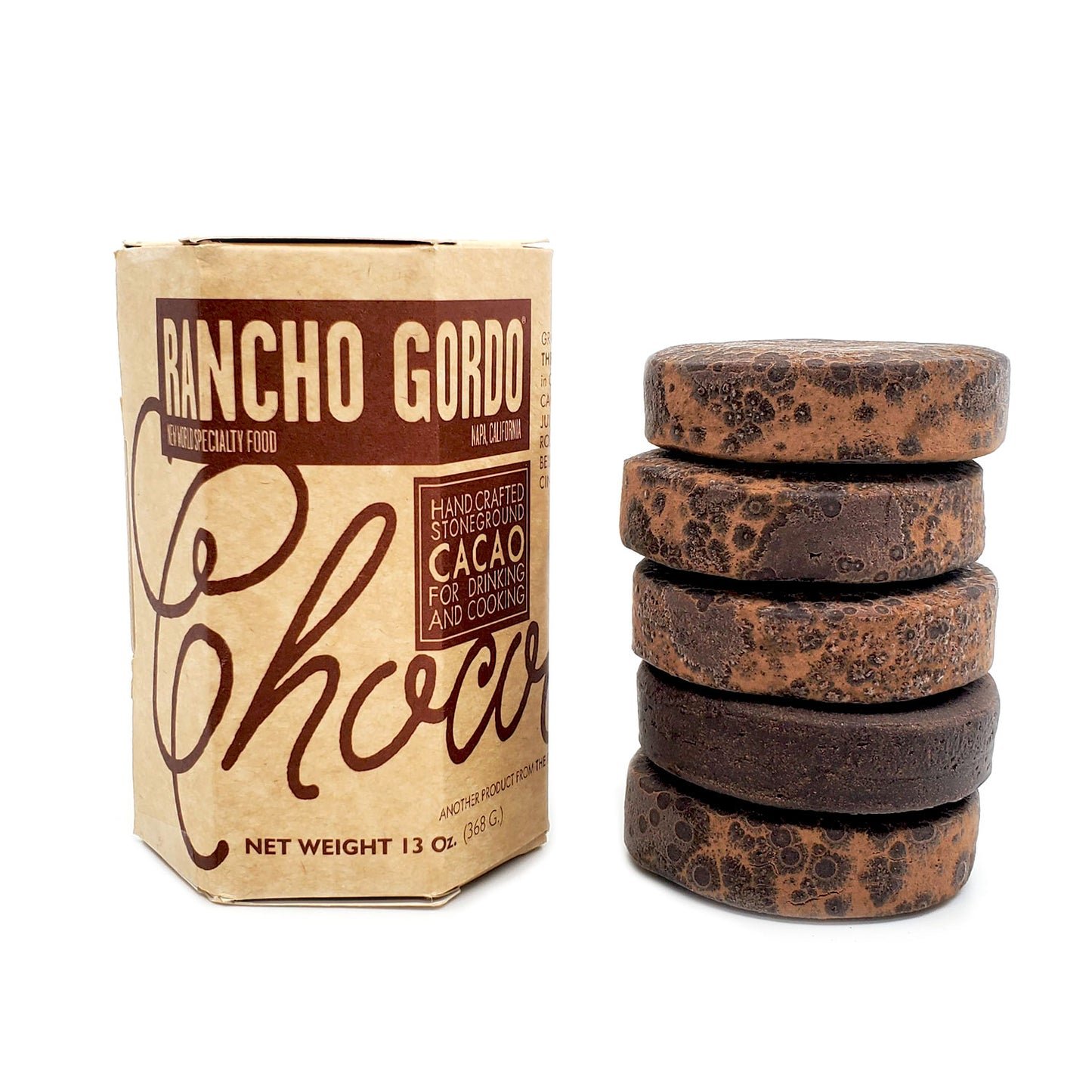
- Chocolate (Cacao): Used by the Maya and Aztecs in sacred rituals
- Corn (Maize): A staple crop that feeds billions worldwide
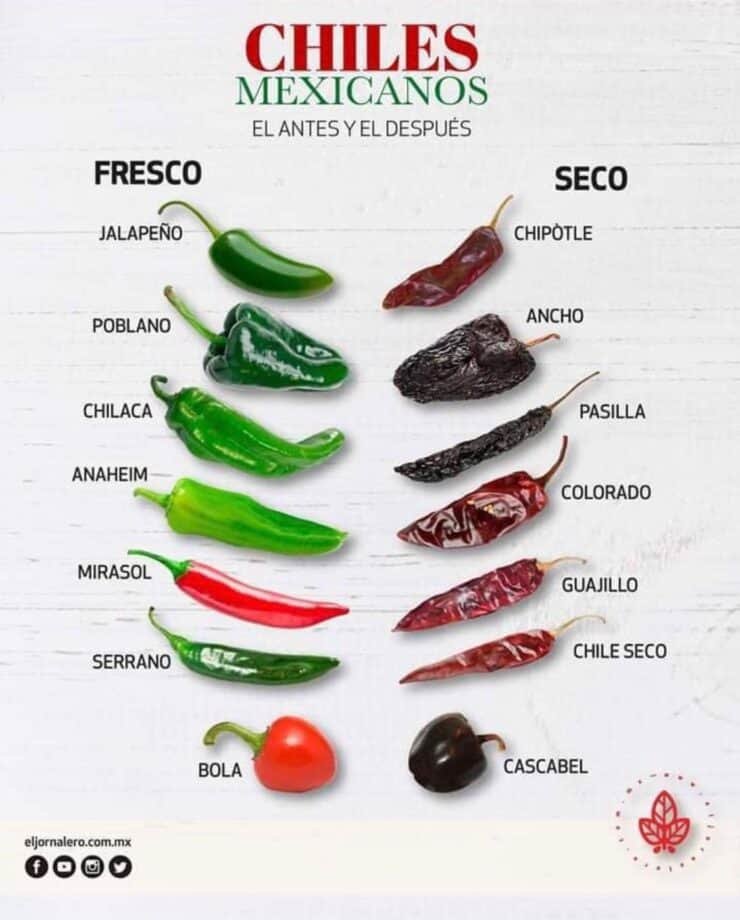
- Chili Peppers: Over 60 native varieties originated in Mexico
Ancient Mexicans didn’t eat chocolate sweet—it was:
- Bitter
- Spiced with chili
- Considered a divine drink
Today, Mexican cuisine is recognized by UNESCO as an Intangible Cultural Heritage of Humanity.
5. Mexico Has More Than 68 Indigenous Languages

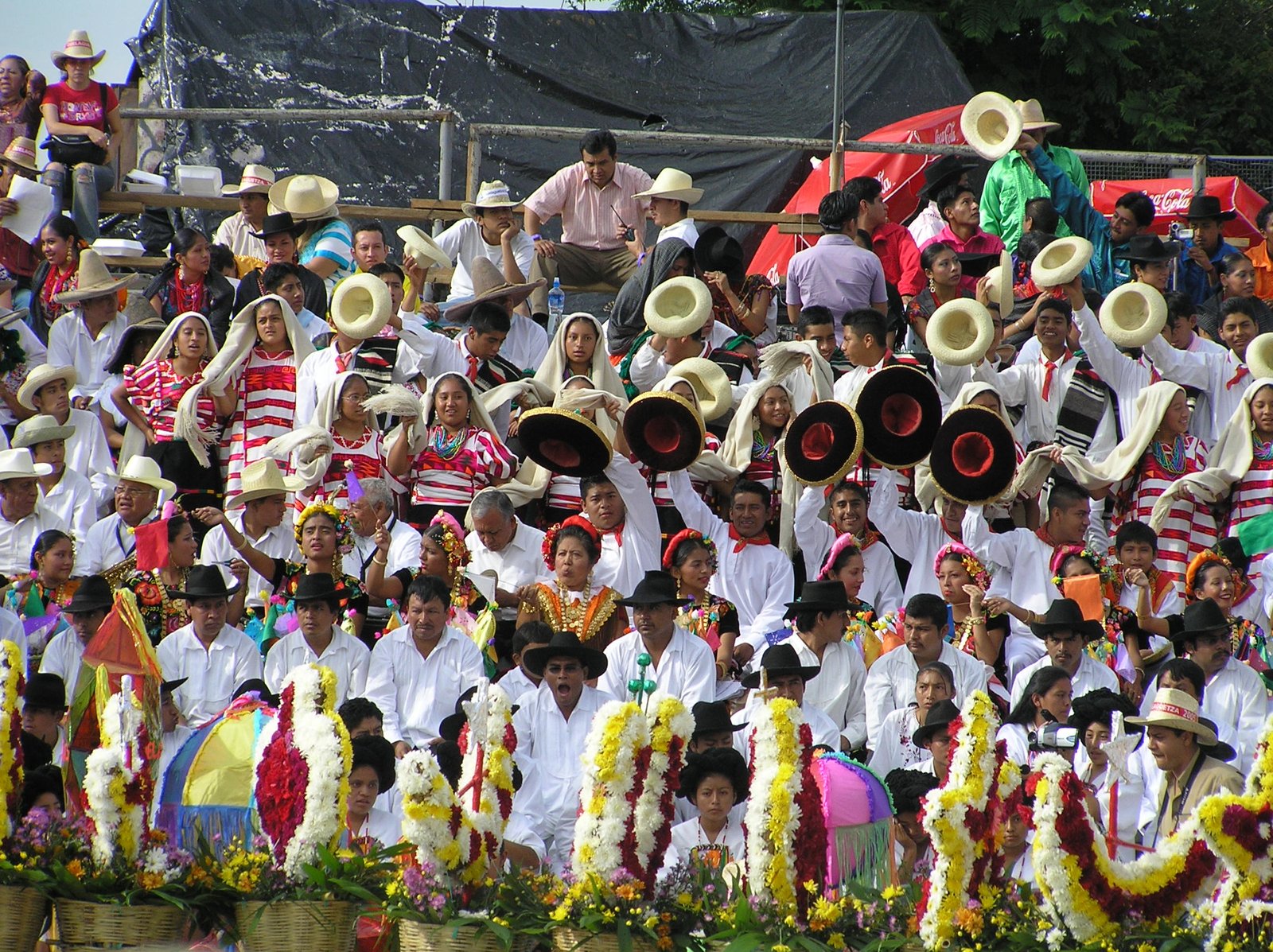
Mexico is one of the most linguistically diverse countries in the world.
Language Diversity Facts
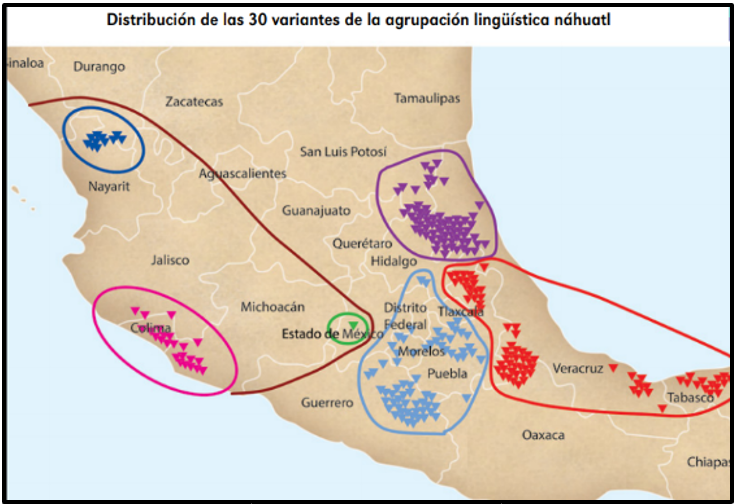
- Over 68 indigenous languages
- More than 360 dialects
- Around 7 million people speak an indigenous language
Major indigenous languages include:
- Nahuatl
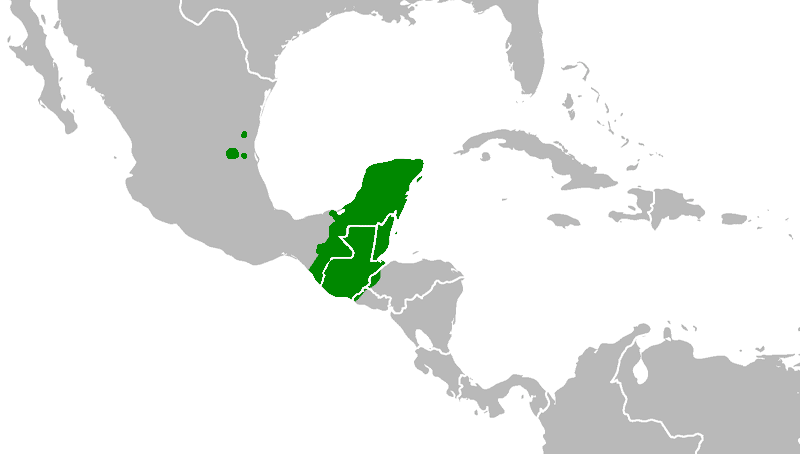
- Maya
- Mixtec
- Zapotec
- Otomi
These languages are legally recognized as national languages, equal in status to Spanish.
Fun fact: Many English words come from Nahuatl, including chocolate, tomato, avocado, and coyote.
6. Mexico Celebrates Death as a Part of Life
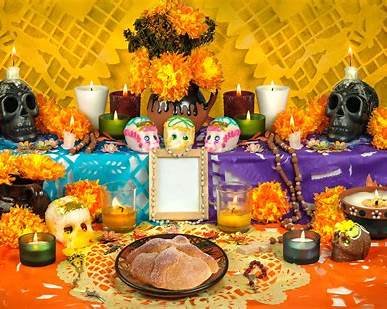
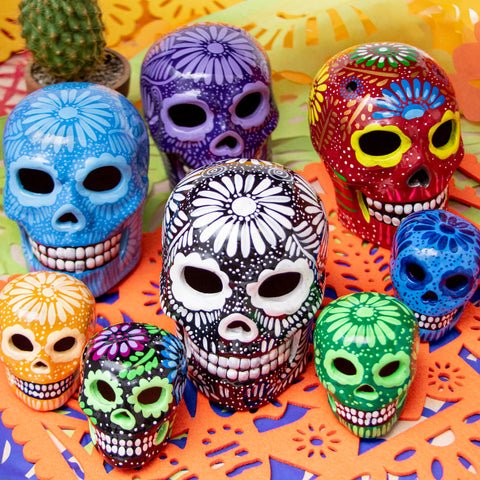
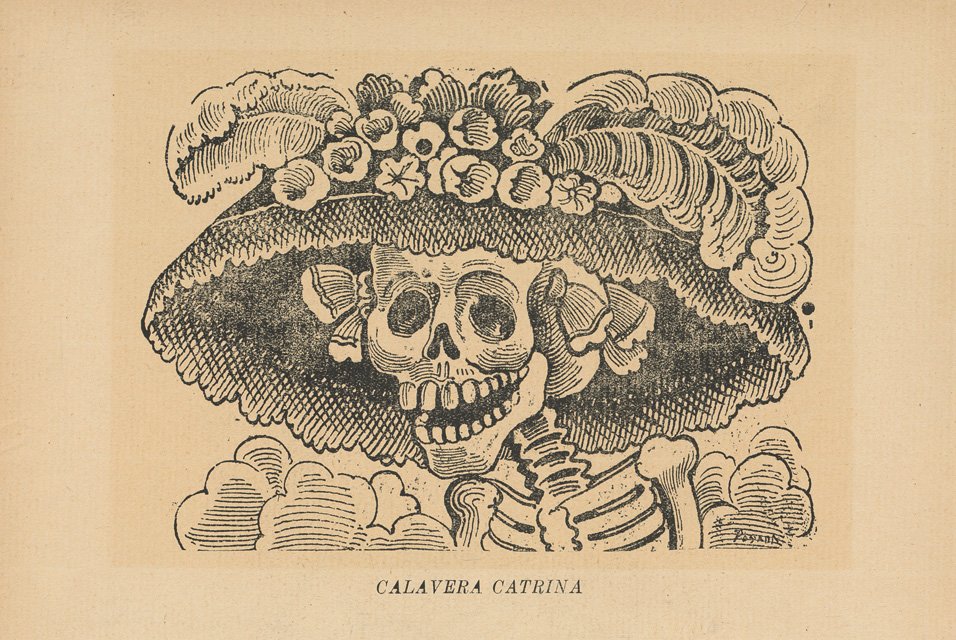
Mexico’s Day of the Dead (Día de los Muertos) is one of the world’s most unique traditions.
What Makes It Special
- Celebrated on November 1–2
- Honors deceased loved ones with joy, not sorrow
- Combines indigenous beliefs with Catholic traditions
Families build ofrendas (altars) featuring:
- Photos of the dead
- Favorite foods and drinks
- Marigold flowers
- Candles and sugar skulls
UNESCO recognizes Día de los Muertos as an Intangible Cultural Heritage of Humanity.
7. Mexico Is One of the World’s “Megadiverse” Countries

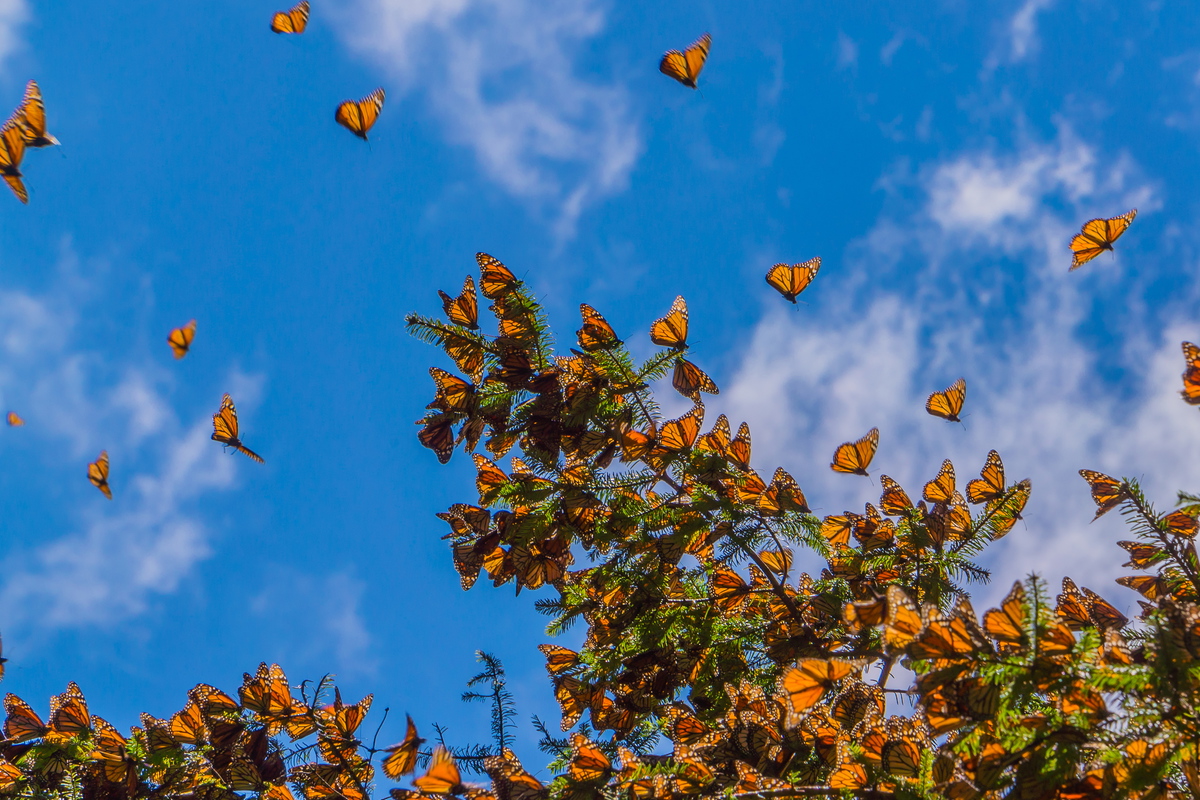

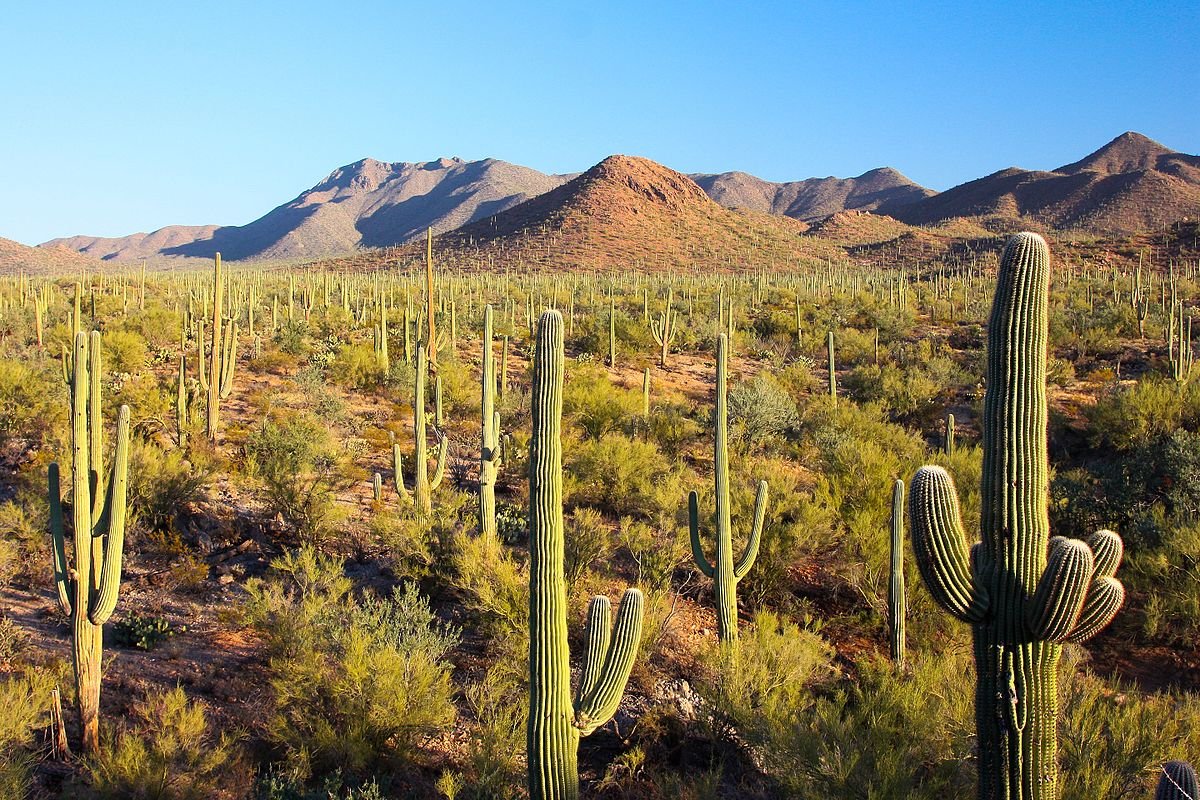
Mexico is among the 17 megadiverse countries on Earth.
Biodiversity Highlights
- 200,000+ species of plants and animals
- Top 5 worldwide in reptile diversity
- Home to jaguars, monarch butterflies, whales, and coral reefs
The Monarch Butterfly Migration to central Mexico is one of nature’s greatest spectacles.
8. Mexican Cuisine Is Far More Than Tacos


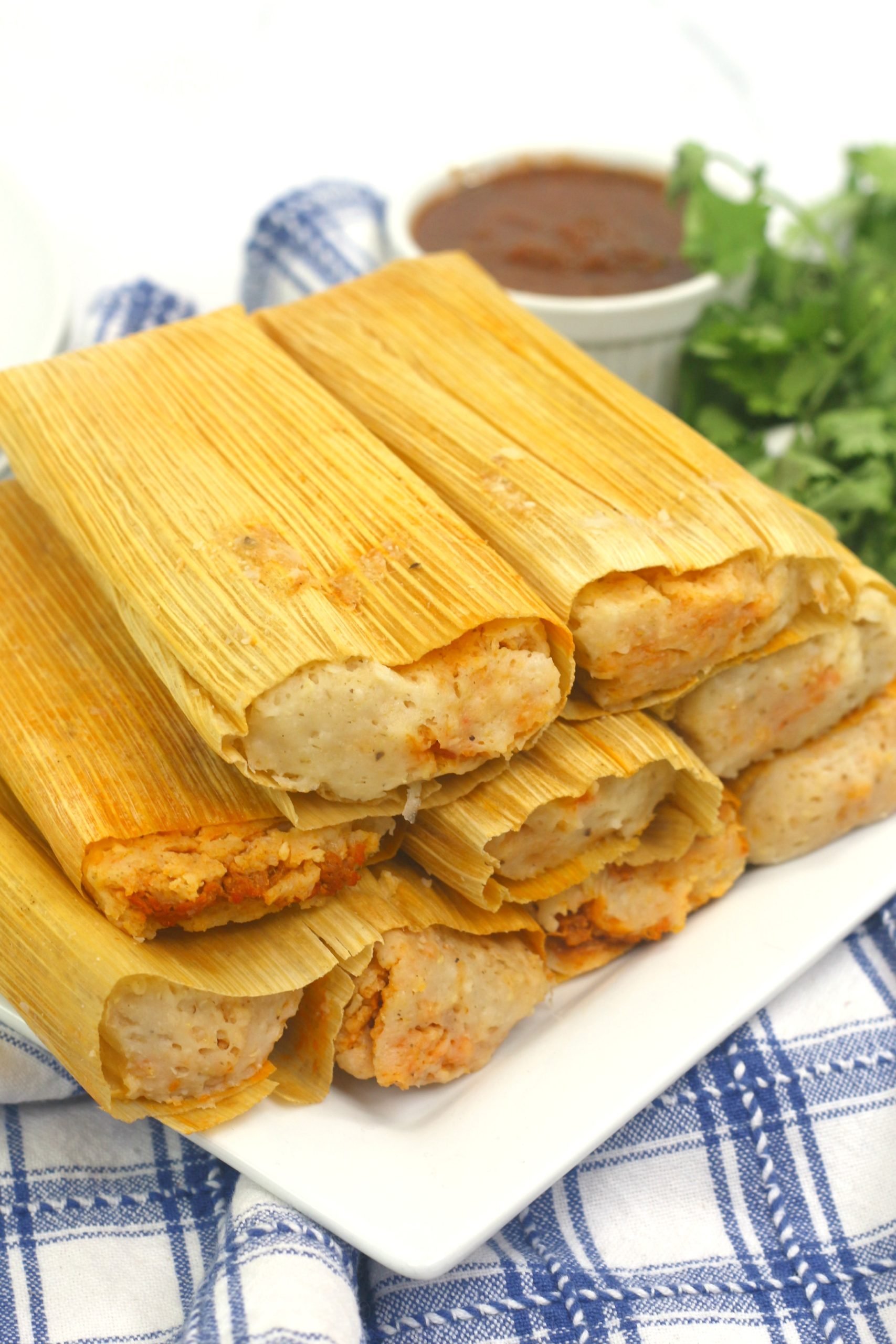
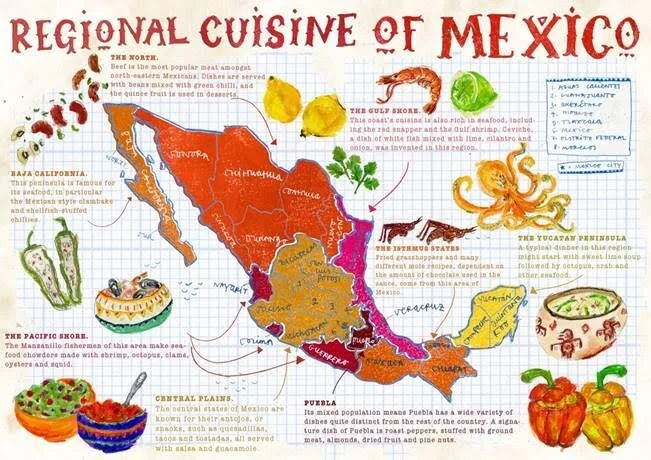
While tacos are famous, Mexican cuisine is incredibly complex.
Culinary Depth
- Over 30 varieties of mole
- Hundreds of regional dishes
- Techniques dating back thousands of years
Each region has its own identity:
- Oaxaca – moles and chocolate
- Yucatán – Mayan flavors
- Jalisco – birria and tequila
9. Mexico Is the Birthplace of Tequila and Mezcal
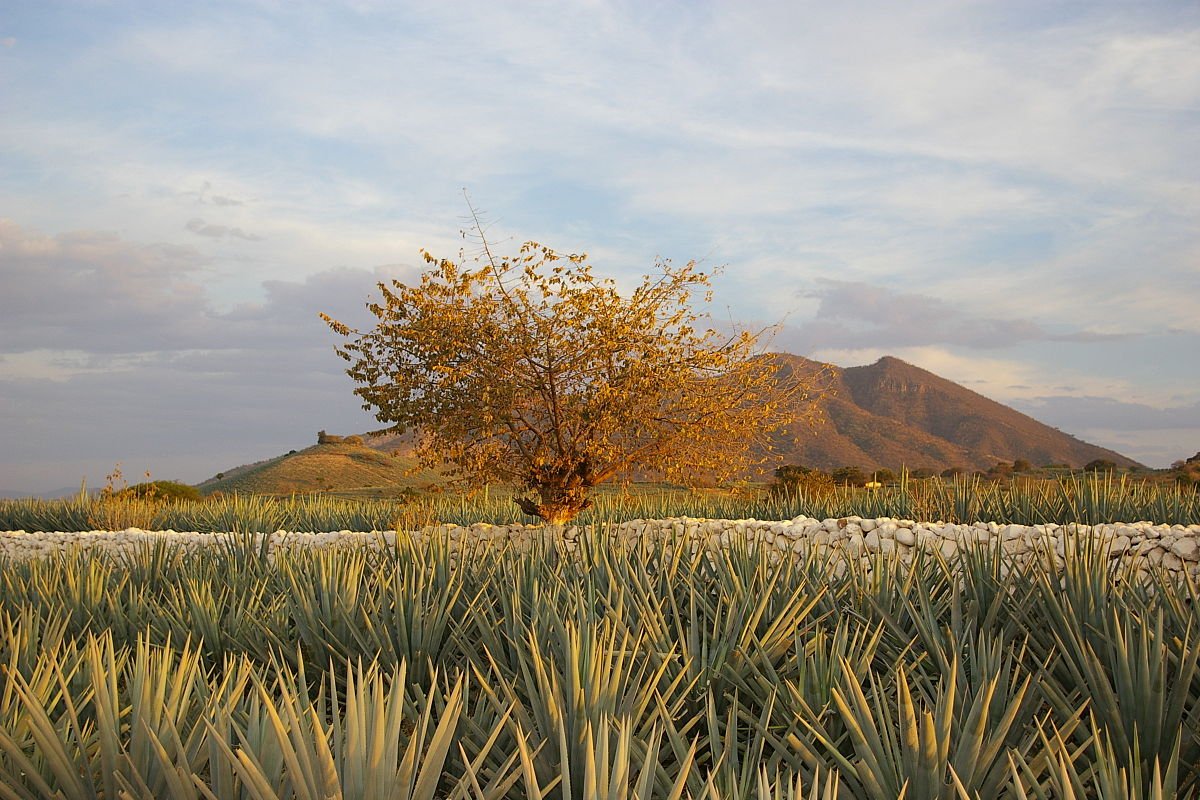

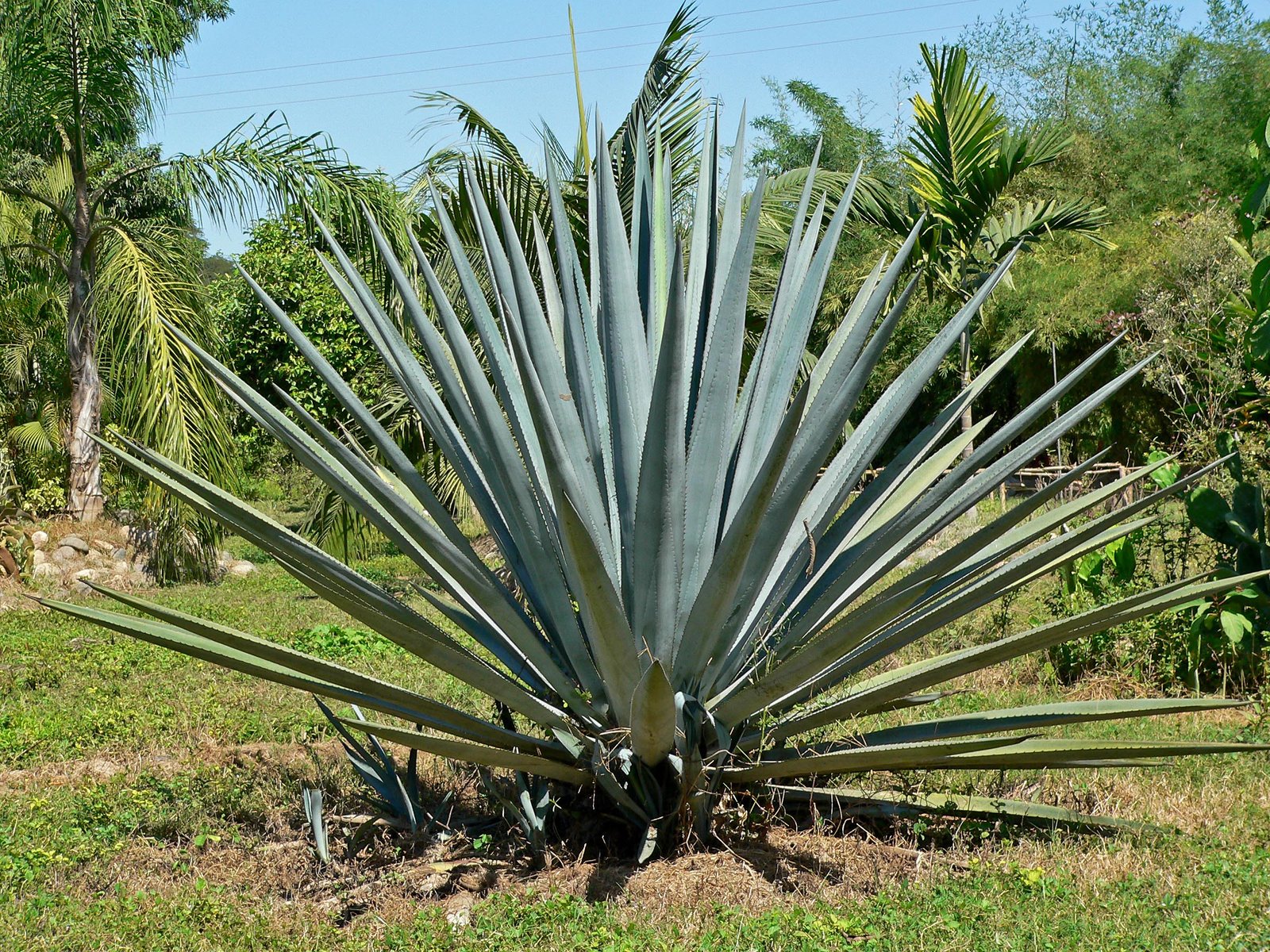

Tequila and mezcal are deeply tied to Mexican identity.
Key Differences
- Tequila: Made only from blue agave, mainly in Jalisco
- Mezcal: Made from many agave types, smoky flavor
Both spirits are protected by Denomination of Origin laws, meaning authentic versions can only be produced in specific Mexican regions.
10. Mexico Has Influenced the World More Than You Realize
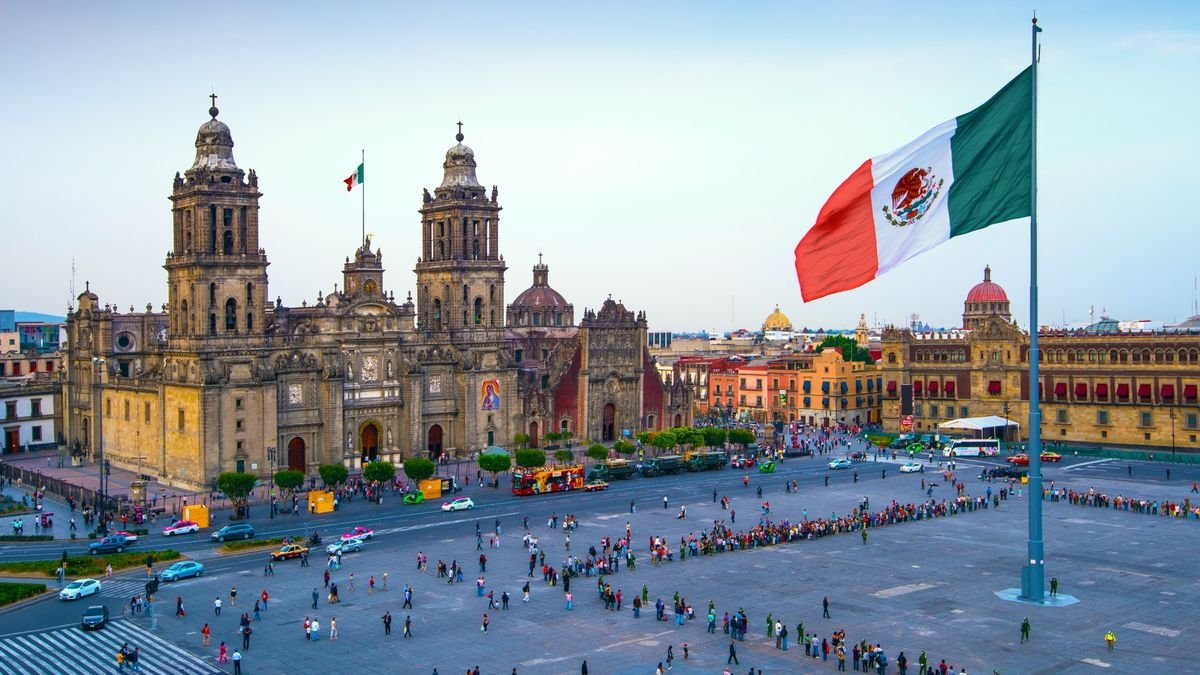
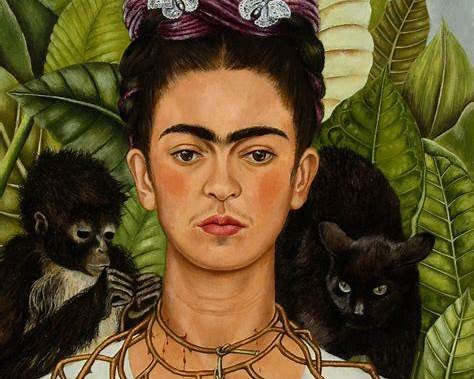

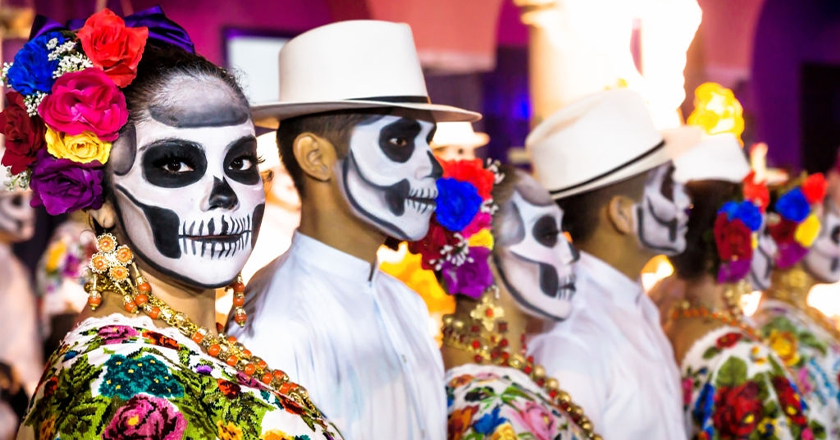
Mexico’s global influence spans art, film, food, language, and traditions.
Global Contributions
- World-renowned artists like Frida Kahlo
- Influential cinema and music
- Cultural exports such as tacos, tequila, and festivals
Mexican culture blends ancient roots with modern creativity, making it timeless and globally relevant.
Conclusion: Why Mexico Is Truly Extraordinary
Mexico is not just a destination—it’s a civilization, a living museum, and a cultural powerhouse. From ancient pyramids and linguistic diversity to global cuisine and deep traditions, Mexico continues to shape the world in ways many people don’t even realize.
Whether you’re planning a trip, writing a blog, or simply expanding your knowledge, understanding these interesting facts about Mexico reveals why it remains one of the most fascinating countries on Earth.
Quick Recap: Top 10 Interesting Facts About Mexico
- One of the world’s oldest civilizations
- Mexico City is built on a lake
- Most UNESCO sites in the Americas
- Birthplace of chocolate, corn, and chili
- 68+ indigenous languages
- Celebrates death as life
- A megadiverse country
- One of the world’s richest cuisines
- Home of tequila and mezcal
- Massive global cultural influence