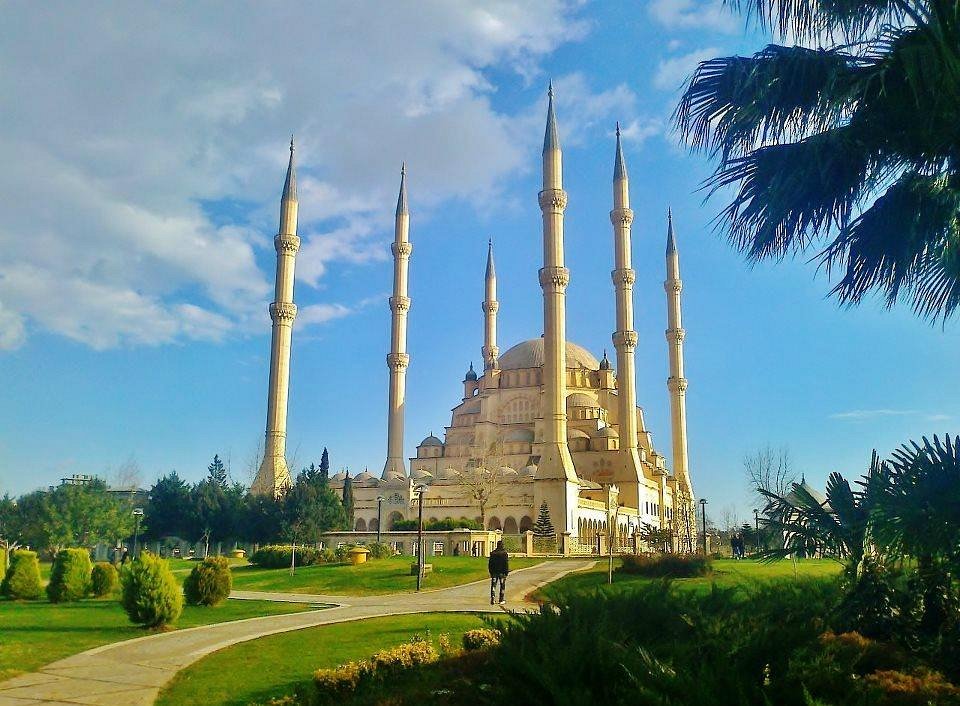
Adana is a city where millennia of history meet lively southern-Turkish culture and mouthwatering cuisine. Located on the Seyhan River in Turkey’s Çukurova plain, Adana is far more than a stopover — it’s a destination that rewards curious travellers with stunning Ottoman-style architecture, Roman engineering, leafy riverbanks and some of the country’s most famous food. This carefully prepared guide breaks down the Top 10 attractions in Adana, why each matters, what to see while you’re there, practical visiting info, and a compact 2-day itinerary so you don’t miss the highlights.
Quick snapshot (At a glance)
- Best time to visit: spring (April–June) and autumn (September–November) — pleasant temperatures and clear skies.
- Currency: Turkish Lira (TRY).
- Language: Turkish (English widely spoken in tourist areas).
- Top local dish: Adana kebabı — a must-try grilled minced meat kebab named after the city. Wikipedia
1. Sabancı Merkez Camii (Sabancı Central Mosque) — the city’s modern icon
Why visit
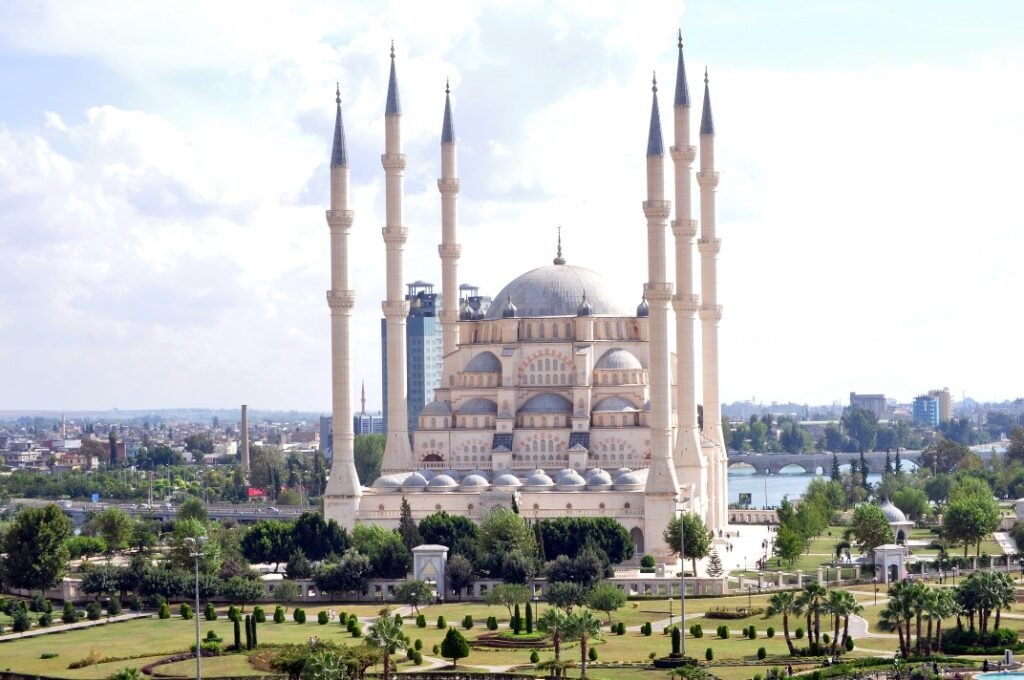
This monumental neo-Ottoman mosque dominates the Seyhan riverbank skyline and is often the first image international visitors associate with Adana. Its six slender minarets and large central dome create a jaw-dropping silhouette; inside, calligraphy, intricate ornamentation and vast prayer halls impress visitors of all backgrounds. Sabancı Merkez Mosque is one of Turkey’s largest mosques in capacity and scale. Wikipedia
What to see
- The main prayer hall and its ornamented dome.
- The mosque complex and surrounding Merkez Park views at sunset.
- Sebil (water fountain) and the landscaped grounds.
Tips
- Dress modestly for mosque visits; remove shoes before entering.
- Visit at sunset for photos with the Seyhan River reflected light.
2. Taşköprü (The Stone Bridge) — an ancient Roman crossing
Why visit
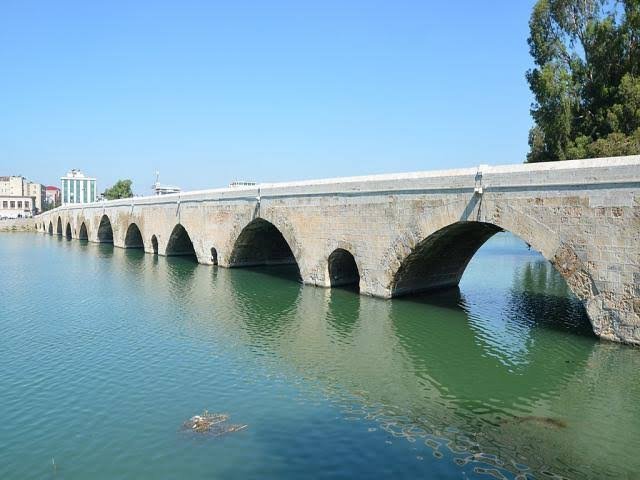
Taşköprü is a living piece of Roman engineering still standing over the Seyhan River. Built in antiquity and used for centuries, it connected trade routes and today is a pedestrian focal point for the old town and riverside promenades. The bridge is both a historical monument and a photographer’s favourite. Wikipedia
What to see
- Walk the entire span to appreciate the stonework and river views.
- Look for reused spolia (architectural fragments) embedded in the bridge — a testament to its long, layered history.
Tips
- Early morning or late afternoon is best to avoid crowds and harsh light.
- Combine with a stroll through Tepebağ (see #4) — the old neighbourhood is steps away.
3. Merkez Park — Adana’s green lung
Why visit
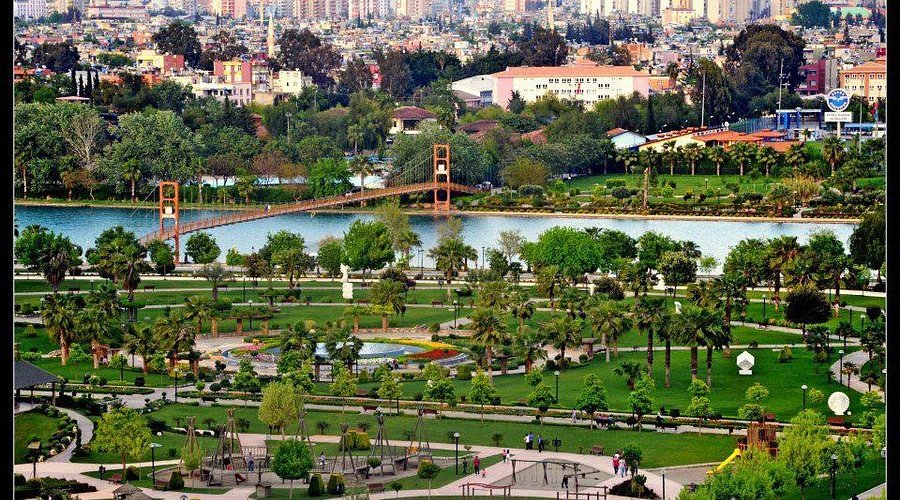
Merkez Park stretches along both banks of the Seyhan River and offers 33 hectares of landscaped paths, playgrounds, sculptures and cafés. It’s a modern urban oasis where locals picnic, jog and watch the river flow — perfect for a relaxed afternoon or evening. Wikipedia
What to see
- Riverfront walking paths and footbridges.
- Sculptures and shaded picnic spots.
- Views of Sabancı Mosque from the park.
Tips
- Rent a bike or simply walk from Sabancı Mosque north along the park; there are plenty of cafés for a break.
4. Tepebağ (Old Town) — traditional Adana architecture
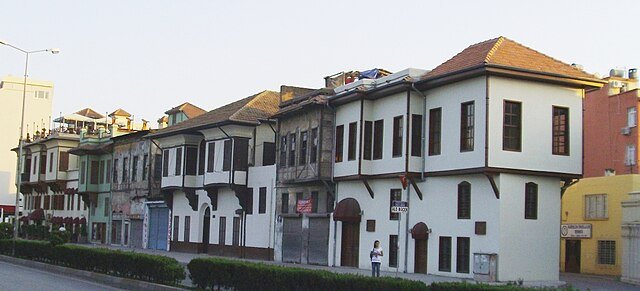
Why visit
Tepebağ is the historic neighbourhood that preserves Adana’s characteristic wooden houses, narrow streets, and tumulus (ancient mound) remains — a quiet contrast to the modern city centre. It’s a window into local life and traditional Cilician architecture. Wikipedia
What to see
- Restored Ottoman-era houses and narrow alleys.
- Small cultural workshops, local cafés and artisan shops.
Tips
- Wear comfortable shoes — the alleys can be steep and uneven.
- Respect private property — many houses are still lived in.
5. Adana Archaeology Museum — Cilicia’s ancient story
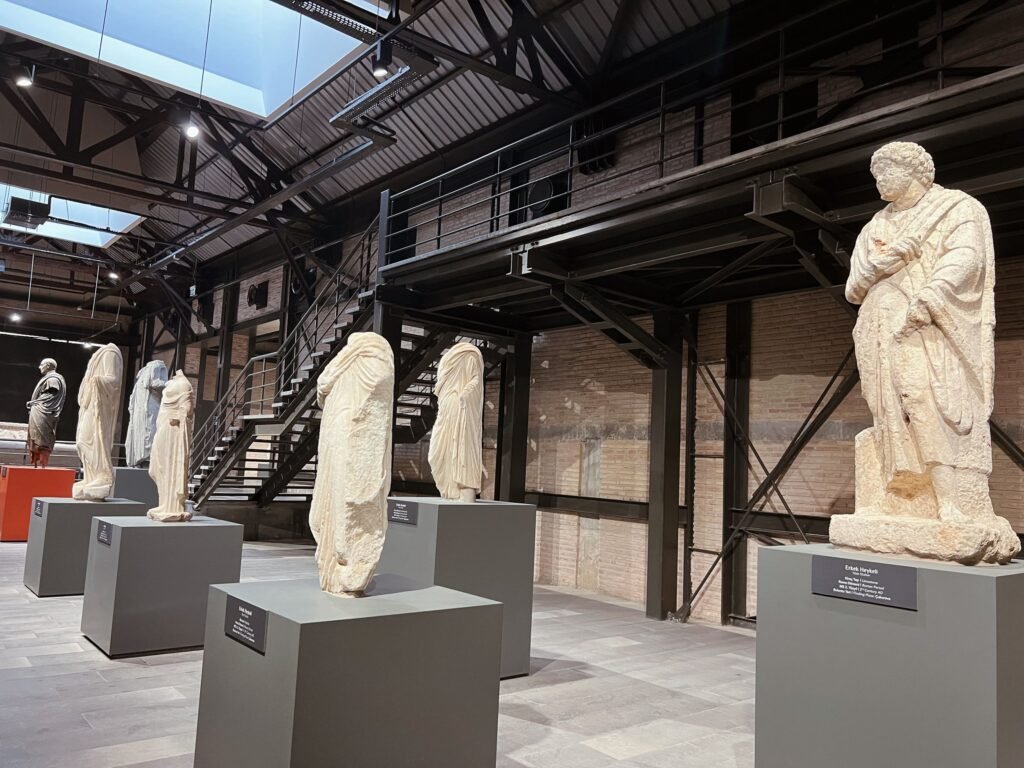
Why visit
For history lovers, Adana Archaeology Museum is among Turkey’s older regional museums and houses artefacts spanning Hittite, Roman, Byzantine and Islamic periods. The museum provides a compact but rich context for the monuments you’ll see across the city and region. turkishmuseums.com
What to see
- Collection of sarcophagi, inscriptions and regional finds.
- Artefacts related to the Ancient Cilician plain.
Tips
- Combine with the Stone Bridge and Tepebağ for a morning of cultural exploration.
6. Büyük Saat (The Great Clock Tower) — city centre landmark
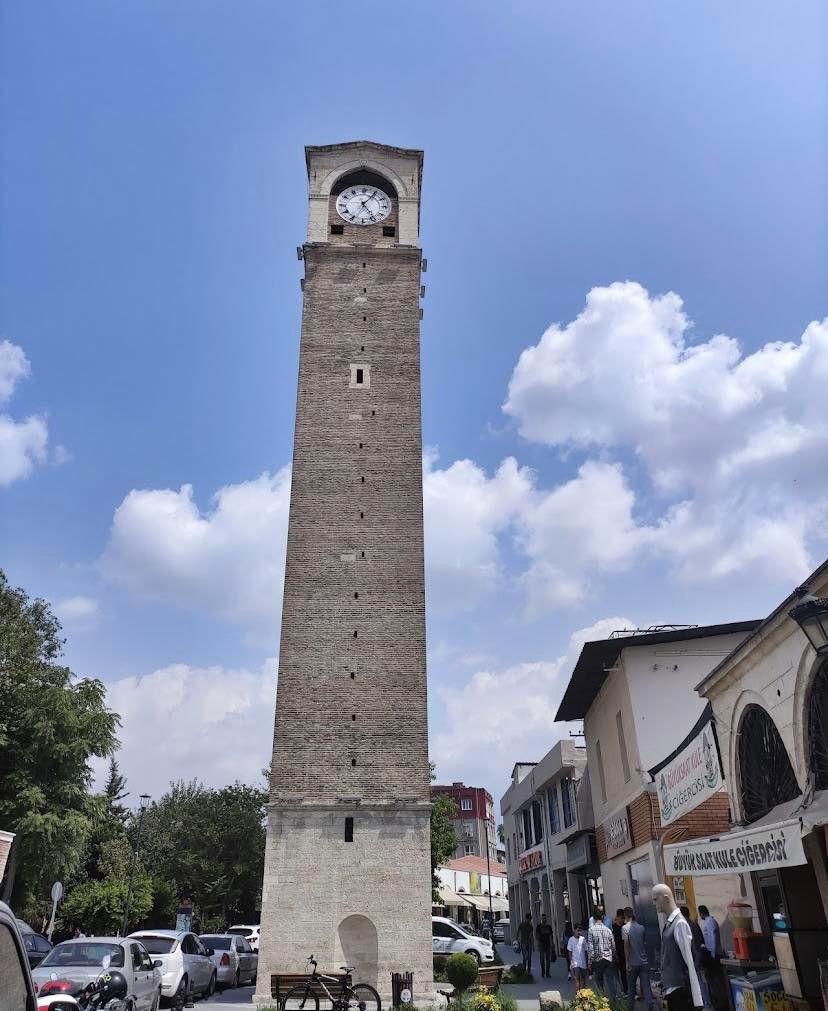
Why visit
Standing tall in Adana’s old market area, Büyük Saat is Turkey’s tallest clock tower and an emblem of the city’s Ottoman-era civic architecture. The surrounding streets are lively and serve as a good base for exploring local shops and eateries.
What to see
- The tower itself, the nearby pedestrian streets and bustling markets.
- Local shops selling textiles, sweets and daily goods.
Tips
- The area is lively in the evening — great for people-watching and street food.
7. Ramazanoğlu Mansion & Mosque complex — Ottoman heritage
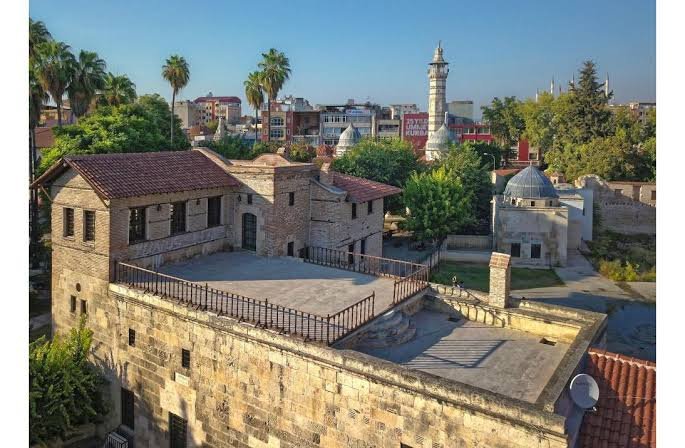
Why visit
This complex gives a glimpse into the local ruling dynasty (Ramazanoğlu) that shaped Adana during the Ottoman era. The mansion and small mosque nearby represent regional art and architecture, often overlooked but rewarding for those interested in local history. https://www.thrillophilia.com/
What to see
- Restored mansion rooms and traditional architectural details.
- Nearby small museums or cultural displays (check opening hours locally).
Tips
- Not all rooms may be open daily; ask at a local tourism desk.
8. Yılankale (Snake Castle) & nearby Çukurova ruins — short trip from the city
Why visit
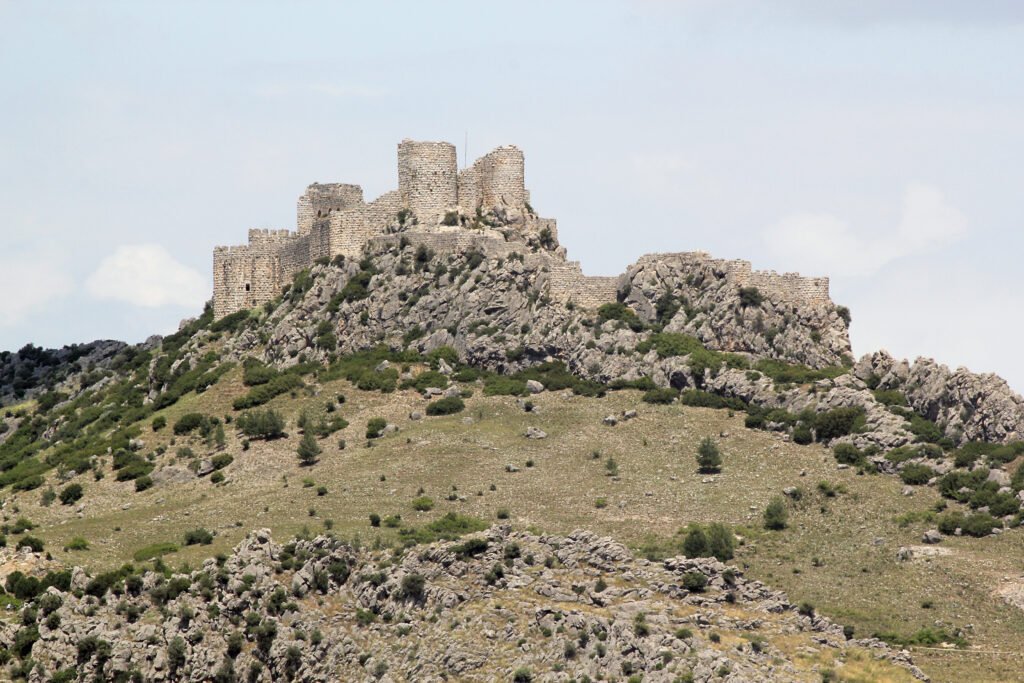
A short drive from Adana lies Yılankale, a medieval Armenian castle perched above the Ceyhan plain. While technically outside the city limits, it’s one of the region’s most atmospheric ruins and ideal for those who want to pair city sightseeing with a historic hillside fortress. https://www.thrillophilia.com/
What to see
- Ramparts, towers and views across the Çukurova plain.
- Nearby small archaeological sites and rural scenery.
Tips
- Rent a car or join a local day trip; combine with Seyhan Dam or local villages.
9. Seyhan Dam & Reservoir — nature and views
Why visit
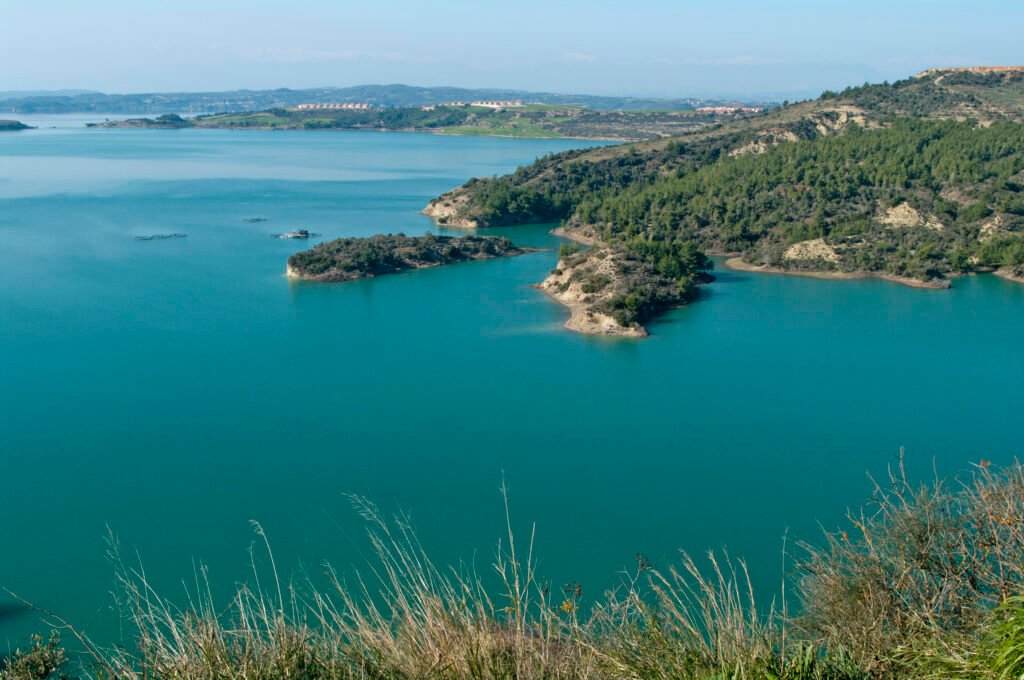
Seyhan Dam is a scenic spot for nature lovers and locals. The reservoir area has picnic spots, walking trails and viewpoints back toward the city. It’s a pleasant escape from the urban heat in summer. https://www.thrillophilia.com/
What to see
- Panoramic views, especially at sunrise/sunset.
- Quiet picnic areas and small cafés outside peak times.
Tips
- Bring water and sun protection; facilities can be limited at off-peak spots.
10. Local food scene — Adana kebabı & street flavours
Why visit
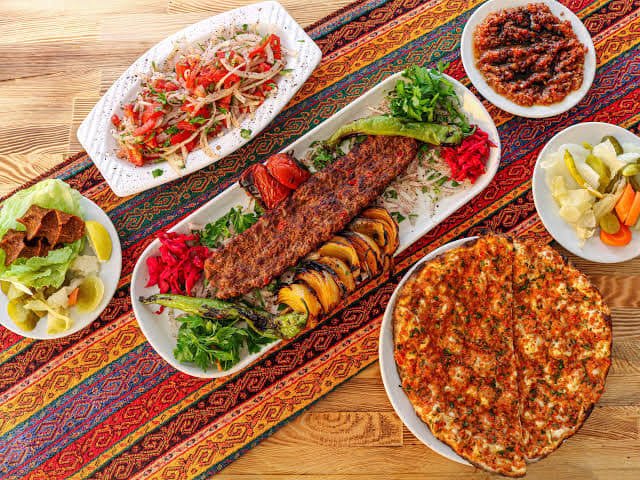
No list of Adana attractions is complete without its food. Adana kebabı — hand-minced, skewered and charcoal-grilled — is culinary pride here. Pair it with şalgam (fermented turnip juice) and künefe (a sweet cheese pastry) for the full experience. Exploring local kebap houses and markets is a top cultural activity in itself. Wikipedia
Where to eat
- Traditional lokantas and Kebapçı (kebab restaurants) dotted across the city centre and riverside.
- Small cafés in Tepebağ and market areas for desserts and tea.
Tips
- Ask locals for their favourite kebab house — often the best places are family-run and modest.
- If you’re vegetarian, look for local mezze, pide and fresh salads.
Suggested 2-Day Itinerary (optimised for first-time visitors)
Day 1 — Heart of Adana (culture + river)
- Morning: Start at Sabancı Merkez Mosque, explore the prayer hall and grounds (photo ops). Wikipedia
- Late morning: Walk to Taşköprü, cross the bridge and stroll the riverside. Wikipedia
- Lunch: Try a classic Adana kebabı at a nearby kebapçı (ask for a local favourite). Wikipedia
- Afternoon: Explore Tepebağ old town; relax in Merkez Park. Wikipedia
- Evening: Dinner in the Büyük Saat area, wander the pedestrian streets.
Day 2 — History & day trips
- Morning: Visit Adana Archaeology Museum and the Atatürk Museum for historical context. Wikipedia
- Late morning / early afternoon: Drive or join a tour to Yılankale or Seyhan Dam (choose depending on interest). https://www.thrillophilia.com/
- Evening: Return for a riverside dinner — finish with künefe for dessert.
Practical travel tips
- Getting there: Adana has an international airport (Adana Şakirpaşa) with domestic and some international flights. The city is also well connected by train and bus.
- Local transport: Taxis are abundant; minibuses (dolmuş) and buses cover city routes. Walking is pleasant along the river.
- Safety: Adana is generally safe for tourists; usual precautions (watch bags in crowded markets, avoid unlit alleys late at night) apply.
- Money & tipping: Carry some cash in TRY for markets and small cafés. Tipping 5–10% in restaurants is common.
- Opening hours: Museums and historical sites often close midday or have shorter hours; check local listings before visiting.
Frequently Asked Questions (FAQs)
Q: How many days do I need in Adana?
A: 1–2 full days covers the city highlights (Sabancı Mosque, Taşköprü, Merkez Park, local museums) with additional day trips available if you want Yılankale or regional ruins.
Q: Is Adana good for families?
A: Yes — Merkez Park is family-friendly, museums are educational, and many restaurants welcome children.
Q: Can I visit the mosque if I’m not Muslim?
A: Yes — visitors are welcome outside prayer times. Dress modestly and follow mosque rules (remove shoes, be quiet, avoid visiting during Friday prayers).
Q: What should I avoid?
A: Avoid political demonstrations and follow local guidance for any large events. Use common urban safety sense at night in less busy areas.
Sources & further reading
- Sabancı Merkez Mosque — Wikipedia / Sabancı Vakfı details. Wikipedia
- Taşköprü (Stone Bridge) — historical overview and technical details. Wikipedia
- Merkez Park — park size and history. Wikipedia
- Adana Archaeology Museum — museum background. turkishmuseums.com
- Adana kebabı — origin and cultural notes. Wikipedia
Final tips for travellers
- Pack light and bring breathable clothes for hot summers; layer in spring/autumn.
- Ask locals for kebab and dessert recommendations — Adana’s best eateries are often family-run and unassuming.
- Take the riverwalk at dusk — the city’s old and new sides meet beautifully when lights come on.