
Aragón, located in northeastern Spain, is a land of rugged mountains, desert canyons, medieval citadels, Mudéjar towers, Romanesque monasteries and vibrant cities. Unlike many Spanish regions overflowing with tourists, Aragón remains one of the best-kept secrets for travelers who want authentic culture, breathtaking landscapes and historical depth.
From the Pyrenean peaks to the Ebro basin, Aragón’s attractions offer something for every traveler. Below is the ultimate guide to the Top 10 Tourist Attractions in Aragón — complete with descriptions, travel tips and SEO-ready formatting.
1. Palace of La Aljafería (Zaragoza)

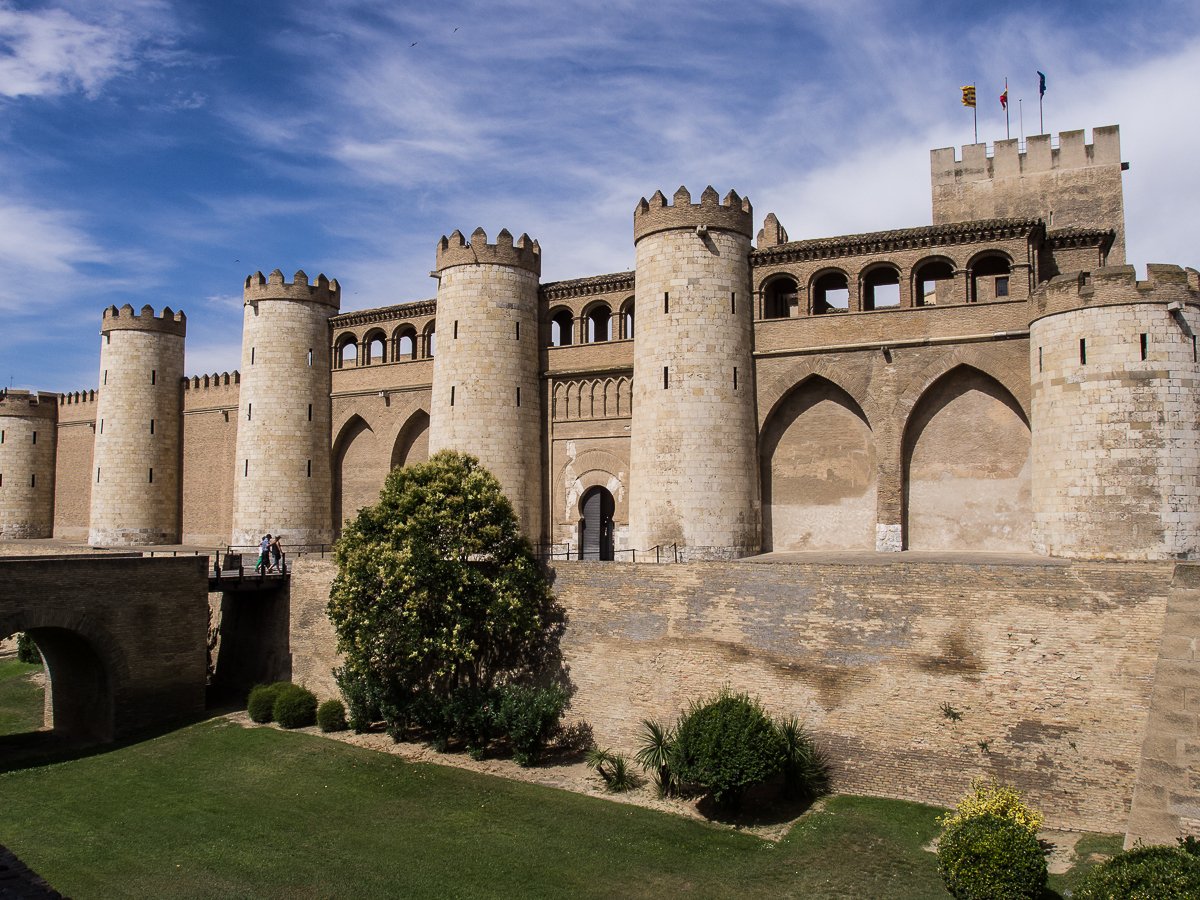
The Aljafería Palace is the jewel of Zaragoza and one of Spain’s most remarkable Islamic monuments. Built in the 11th century during the Taifa kingdom period, it showcases a mix of Islamic, Mudéjar, and later Christian Gothic architectural styles.
Why It’s a Must-Visit
Intricate Islamic stucco carvings
Peaceful central courtyard with orange trees
Historical mix of Muslim, Jewish and Christian heritage
Seat of the Aragonese Parliament today
Top Things to See
Golden Hall (Salón Dorado)
Troubadour Tower
Arab arches and ornamental motifs
Travel Tips
Book tickets ahead during weekends.
Guided tours significantly enrich the experience.
Visit early morning for the best photography.
2. Basilica of Our Lady of the Pillar (Zaragoza)

Standing beside the Ebro River, the Basilica del Pilar is one of Spain’s largest and most beloved churches. According to tradition, it marks the spot where the Virgin Mary appeared to Apostle James.
Why You Will Love It
A majestic Baroque masterpiece
Frescoes painted by Francisco de Goya
Panoramic city views from the north tower
Located in the largest pedestrian square in Spain
Don’t Miss
The Holy Chapel of the Pillar
Goya’s dome frescoes
A walk across the Ebro riverfront at sunset
Insider Tip
Pair your visit with a tapas session at El Tubo, Zaragoza’s famous food district just 8 minutes away on foot.
3. Ordesa y Monte Perdido National Park

Aragón’s most dramatic natural wonder — and one of Europe’s finest. Located in the Huesca Pyrenees, Ordesa National Park is a UNESCO Biosphere Reserve filled with deep glacial valleys, towering cliffs, lush forests and waterfalls.
Highlights
Ordesa Valley — the classic route
Monte Perdido — 3rd-highest limestone mountain in Europe
Waterfalls: Gradas de Soaso, Cola de Caballo
Wildlife: vultures, marmots, bearded lammergeiers
Best For
Hiking & trekking
Photography
Adventure enthusiasts
Travel Tips
Parking in Ordesa is regulated in high season; shuttles run from Torla.
Wear proper mountain gear — weather changes rapidly.
Arrive early, especially in summer.
4. Albarracín

Often listed as one of the most beautiful villages in Spain, Albarracín in Teruel province is a fairytale-like medieval town wrapped in fortress walls.
Why It’s Unmissable
Pink-hued houses and narrow cobbled lanes
Dramatic clifftop setting overlooking the Guadalaviar River
A perfectly preserved medieval quarter
Peaceful atmosphere — especially at dawn and dusk
What to See
Albarracín Cathedral
Andador Tower & city walls
Scenic viewpoints around the old town
Insider Tip
Consider staying overnight — the beauty of Albarracín intensifies when day-trip crowds leave.
5. Loarre Castle (Castillo de Loarre)

Dominating the plains of Huesca, Loarre Castle is one of Europe’s best-preserved Romanesque fortresses. Built in the 11th century, it offers a cinematic silhouette — no wonder it has been used in several films.
Reasons to Visit
Dramatic hilltop location with sweeping views
Perfectly preserved Romanesque church and towers
Exceptional photography opportunities
Top Sites Inside
Queen’s Tower
Loarre Church
Battlements and defensive walls
Travel Tips
Wear comfortable shoes; there’s some climbing involved.
Guided tours explain the military and religious history brilliantly.
6. Monasterio de Piedra & Historic Waterfall Park

A unique attraction blending a Cistercian monastery with a lush natural park full of waterfalls, caves and turquoise pools — a refreshing escape in otherwise dry Aragón.
Why Visitors Love It
Dozens of waterfalls, including the spectacular Cola de Caballo
A cool gorge walk through tunnels and caverns
Reconstructed monastery rooms and a museum
Ideal For
Families
Nature lovers
Anyone escaping summer heat
Practical Information
Entrance fees apply; allow 2–4 hours for the park + monastery.
Go early in the morning to avoid crowds.
7. Mallos de Riglos

The Mallos de Riglos are enormous orange-red rock formations rising vertically from the Huesca countryside — a paradise for climbers, hikers, and birdwatchers.
What Makes Them Special
300-meter vertical walls
Frequent sightings of griffon vultures
Vibrant Riglos village beneath the cliffs
Activities
Via ferrata
Rock climbing
Short and long hiking routes (Mirador de los Mallos)
Best Tip
Even if you’re not climbing, just standing at the viewpoint is breathtaking.
8. Teruel & Its UNESCO Mudéjar Architecture
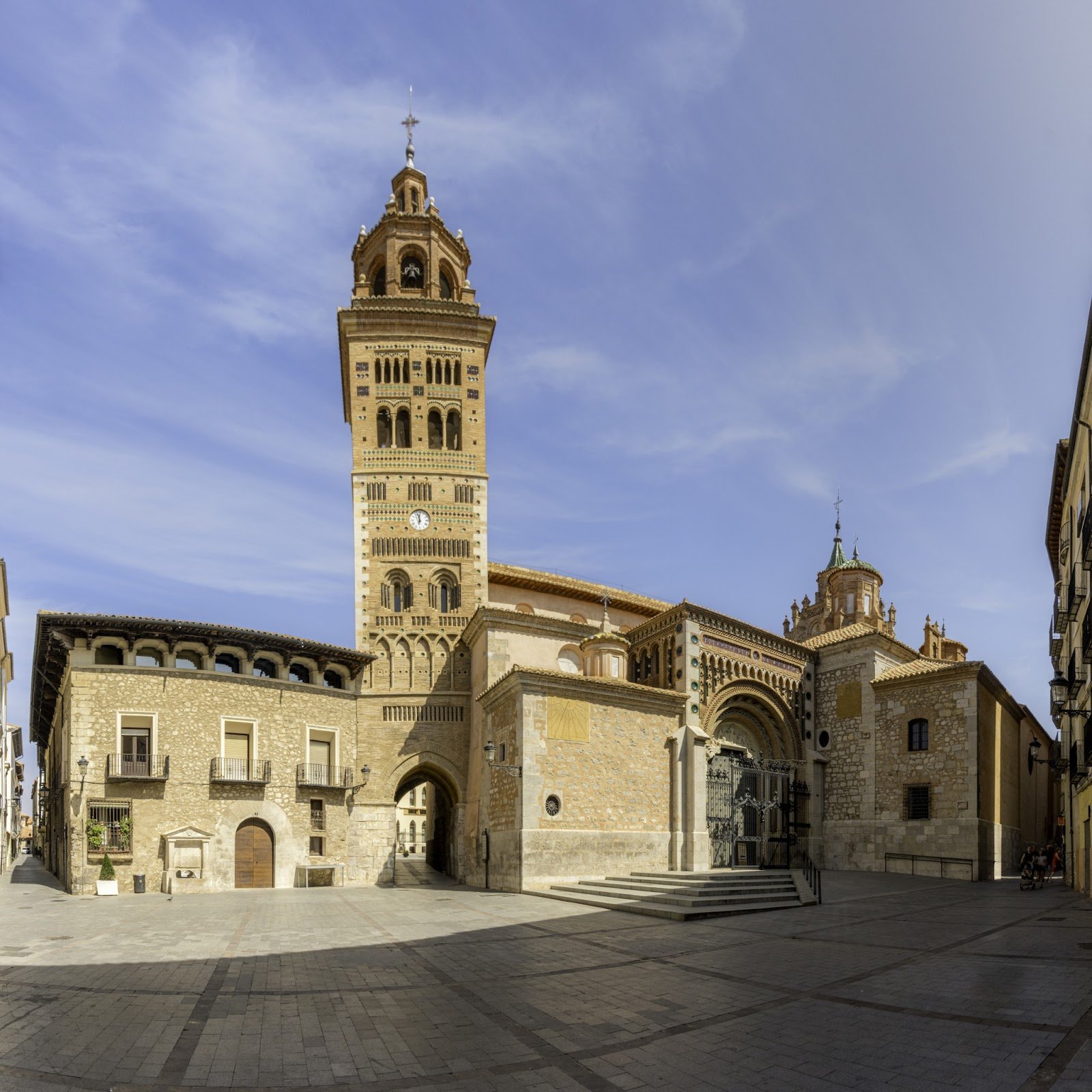
Teruel is often called Spain’s Mudéjar capital, known for its stunning mix of Islamic and Gothic styles. Its Mudéjar towers and cathedral are UNESCO World Heritage Sites.
Top Attractions
El Salvador Tower
Cathedral of Santa María de Mediavilla
St. Martin Tower
Plaza del Torico
Why Visit Teruel
Rich Mudéjar architectural heritage
Lively historic center
Famous Lovers of Teruel mausoleum — a local Romeo & Juliet tale
Insider Tip
Visit during the Las Bodas de Isabel festival in February — a medieval reenactment of the Lovers’ legend.
9. Dinópolis (Teruel)

A family-friendly attraction that combines a natural history museum and theme park celebrating the ancient dinosaurs of the region.
What You’ll Find
Life-size dinosaur replicas
Fossils discovered in Teruel
Interactive exhibits for children
Shows, 4D experiences and themed zones
Who It’s For
Perfect for families, school groups, and dinosaur fans of all ages.
Travel Tips
Buy tickets early during weekends or school holidays.
Combine with a walking tour of Teruel afterward.
10. Alquézar & the Aragón Castle Route

Aragón is castle country. Beyond Loarre, the region’s landscape is filled with fortified towns such as Alquézar, Peracense, Sos del Rey Católico, and Uncastillo.
Why Follow the Castle Route
Dramatic scenery around the Sierra de Guara
Medieval bridges, city walls and fortress towers
Charming rural villages with authentic food and wine
Alquézar Highlights
Collegiate Church of Santa María
Canyoning routes in the Vero River Canyon
Limestone cliffs and viewpoints
Tip
Rent a car to explore multiple castle towns at your own pace.
Practical Tips for Planning Your Aragón Trip
Best Time to Visit
Spring (April–June): Perfect temperatures and green landscapes.
Autumn (Sept–Oct): Great weather without the summer crowds.
Summer: Ideal for mountain hikes but hot in lowlands.
Winter: Great for Pyrenees skiing.
Getting Around
Zaragoza is the region’s main transport hub (high-speed trains).
Car rental is the best option for reaching rural areas and national parks.
Frequent buses connect major towns but not remote attractions.
Local Foods You Must Try
Ternasco de Aragón (lamb dish)
Borrajas (local vegetable)
Jamón de Teruel
Chilindrón-style stews
Wines from Somontano and Cariñena
3-Day Sample Itinerary for Aragón
Day 1: Zaragoza
Basilica del Pilar
Aljafería Palace
La Seo Cathedral
Tapas in El Tubo
Day 2: Albarracín & Teruel
Morning in Albarracín
Afternoon in Teruel exploring Mudéjar landmarks
Optional: Visit Dinópolis
Day 3: Huesca Region
Loarre Castle
Mallos de Riglos viewpoint
Optional: Drive north to Ordesa for an evening hike
Conclusion
Aragón offers one of the richest cultural and natural experiences in Spain — yet remains refreshingly uncrowded compared to Madrid, Barcelona or Andalusia. From the Pyrenean heights of Ordesa to the medieval alleys of Albarracín and the monumental architecture of Zaragoza and Teruel, the region is a paradise for explorers seeking beauty, history and authenticity.
Whether you enjoy hiking, architecture, gastronomy or medieval heritage, the Top 10 Tourist Attractions in Aragón are the perfect starting point for discovering this stunning region.