Brazil is a country that doesn’t do “small.” It’s home to the world’s largest tropical rainforest, some of the planet’s most powerful waterfalls, cityscapes framed by granite peaks, and beaches that seem to stretch forever. Whether you’re planning a first trip or returning for a deeper dive, these are the top tourist attractions in Brazil that belong on your itinerary—packed with practical tips, best times to visit, and what to do once you get there.
Quick Brazil Trip Planning Snapshot
- Best overall time to visit Brazil: May to September (generally drier in many regions; cooler in the south and southeast)
- Peak season: December to March (summer, school holidays, Carnival—higher prices, bigger crowds)
- Best destinations for nature lovers: Amazon, Pantanal, Iguazu Falls, Lençóis Maranhenses
- Best for beaches & city life: Rio de Janeiro, Florianópolis, Salvador, Fernando de Noronha
- Best for culture & architecture: Salvador, Brasília, Ouro Preto (bonus pick)
1) Christ the Redeemer (Cristo Redentor), Rio de Janeiro
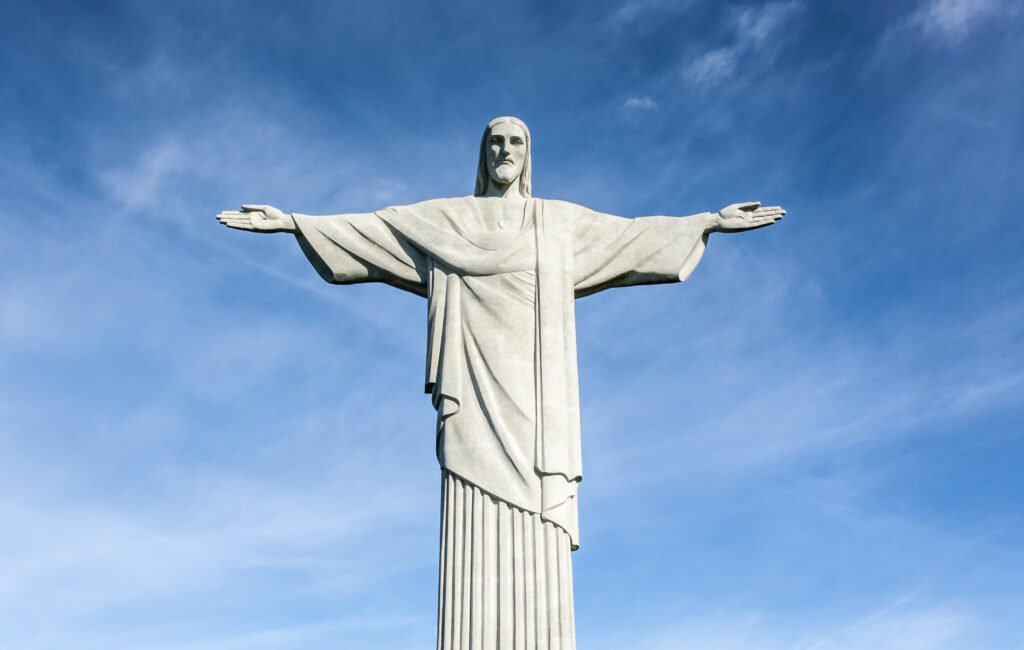
If you’ve ever seen a postcard of Brazil, chances are it featured Christ the Redeemer, the colossal statue perched atop Corcovado Mountain in Tijuca National Park. More than a symbol of Rio, this is one of the most recognizable landmarks on Earth—and the panoramic views are unreal.
What to do here
- Ride the Corcovado Train through lush Atlantic Forest to the summit.
- Take in sweeping views of Sugarloaf Mountain, Guanabara Bay, and Copacabana/Ipanema.
- Visit early for clearer skies and fewer crowds.
Best time to visit
- Morning is usually best for visibility.
- Avoid weekends and holidays if possible.
Local tip
Bring a light jacket even in summer—winds at the top can be surprisingly cool.
2) Sugarloaf Mountain (Pão de Açúcar), Rio de Janeiro
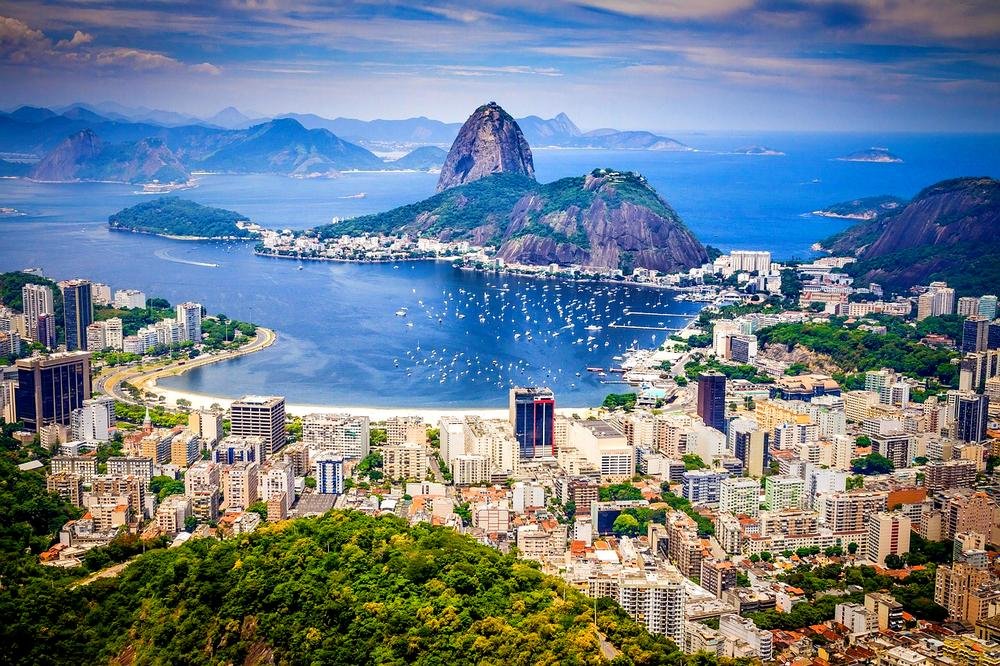
Sugarloaf Mountain is Rio’s other “must-see” viewpoint, reached by an iconic cable car route with two stages. The views here feel more cinematic than Corcovado because you’re looking back at the statue, the beaches, and the city wrapping around the bay.
Highlights
- Cable car ride from Praia Vermelha to Morro da Urca, then to Sugarloaf’s summit.
- Sunset is legendary—watch Rio glow golden.
- Great for photos: the skyline, boats in the bay, and dramatic granite peaks.
Best time to visit
- Late afternoon for sunset.
- If clouds cover Corcovado, Sugarloaf sometimes remains clear—do both on different days if you can.
Safety note
Stick to well-trafficked areas and use official transport or reputable ride-hailing services.
3) Iguazu Falls (Cataratas do Iguaçu), Paraná
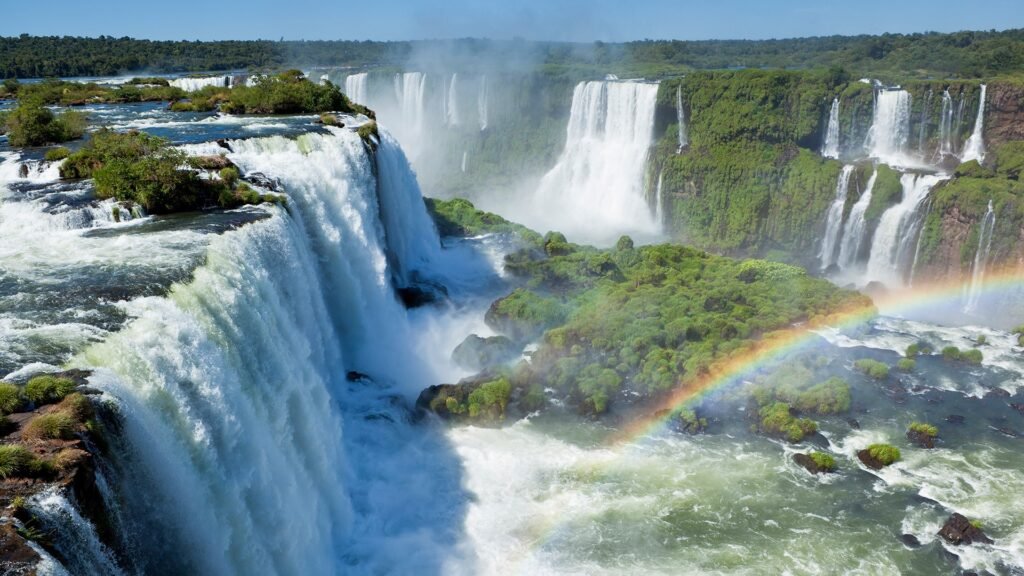
Iguazu Falls is one of the most awe-inspiring natural attractions in the world: a massive complex of hundreds of cascades thundering through rainforest on the Brazil–Argentina border. The Brazilian side offers big-picture, panoramic views—perfect for understanding the scale.
Don’t miss
- The walkway to Devil’s Throat (Garganta do Diabo)—you’ll feel the mist and hear the roar.
- Wildlife spotting: coatis, butterflies, toucans, and more.
- Add-on experiences: boat rides, helicopter tours (if operating), and guided hikes.
Best time to visit
- April–June and August–October for pleasant weather and manageable crowds.
- In wetter months, falls can be even more dramatic—just be ready for heavy mist.
Pro tip
If your schedule allows, visit both sides (Brazil + Argentina). Each offers a different perspective.
4) The Amazon Rainforest (Amazônia), Manaus & Beyond
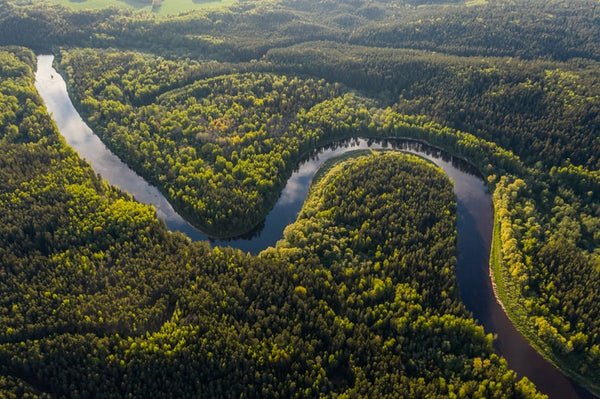
No list of top tourist attractions in Brazil is complete without the Amazon—a vast, living ecosystem that feels like another world. Most travelers start in Manaus, a gateway city where river cruises and jungle lodges depart for immersive rainforest experiences.
What to experience
- River excursions to spot pink river dolphins, caimans, and birds.
- Night safaris to see nocturnal wildlife.
- Indigenous community visits (choose ethical, community-led options).
- The Meeting of the Waters near Manaus, where two rivers run side by side without mixing immediately.
Best time to visit
- Dry season (roughly June–November): easier hiking and fewer mosquitoes.
- Wet season (roughly December–May): better for canoeing deep into flooded forests.
Responsible travel reminder
Choose operators that prioritize conservation, fair wages, and respectful cultural exchange.
5) Pantanal Wetlands (Mato Grosso & Mato Grosso do Sul)
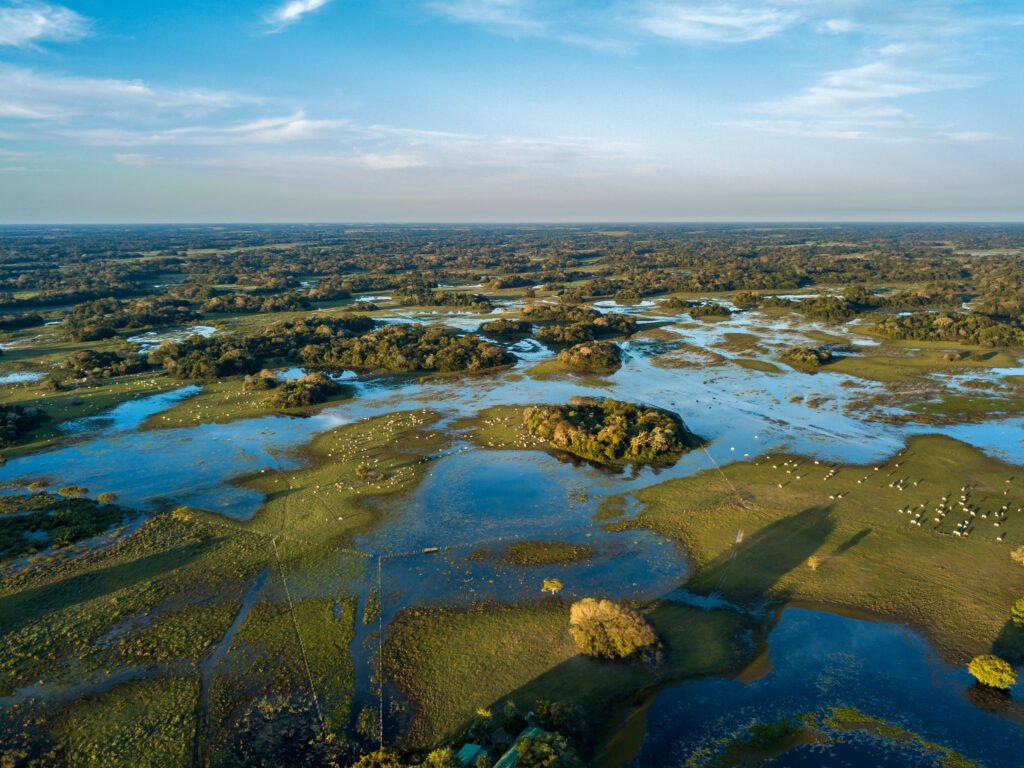
If your dream is to see wildlife—especially jaguars—the Pantanal is Brazil’s top destination. It’s one of the most biodiverse regions on the planet and often offers better wildlife viewing than dense rainforest environments.
Wildlife you might spot
- Jaguars (best chances in certain river corridors)
- Capybaras, giant otters, caimans
- Hyacinth macaws, herons, and endless bird species
Best time to visit
- Dry season (July–October): best for concentrated wildlife sightings.
- June and November can be great shoulder months depending on rainfall.
How to visit
- Stay at a fazenda (ranch lodge) or eco-lodge with guided safaris and river trips.
6) Lençóis Maranhenses National Park, Maranhão
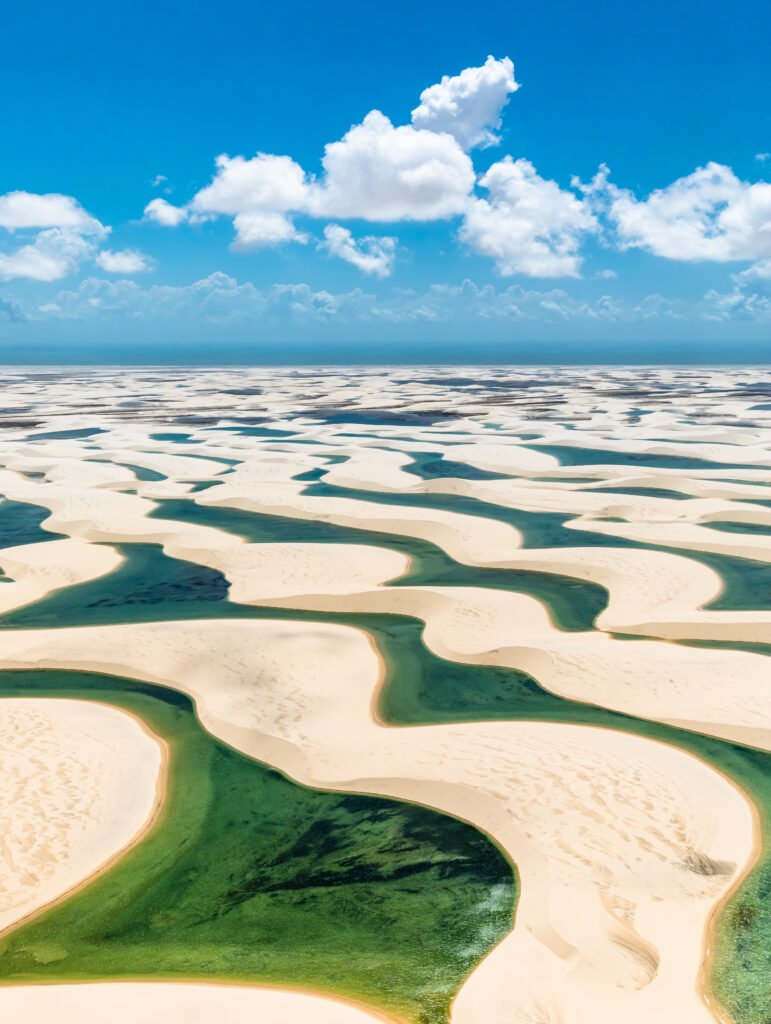
Imagine rolling dunes of brilliant white sand filled with freshwater lagoons that appear after rains—this is Lençóis Maranhenses, one of Brazil’s most surreal landscapes. It doesn’t look real until you’re standing on a dune crest looking over shimmering pools.
What to do
- Swim in seasonal lagoons like Lagoa Azul and Lagoa Bonita (availability varies).
- Take 4×4 excursions from Barreirinhas, Atins, or Santo Amaro.
- Watch the sunset over the dunes—pure magic.
Best time to visit
- Typically June–September, when lagoons are most full after the rainy season.
Travel tip
This area is remote. Plan transportation carefully and book reputable local guides.
7) Salvador’s Historic Center (Pelourinho), Bahia
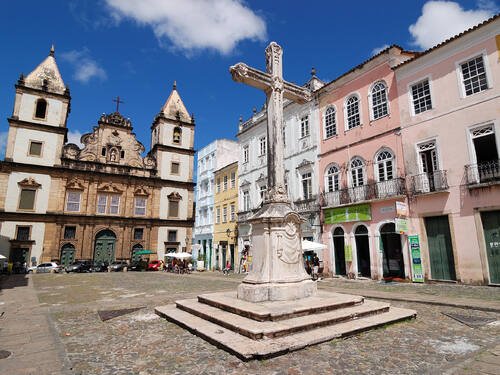
For culture, color, music, and Afro-Brazilian heritage, Salvador is a must. The historic heart, Pelourinho, is famous for colonial architecture, cobblestone streets, churches, and an energy that feels uniquely Bahia.
What to do in Salvador
- Explore Pelourinho’s historic squares and vibrant facades.
- Visit stunning baroque churches (many are covered in gold leaf inside).
- Experience capoeira performances and live percussion rhythms.
- Try Bahian cuisine: acarajé, moqueca, and cocada.
Best time to visit
- December–March for festivals and summer vibes (book early).
- April–June is often less crowded but still lively.
Safety note
Explore with awareness and prefer guided walking tours at night.
8) Copacabana & Ipanema Beaches, Rio de Janeiro
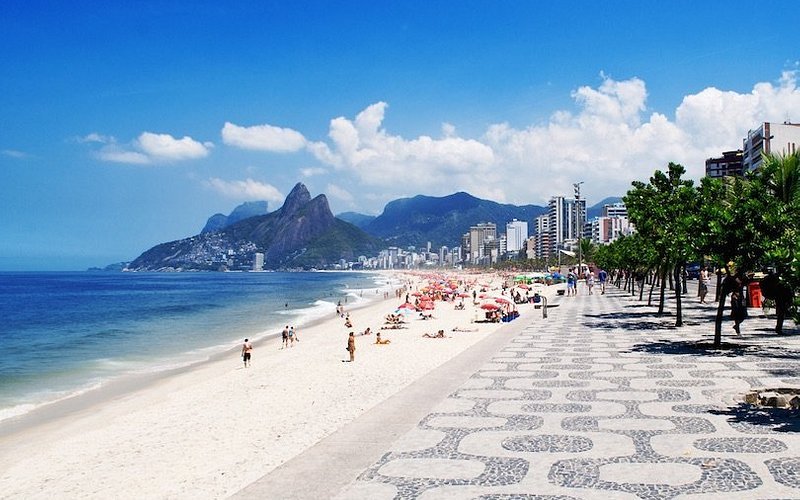
Yes, they’re famous. Yes, they’re worth it. Copacabana and Ipanema are more than beaches—they’re a lifestyle: sunrise jogs, beach volleyball, kiosks serving coconut water, and a front-row seat to Rio’s social rhythm.
Things to do
- Walk the Copacabana promenade (iconic wave pattern).
- Catch sunset from Arpoador Rock near Ipanema.
- Try classic beach snacks: grilled cheese on a stick, açaí bowls, and fresh juices.
- People-watch and enjoy the atmosphere (it’s a cultural experience).
Best time to visit
- Morning for calmer beaches.
- Late afternoon for sunset and cooler temps.
9) Fernando de Noronha (Pernambuco)
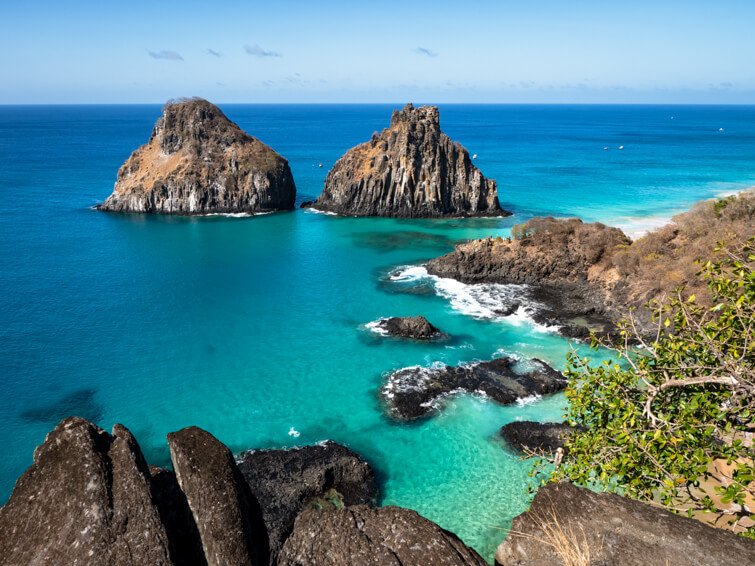
If you want Brazil’s most spectacular island escape, Fernando de Noronha delivers: turquoise water, dramatic cliffs, and world-class snorkeling and diving. It’s also heavily protected, which helps keep nature pristine.
What makes it special
- Incredible underwater visibility and marine life.
- Iconic viewpoints and beaches (many require timed access).
- Conservation-focused tourism (visitor numbers are controlled).
Best time to visit
- Often August–November for clearer seas and strong visibility (conditions can vary).
- For surfing, other months can be better depending on swells.
Important planning note
Costs are higher here than mainland Brazil, and permits/taxes may apply. Book flights and stays early.
10) Brasília (Modernist Architecture & UNESCO City)
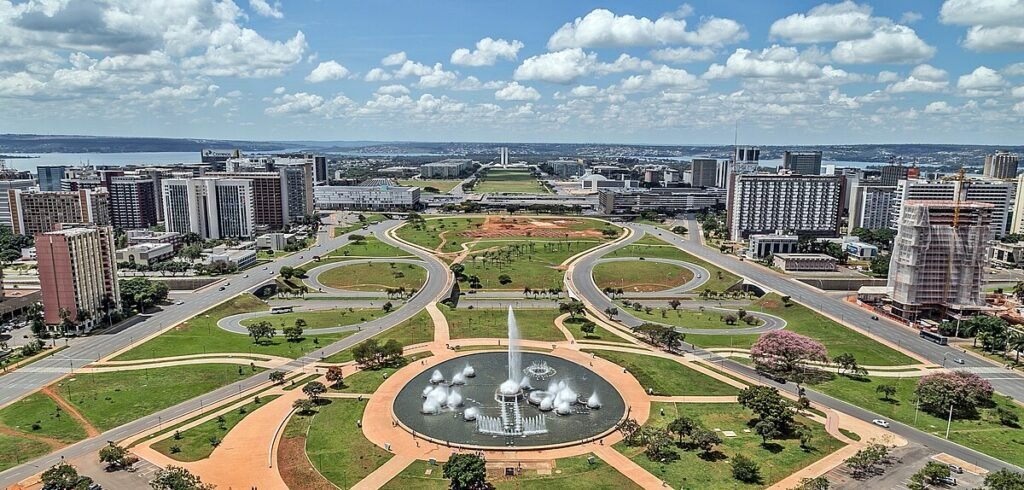
Brazil isn’t only beaches and rainforests—Brasília, the purpose-built capital, is a masterpiece of modernist urban planning and architecture. It’s a fascinating stop for travelers who love design, history, and ambitious city planning.
What to see
- Landmarks designed by architect Oscar Niemeyer
- Monumental civic buildings and sweeping plazas
- Unique city layout (the famous airplane shape when viewed from above)
Best time to visit
- Dry season (May–September) tends to be more comfortable.
Who will love it
Architecture fans, photographers, and travelers looking for something different from the typical Brazil route.
Bonus Attractions (If You Have More Time)
If your trip is longer than 10–14 days, add one or two of these:
- Florianópolis (Santa Catarina) – beach culture + surfing + nightlife
- Ouro Preto (Minas Gerais) – colonial-era architecture and history
- Chapada Diamantina (Bahia) – waterfalls, caves, hikes, and valleys
- Ilha Grande (Rio de Janeiro state) – car-free island trails and beaches
Sample Itineraries (Easy to Copy)
10-Day Classic Brazil Highlights
- Days 1–4: Rio (Christ the Redeemer, Sugarloaf, beaches)
- Days 5–6: Iguazu Falls
- Days 7–10: Salvador (culture + food) or Amazon (nature immersion)
14-Day Nature-Lover Route
- Days 1–3: Rio
- Days 4–6: Iguazu Falls
- Days 7–10: Pantanal
- Days 11–14: Amazon (Manaus + lodge/cruise)
7-Day “One Region” Trip (Less Flying)
- Rio + nearby islands/coast (Ipanema/Copacabana + day trips)
- or Northeast focus: Salvador + beach towns nearby
Travel Tips for Brazil (Practical + Realistic)
Money & payments
Cards are widely accepted in cities, but keep some cash for smaller businesses and markets.
Language
Portuguese is the main language. Download offline translation and learn basics like:
- “Olá” (hello)
- “Por favor” (please)
- “Obrigado/Obrigada” (thank you)
Safety basics
Brazil is welcoming, but use common sense:
- Don’t flash expensive items.
- Use ride-hailing at night in major cities.
- Stay in well-reviewed areas and read local advice.
Connectivity
Buy a local SIM/eSIM if you’ll travel between regions—coverage varies outside major hubs.
Frequently Asked Questions
What is Brazil most famous for tourists?
Brazil is most famous for Rio de Janeiro’s landmarks, Iguazu Falls, the Amazon, and its beaches and festivals—but it also shines for wildlife (Pantanal), unique landscapes (Lençóis Maranhenses), and culture (Salvador).
Is Brazil good for family travel?
Yes—especially in places like Iguazu, Rio’s main attractions (with planning), Florianópolis, and some beach regions. For Amazon and Pantanal trips, choose family-friendly lodges and guides.
What is the best month to visit Brazil?
It depends on where you’re going, but many travelers find May to September a sweet spot for weather and crowds. For the Amazon and Lençóis Maranhenses, timing matters more due to rainfall patterns.
Final Thoughts: The Best Tourist Attractions in Brazil
Brazil rewards travelers who balance iconic highlights with at least one nature-heavy destination. If it’s your first trip, pair Rio + Iguazu with either Salvador (culture) or the Amazon/Pantanal (wildlife). If you’ve been before, go for the “wow factor” landscapes like Lençóis Maranhenses or the protected paradise of Fernando de Noronha.